







A round-up of news and oddities from left field
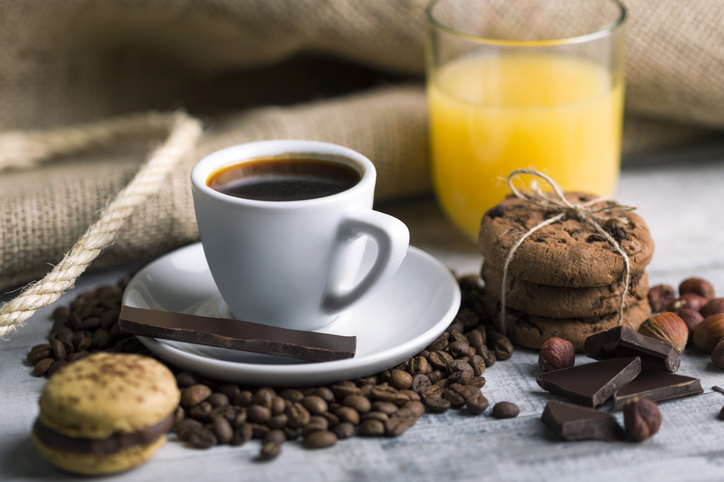
The Dorsal View aims to be a light dessert after the news, opinion, and clinical content in the Medical Independent, so this time we will focus on surprising new research into the effects of some of the lovely treats we eat and drink (chocolate and coffee fans, stay tuned).
First, something for the gym members in our readership, courtesy of the folks at the Faculty of Sports and Exercise Science at the University of Malaya. A study from researchers at the university was published recently in Frontiers in Physiology. In it, 23 healthy men aged in their mid-20s who were all regular gym attenders, participated.
The men had to fast for 10 hours before attempting as many reps (repetitive exercises) on their legs as possible. While they were doing their reps, the men were exposed to the smell of different kinds of chocolate. The type of chocolate they were exposed to came in three forms – liquefied milk chocolate (60 per cent cocoa); liquid dark chocolate (90 per cent cocoa); and water as a control. The resistance exercise of choice was leg extensions – for the non-gym-members like myself, this means repeatedly straightening the lower legs to lift a weight.
Performance was measured before and during the physical exertion and participants also rated their hunger levels at various stages of the experiment.
As you might suspect, the different types of chocolate had their own distinct effects. Smelling dark chocolate while exercising resulted in less desire to eat and lower hunger level overall. The participants’ appetites were not overly-stimulated by milk chocolate either, although they rated the smell as more pleasant.
Senior author Dr Mohamed Nashrudin bin Naharudin of the University of Malaya explained: “Sniffing a 90 per cent dark chocolate odour added about 18 more repetitions to participants’ leg extensions, while a 60 per cent milk chocolate odour added about nine repetitions compared to the water control.”
“The dark chocolate scent serves as a learned cue for a rich, bitter, and highly satiating food, which essentially tricks the system into an anticipatory state of fullness. Conversely, the sweeter milk chocolate scent acts more like a hedonic reward cue, enhancing training volume by creating a highly pleasant sensory environment rather than by shifting basic metabolic hunger signals.”
Before you run off to the gym with a chocolate bar strapped to your leg weights, it should be noted that there were many limitations to the study, including small size, it included only fit young men, and blood hormones or neural activity were not measured. Still, with further research, it may lead us down the road toward some extra appetite-control strategies for weight management.
And what goes better with chocolate than coffee, or vice versa. Closer to home, researchers from Queen Mary University of London looked at the potential anti-ageing properties of coffee, in a study published recently in Microbial Cell.
The team at the University’s Cellular Ageing and Senescence Laboratory found data to suggest coffee can awaken an evolutionary cellular system associated with ageing and linked to DNA repair, stress, and growth. The team followed on from their previous research suggesting that caffeine may have a risk-reduction effect on age-related illnesses.
In their lab work, the team used fission yeast, a single-cell organism that has many biological properties in common with human cells, to the point where it is sometimes dubbed the ‘mini-human’.
Previous work by the same group showed caffeine can aid cell longevity via the Target of Rapamycin (TOR) growth receptor. TOR has been part of an ancient growth regulator in living organisms for hundreds of millions of years.
To their surprise, the researchers also found that caffeine influences another major cellular system called AMP-activated protein kinase (AMPK), which itself is also linked to metformin.
Dr John-Patrick Alao, study lead, commented: “These findings help explain why caffeine might be beneficial for health and longevity and they open up exciting possibilities for future research into how we might trigger these effects more directly with diet, lifestyle, or new medicines.”
Senior author Dr Charalampos Rallis added: “When your cells are low on energy, AMPK kicks in to help them cope, and our results show that caffeine helps flip that switch.”
I hope we’ve given you all something to bear in mind during the coffee breaks at the conferences you’re attending this autumn.





Leave a Reply
You must be logged in to post a comment.