







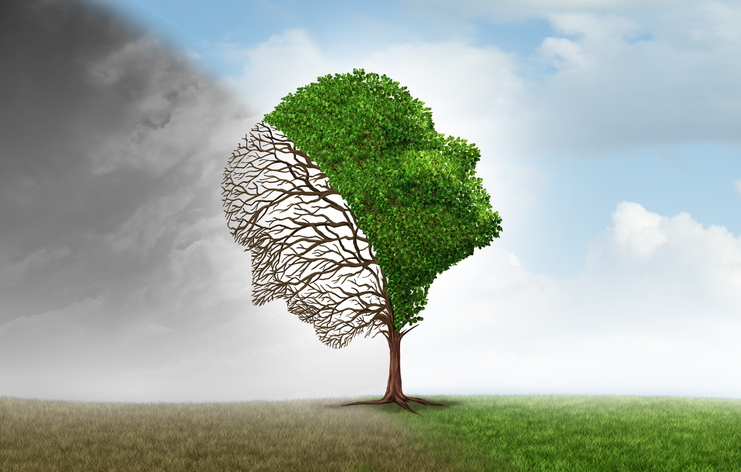
As the burnt grass recovers and autumn sets in, some of us may not be fully conscious as to the effects certain seasonal changes have on our minds and bodies.
While seasonal affective disorder (SAD) is recognised, the condition affects some people more than others.
However, leaving SAD to one side for the moment, research from 2024 suggests that the leafless autumnal tree landscapes ahead of us can actually have positive and therapeutic impacts.
The authors sought to explore the impact of different sensory modes on the therapeutic effects of virtual autumn landscapes on university campuses. The 320 study participants were quite young, as you might expect on a university campus – their average age was 21.11 years, and a control group was included for comparison.
A combination of visual, auditory, and combined conditions was used, which included virtual environments featuring autumn colour landscapes and bare tree landscapes. Physiological indicators such as heart rate, EEG, and measures such as POMS, PANAS, SVS, ROS were taken.
The researchers found that “when designing therapeutic environments, attention should be given to seasonal variations and the integration of various sensory modes to optimise therapeutic results”.
Autumn virtual landscapes with lots of colour had a therapeutic effect, and they found significant differences in the therapeutic effects of different sensory modes. This suggests that incorporating additional sensory dimensions into a person’s perception can enhance therapeutic outcomes.
They point out that many previous studies have focused on the benefits of green vegetation when it comes to the therapeutic effects of a person’s/patient’s environment. For example, during autumn, people tend to prefer a vividly coloured leafy landscape, but the researchers also emphasised the restorative effects of barren tree landscapes at the end of autumn.
“Research findings indicate that colourful and diverse landscapes in nature help individuals concentrate their attention and enhance their mental wellbeing. Richer landscapes are often more appealing, effectively capturing visual attention, subsequently leading to recovery effects,” they concluded.
In terms of the powers of recovery offered by these landscapes, they commented: “Even in seasons where plant colours are relatively monochromatic, bare tree landscapes still exhibit notable effects on mental recovery. Moreover, both barren tree and withered branch landscapes can offer benefits, especially when adding dynamic bird songs and small animal activities to the barren tree landscape. This can have a positive impact on individuals’ physical and mental recovery during tranquil moments in late autumn and has gained recognition from most respondents.”
Even though the vividly coloured leafy landscapes were appealing to the participants, they found that “monotonous landscapes, bare trees, and post-fall scenery continue to play a role in aesthetics and recovery, as confirmed in psychological and physiological research”.
“Previous research has indicated that multisensory dimensions can present better health effects. Although our study results slightly differ, this reminds us that multi-sensory virtual experiences may offer a broader and more profound sensory experience, thus having a more significant impact on health effects,” they wrote. The study was published in PLOS One if you fancy some further reading.
A slightly older study (2023) from the University of Eastern Finland added to growing body of research into the effects of changing seasons on people. In late autumn, the researchers found, the number of sick days taken is almost twice as high as in the summer, and approximately 25 per cent higher than in early autumn.
Professor of Psychology at the University of Eastern Finland Prof Marianna Virtanen remarked: “It’s also worth considering if there are other explanations for the phenomenon apart from a dark season. For example, is there an exceptionally high amount of psychosocial stress in the workplace during autumn, which then leads to an increasing number of sick leaves?”
They recommend light therapy as a possible mitigating factor, so it’s encouraging that light therapy boxes are now available in all Dublin City libraries, although the scheme really should be rolled-out on a national basis.
Interestingly, however, the 2023 research also found that manic episodes related to bipolar disorder happen more frequently than expected during the spring and summer, when there are more daylight hours, and less often than anticipated during the darker times of year.
So, the effects of the seasons on our wellbeing may be more complex than we think.








Leave a Reply
You must be logged in to post a comment.