


A round-up of news and oddities from left field by Dr Doug Witherspoon
The Christmas advertisements are already being rolled out, which is a gentle reminder that we’re in the November calm before the Christmas storm of activity and disrupted schedules.
It is a month with several noteworthy milestones involving women and their place in medical history.
It is a month with several noteworthy milestones involving women and their place in medical history
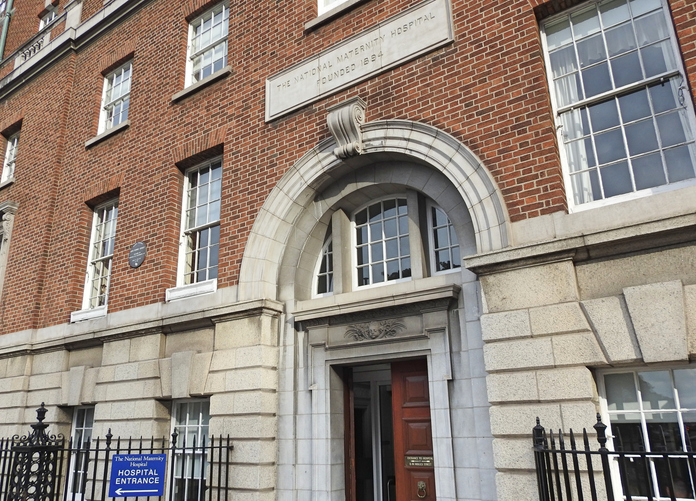
For example, 200 years ago in 1826, Margaret Boyle bought and repurposed the empty building that was the Meath Hospital in the Liberties area of Dublin, which she then established as the Coombe Lying-In Hospital.
Margaret and a group of highly motivated supporters were moved by events of the year before, when two pregnant women braved a particularly bad snowstorm in an effort to reach the Rotunda Hospital on the other side of the city. The two women died near Thomas Street. The subsequent news reports created an outcry that led to the establishment of the hospital, which of course went on to become the teaching hub and centre of excellence it is today.
The Guinness family funded the project and after much dedication and effort, the Coombe formally opened in 1829. Its first recorded Master was Dr Richard Reed Gregory and this effectively created the ‘Mastership model’, where an obstetrician/gynaecologist serves as both the CEO and chief clinician.
Margaret Boyle’s work deserves continued recognition for the lasting contribution it made to improving access to obstetric care for disadvantaged women.
This month in 1938 marks the death of Mary Mallon, or ‘Typhoid Mary’, who was born in 1869 and emigrated to the US from Cookstown in Co Tyrone. The infamous typhoid carrier passed away in the Bronx in New York from a stroke, having spent some 30 years in isolation.
Mary served as a domestic worker after emigrating to the US in 1883, but red flags were raised when dozens of people contracted typhoid fever in New York households where she had worked. What followed was something of a cat-and-mouse game for investigators, as by the time the people she had infected fell seriously ill, she was usually gone elsewhere.
The investigations into the origins of these illnesses had a strange genesis – a family, having fallen ill with typhoid fever, privately hired a specialist to investigate the outbreaks. He and others initially concluded that the deaths were due to contaminated water and Mary continued to move from household to household.
Eventually, in 1907, the deaths were linked to Mary. When she was confronted with this connection, it is said, she chased the investigator out of the house with a carving fork. Mary went ‘on the lam’ – no doubt terrified of what the authorities would do with her – but was apprehended the same year and incarcerated for three years. She was released on the condition that she would no longer work as a cook, but simply changed her name to Mrs Brown and continued working. She was arrested again when an outbreak of 25 cases was identified in a hospital where she had been working.
November also marks the opening of the first medical school for women in the US in 1848: The Boston Female Medical College. It began with 12 students and two instructors, with an initial focus on midwifery. As its curriculum expanded over the following years, it was renamed the New England Female Medical College.
This lit the fuse and between 1850 and 1895, some 20 medical schools especially for women were established, partly fuelled by the growing feminist movement. However, the increased acceptance of women into previously all-male medical schools meant that the women-only colleges were not as necessary and by 1910 only two remained.










Leave a Reply
You must be logged in to post a comment.