


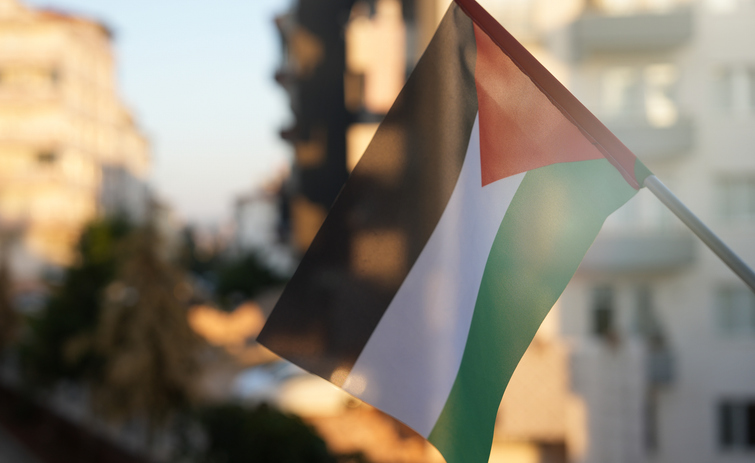
The European Union (EU) and the rest of the international community need to do more about increased attacks on healthcare workers and infrastructure in conflict zones, an Irish surgeon has told the Medical Independent (MI).
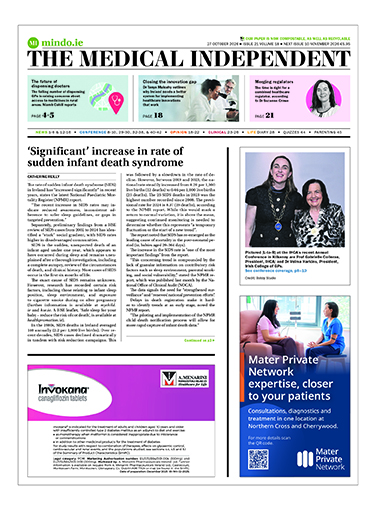
Mr Morgan McMonagle, Vascular, Trauma and Humanitarian Surgeon, University Hospital Waterford, addressed the IHCA Annual Conference in Kilkenny on his recent experience working in Gaza.
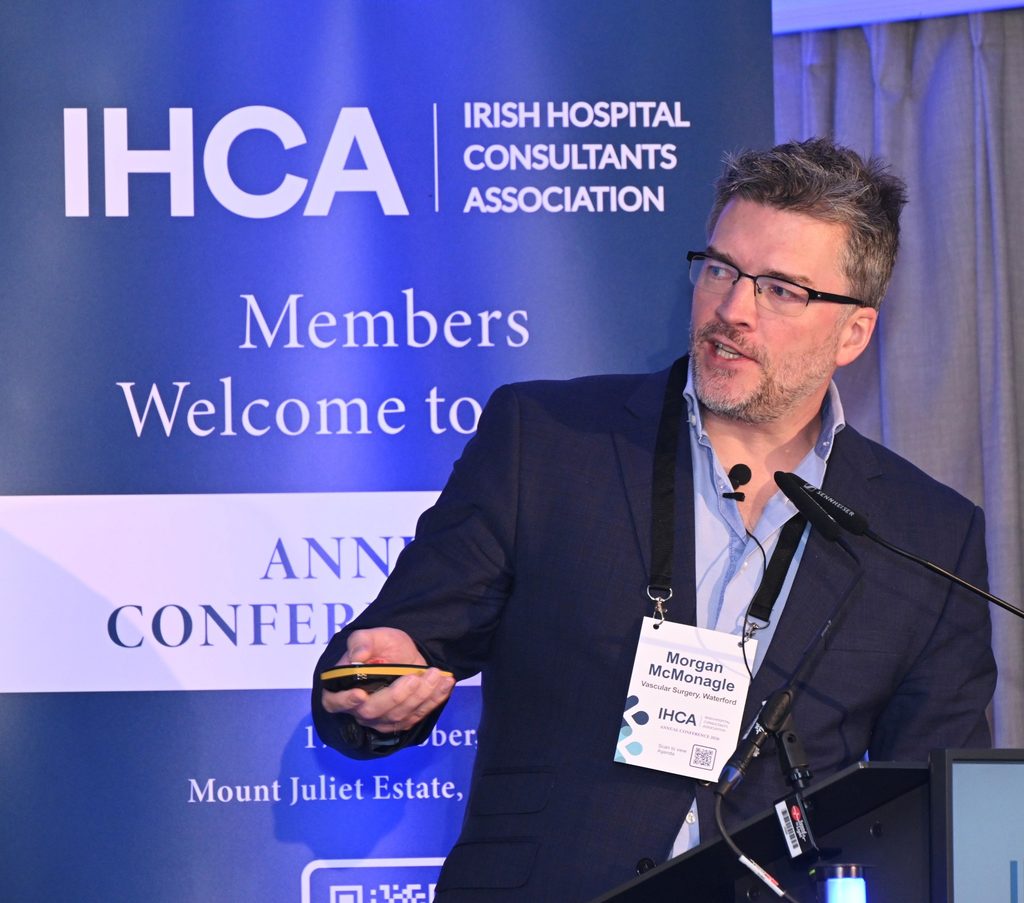
Mr McMonagle said that Gaza “has fallen off the radar” over the last year.
However, he pointed out that the conflict “is particularly gruesome at the moment… and as one of my American colleagues said the first time I went: ‘It’s worse than hell.’”
In his address, Mr McMonagle outlined how many of the patients he treated in Gaza were children with shrapnel wounds.
Mr McMonagle explained that while gunshot injuries were also common, shrapnel wounds were more prevalent, frequently affecting joints and limbs.
He highlighted the significant challenges posed to hygiene and sanitation in the region as a result of Israeli military attacks on water and other infrastructure.
Mr McMonagle pointed out that infection is another significant complication among the patients.
“Infection is an enormous risk,” he told the meeting.
In recent years, Mr McMonagle has worked in Ukraine, the West Bank, Lebanon, and most recently in Gaza.
He was surgical clinical lead in setting up the first field hospital in Rafah in 2024. He later returned to Nasser Hospital in Khan Yunis and was on duty when it was bombed in March 2025. Mr McMonagle returned in October 2025 for his third mission to Gaza during the current conflict.
The World Health Organisation and other bodies have highlighted the increasing frequency of attacks on healthcare workers and infrastructure in conflict areas.
“It certainly focused the mind when you are there,” Mr McMonagle told MI after his address.
“Before going into a conflict zone, there is a lot of anxiety anyway, because where you have humans, you always have the risk of human error. So, there is always the risk that an error could end up killing you or injuring you.
“But now they are indiscriminately targeting hospitals, which is against all international law… but it doesn’t seem to matter. They are doing the same in the Ukraine, doing the same in Iran, and hospitals have been targeted in Gaza as well.”
He criticised the international community, particularly the EU, for being “weak” in responding to Israeli military attacks on medical facilities.
Reflecting on the challenges facing his Palestinian medical colleagues, he told MI that they were under enormous pressure treating injured patients, including children, who are from their own communities.
“But they also have their own families,” he added.
“They have to look after their families – to get food and clean water for their families – but then still come back into work.”







Leave a Reply
You must be logged in to post a comment.