


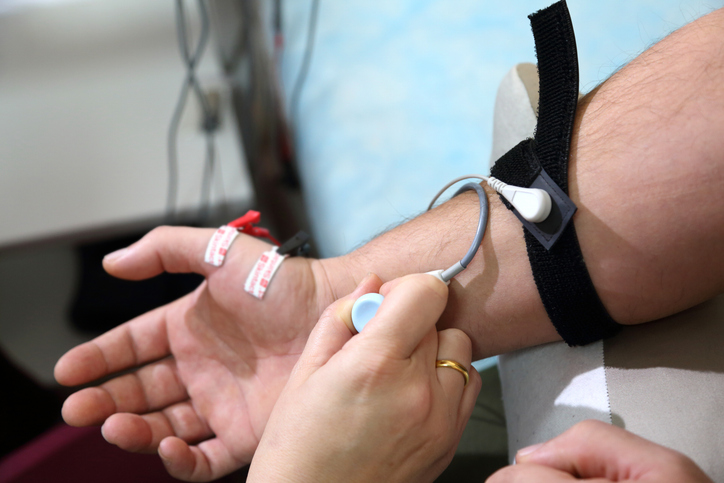
Consultant Clinical Neurophysiologist Dr John McHugh discusses how the new training programme has a role in meeting growing demand for diagnostic testing
In July 2025, two trainees started new posts in Cork University Hospital’s clinical neurophysiology department and commenced Ireland’s first specialist training programme in the specialty.
The RCPI’s higher specialist training programme in clinical neurophysiology is a four-year programme designed to equip graduates with the ability to expertly evaluate central and peripheral nervous systems using physiological testing.
Closely aligned with neurology and neurosurgery, clinical neurophysiology is an independent, largely diagnostic specialty.
“Both [specialties] are concerned with the diagnosis of neurological disorders,” said Dr John McHugh, Consultant Clinical Neurophysiologist, Children’s Health Ireland (CHI) at Crumlin, Dublin.
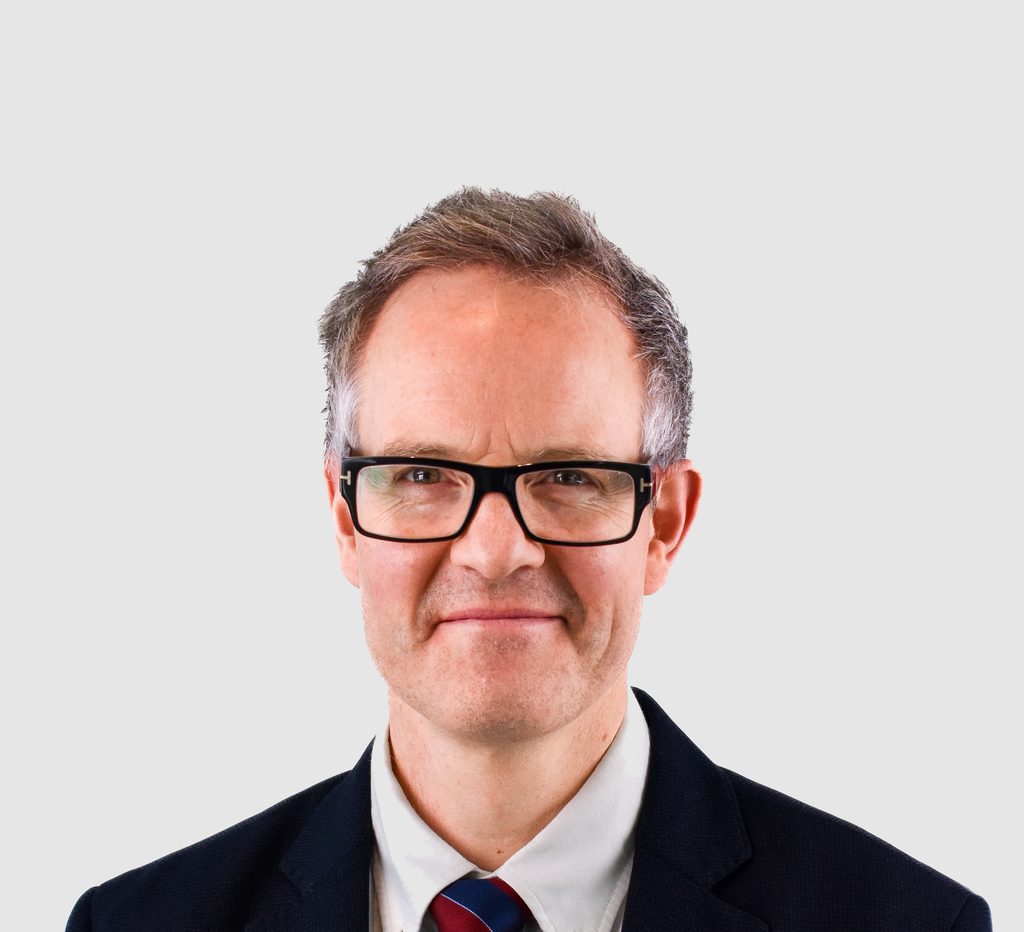
“Our specialty is involved in electrical testing of nervous systems to try to support these diagnoses.
“Clinical neurophysiology is an area of medicine that applies electrophysiological measurement techniques to evaluate and contribute diagnostic information to problems of the central and peripheral nervous systems.
“The specialty requires an intimate understanding of neurological diseases and of neuroanatomy. The clinical neurophysiologist needs to understand neurological differential diagnosis. They must understand pathophysiology and have an understanding of how electrophysiology may be used to resolve diagnostic questions in the area.”
Dr McHugh is the RCPI’s National Specialty Director leading the delivery of the new training programme. He is based in a laboratory in CHI at Crumlin, working alongside scientists who record physiological activities of the brain, spinal cord, and peripheral nervous system. His role involves acquisition and interpretation of these activities to contribute to neurological diagnoses.
According to Dr McHugh, some patients are anxious about having neurophysiological testing, but the procedures are very well tolerated.
“I think sometimes people are anxious but in fact the tests are very tolerable. They’re on the very mild end of discomfort. It’s not a specialty to be frightened about. There are no sparks flying in the laboratory,” he noted.
Electroencephalogram and electromyography
The electroencephalogram can be considered one of two pillars within the specialty; the other, electromyography and nerve conduction studies, was developed after World War II, partly in response to the need to evaluate injured soldiers with traumatic nerve injuries. Today, the test is most helpful in the diagnosis of acquired and inherited nerve and muscle disorders, including motor neurone disease.
In the late 2000s, when he was a trainee on RCPI’s higher specialist training programme in neurology, Dr McHugh spent time in the neurophysiology laboratory in Tallaght University Hospital, Dublin. In the laboratory, he saw up-close the tests and data that confirms diagnosis of different neurological disorders. Later, when working in the epilepsy service in Beaumont Hospital, Dublin, he learned to read an electroencephalogram for the first time.
“That was fascinating, seeing patient brainwaves, having spent many years at that point making diagnoses of epilepsy for patients, and then seeing a different window into their world through the test. That was quite strongly motivating, wanting to be able to read these brainwaves and to be a person who can help clarify the diagnosis or deepen the understanding of the diagnosis.”
He completed training in clinical neurophysiology in London at the Royal Free Hospital, the National Hospital for Neurology and Neurosurgery, and Great Ormond Street Children’s Hospital.
At the turn of this century, according to Dr McHugh, there were only two consultant neurophysiologist posts in Ireland. Now there are 10.
“It’s grown quite a bit but, equally, the demand for the tests has only grown as well,” he outlined.
“With an ageing population like Ireland’s, we’ve identified that in order to keep pace with clinical demand, we would need to get our number up to 40 by the year 2040.
“The technology has permitted the development of clinical neurophysiology as a distinct specialty in as much as a key technology permitted radiology to arrive and genetic technology allowed for genetics as a clinical specialty.”
Workforce
The 2023–2024 workforce report by HSE National Doctors Training and Planning (NDTP) confirmed the consultant headcount for neurophysiology saw the fourth highest percentage increase of the medicine specialties during the period covered by the report. The same report also found that most physicians in the specialty were aged over 55 years. This was the second highest after clinical pharmacology.
“We’d like to enhance the exposure of medical students and postgraduates to the specialty at an earlier stage, so they know it’s there,” said Dr McHugh.
We’d like to enhance the exposure of medical students and postgraduates to the specialty at an earlier stage, so they know it’s there
“Many will have seen neurophysiology through the gateway of neurology. It was a very small specialty at the time I qualified. It didn’t cross our radar. That’s one of the things we’re very keen to correct and, with the help of the College, promote it as a specialty.”
Specialist training programme
The first step was to establish a specialist training programme in Ireland so that doctors did not have to go abroad to train. When Dr McHugh moved back to Dublin in 2012, progress was already being made. The neurophysiologist headcount had grown to 10, and there was a feeling there were enough consultants to implement a programme.
What began was a 10-year campaign canvassing for a higher specialist training programme. This involved making the case to the NDTP for an increased consultant headcount, and gaining support from the RCPI Institute of Medicine and the Medical Council.
Now in the second year of the training programme, Dr McHugh is satisfied with what has been achieved. However, he believes further progress can be made.
“At present, we’re taking two trainees per year, but we’re hoping to grow that.
“Beyond meeting the demand for electroencephalograms and electromyography tests, Dr McHugh said there is a need to grow single-handed neurophysiology units in hospitals to cover growth areas such as intraoperative studies. These are real-time assessments during surgery to prevent spinal cord or nerve damage and are used in procedures such as scoliosis corrective surgery.
“I think the standard of training in clinical neurophysiology in Ireland should be as high as it is anywhere else in the world,” he concluded.
“That’s our intention. I believe that’s very deliverable.”
Find out more about RCPI’s Higher Specialist Training in Clinical Neurophysiology programme here: https://www.rcpi.ie/Learn-and-Develop/TrainingProgrammes/Higher-Specialist-Training/Internal-Medicine-Higher-Specialist-Training/Specialties-and-Mandatory-Courses









Leave a Reply
You must be logged in to post a comment.