







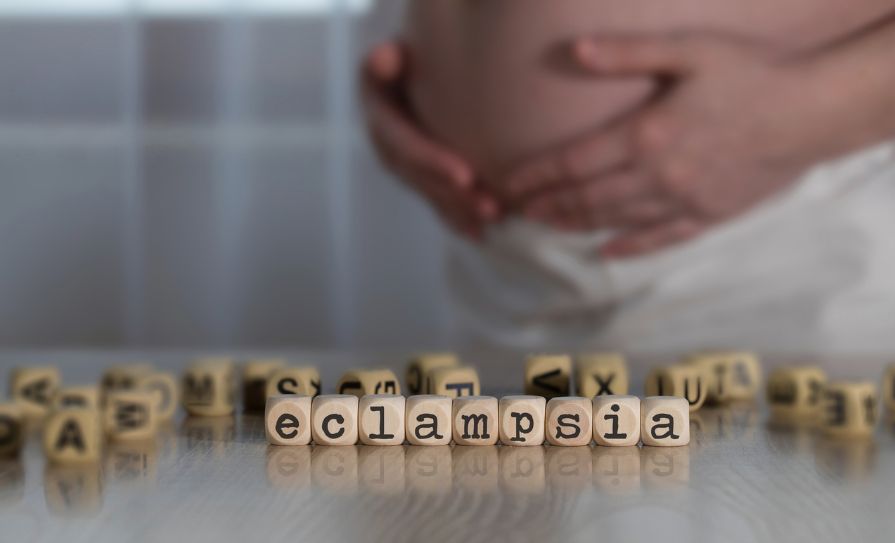
A rise in reported cases of eclampsia has prompted a “learning notice” from the HSE National Women and Infants Health Programme (NWIHP).
Some 13 cases of eclampsia were reported to the NWIHP last year. This compared with seven in 2024 and two in 2023.
“Eclampsia occurs in the setting of uncontrolled hypertension. It may occur antenatally, but also intrapartum and postnatally,” stated the learning notice, which was circulated in June.
“Pre-eclampsia and eclampsia can occur for the first time intrapartum. Eclampsia is a cause of maternal death, but also has long-term sequelae such as cognitive impairment.”
According to the notice, MBRRACE-UK has emphasised the importance of pre-pregnancy counselling, appropriate antenatal care with regular medication review, and appropriate escalation where blood pressure is not controlled.
The International Society for the Study of Hypertension in Pregnancy recommends a target diastolic blood pressure of 85mmHg (regardless of systolic blood pressure), and systolic pressure less than 140mmHg. Severe hypertension in pregnancy (≥160/110mmHg) requires “urgent” anti-hypertensive therapy in a monitored setting and, following treatment, blood pressure should be measured every 15-30 minutes until stabilised (National Institute of Health and Care Excellence, 2023).
Magnesium sulphate is the recommended treatment to reduce the risk of progression to eclampsia. Women with severe pre-eclampsia, or women who have pre-eclampsia and are symptomatic (neurological signs), should receive magnesium sulphate for eclampsia prevention, outlines the notice.
Maternity units should ensure local protocols are in place for the assessment and management of hypertension, including escalation for senior advice. Periodic auditing of pre-eclampsia management is recommended.
A HSE spokesperson told the Medical Independent: “The HSE’s National Women and Infants Health Programme monitors all relevant maternity data and raises issues as they emerge. The most recent learning notice, regarding eclampsia, was sent out as an increase in cases had been noticed. The numbers of cases remain low and this may reflect expected fluctuations across recent years.”
The NWIHP has advised maternity hospitals/units to “remain vigilant”.
The spokesperson added that a national guideline regarding the management of hypertension in pregnancy is due shortly.










Leave a Reply
You must be logged in to post a comment.