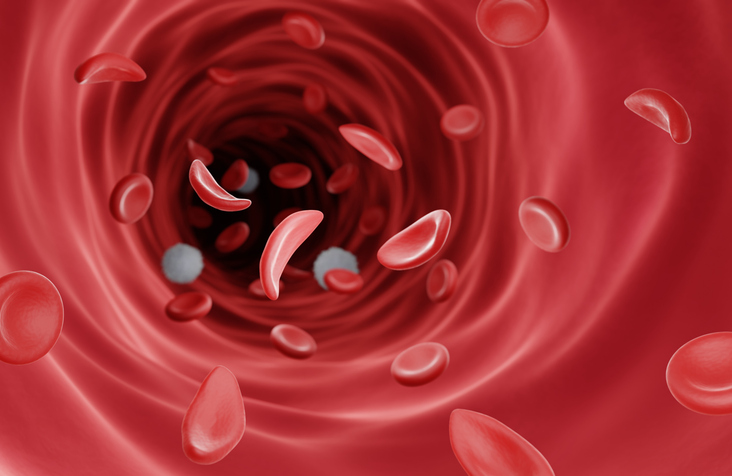
Credit: iStock.com/Artur Plawgo
The growth in the sickle cell service in Northern Ireland in recent years was the topic of the state-of-the-art lecture that Dr Sally Elsir Mohammed, Consultant Haematologist, Belfast City Hospital, delivered at the Haematology Association of Ireland Annual Meeting 2026.
The lecture was titled ‘The philosophy of a fledgling sickle cell service: Building trust, expertise, and connection in Northern Ireland’.
Dr Elsir Mohammed reported that the number of sickle cell patients seen by the Northern Ireland health service had risen from 16 in April 2020 to 47 in January 2026, representing a 194 per cent increase. A major challenge for the service, Dr Elsir Mohammed said, is ensuring patients attend their clinic appointments.
Barriers to engagement include a reluctance to take time off work, difficulties arranging childcare for appointments, and a lack of disclosure of diagnosis to family and work managers.
In response to these challenges, Dr Elsir Mohammed said patients are asked when they would prefer to attend clinic, with out-of-hours appointments accommodated where possible. She noted that this flexible approach is feasible because of the relatively small number of patients.
As a result, clinic attendances have increased.
Ensuring sufficient levels of staffing and medication adherence among patients are other challenges faced by the service.
Dr Elsir Mohammed noted that many patients with sickle cell disease feel their symptoms are doubted or questioned, emphasising the importance of clinicians listening to patients and making sure they feel heard and understood.
The introduction of an electronic patient record in Northern Ireland, incorporating individualised pain management plans, has helped improve patient care, Dr Elsir Mohammed said. She noted that timely pain assessment and management in hospital had often been lacking for patients with sickle cell disease.
Dr Elsir Mohammed highlighted that the 2012 NICE guideline states that all patients presenting to hospital with an acute painful sickle cell episode should be treated as having a medical emergency and offered analgesia within 30 minutes of presentation.












Leave a Reply
You must be logged in to post a comment.