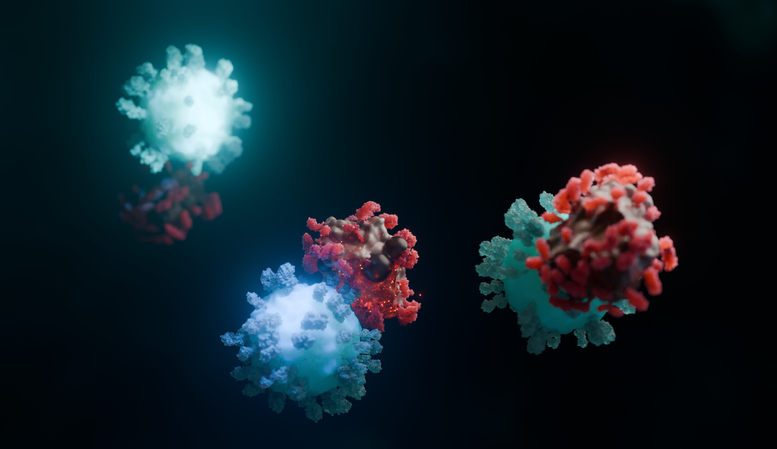
Credit: iStock.com/Miyako Nakamura
CAR T-cell therapy in paediatric T-cell acute lymphoblastic leukaemia (T-ALL) was the subject of a talk by Dr Robert Chiesa, Consultant in Paediatric Bone Marrow Transplantation and CAR T, Great Ormond Street Hospital for Children, London, UK, at the Haematology Association of Ireland Annual Meeting 2026.
In a state-of-the-art lecture, Dr Chiesa presented data on CAR T-cell therapy for paediatric patients with T-ALL, outlining the challenges, which include fratricide, T-cell aplasia, blast contamination, disease progression, CAR T fitness, and target antigen selection.
T-ALL represents 15 per cent of all paediatric ALL cases and outcomes have been historically poor compared to B-cell acute lymphoblastic leukaemia (B-ALL), he noted.
“Patients with relapsed/refractory T-ALL are in desperate need for novel therapies and different types of antigens have been explored…and different strategies have been adopted, such as the use of monoclonal antibodies, antibody drug conjugates… and cellular therapy, including CAR T-cell therapy,” Dr Chiesa stated.
He explained that developing CAR T-cell therapies for T-ALL has proved more challenging than for B-ALL due to several intrinsic features of the disease, including the difficulty of identifying a suitable target antigen.
Dr Chiesa emphasised that antigen selection is a critical consideration in CAR T-cell therapy development, as it influences both treatment efficacy and the risk of toxicity.
In conclusion, Dr Chiesa said that CAR T-cell therapy is “feasible in relapsed/refractory T-ALL”. He added that fratricide can be overcome with or without gene editing. “CD7 CAR T-cells produce high rates of remissions and subsequent HCT [haematopoietic cell transplant] increases durability of response,” Dr Chiesa outlined.
Furthermore, off-the-shelf (allogeneic) or donor-derived CAR T-cells are attractive options for high-risk patients, as they are readily available, he added.
T-cell immunosuppression can be worsened during enhanced lymphodepletion and antigen loss is a frequent escape mechanism, even if a pan T-cell marker is chosen, Dr Chiesa said.
In the future, he added, dual CAR T-cell therapy could be a viable therapeutic strategy.





Leave a Reply
You must be logged in to post a comment.