


Muscular Dystrophy Ireland was established in 1972 and supports people living with more than 60 neuromuscular conditions
Muscular Dystrophy Ireland (MDI) is the national organisation supporting people living with muscular dystrophy and other neuromuscular conditions throughout Ireland, as well as their families. It was established in 1972 around a kitchen table by a group of parents in Galway whose children had muscular dystrophy. These parents began meeting in one another’s homes to provide mutual support, share information, develop a network for families affected by muscular dystrophy, and begin to address gaps and challenges within the Irish health system.
More than 50 years later, that original ethos of people helping people remains at the heart of MDI. The organisation has grown considerably and now supports more than 1,700 individuals and families throughout Ireland through a range of national services, programmes, and supports.
Neuromuscular conditions
While individually rare, neuromuscular conditions are a diverse group of disorders that affect the nerves and/or muscles. Muscular dystrophies are a group of genetic neuromuscular conditions caused by changes in genes involved in the structure and function of muscles, which typically result in progressive muscle weakness and wasting over time.
MDI supports people living with more than 60 neuromuscular conditions and sub-conditions that can present at birth, during childhood, or later in life. Some may affect more than one person within a family. They can present in primary and acute hospital settings, often subtly at first. While there is currently no cure for most muscular dystrophies, significant advances have been made in the treatment and management of a number of neuromuscular conditions.
These conditions can affect people in very different ways and at different stages of life. Symptoms and progression can vary considerably depending on the individual condition and the person affected. For example, Duchenne muscular dystrophy, one of the more common forms of the condition, primarily affects boys.
Early signs that may warrant further assessment can include progressive or unexplained muscle weakness, difficulty climbing stairs, rising from a chair or the floor, lifting objects, or raising the arms; frequent falls, changes in gait or increasing unsteadiness; muscle wasting, cramps, or persistent twitching; and weakness or fatigue that worsens with repeated activity.
Other potential indicators can include difficulty swallowing, chewing, or speaking, drooping eyelids or double vision, unexplained numbness, tingling, or burning sensations, or respiratory symptoms without a clear pulmonary cause, such as unexplained breathlessness, difficulty breathing when lying flat or sleep-related breathing problems.
A family history of muscle disease, neuropathy, early mobility difficulties or unexplained cardiomyopathy may also be relevant, as can persistently elevated creatine kinase levels. In infants and children, possible indicators can include delayed motor milestones; hypotonia; reduced movement; feeding or swallowing difficulties; a weak cough or cry; recurrent respiratory infections; toe walking; a waddling gait; calf hypertrophy; or scoliosis.
Information developed by MDI in collaboration with consultant neurologists highlights these and other indicators that may warrant further assessment or referral to neurology services. Where a neuromuscular condition is suspected, patients should be referred through the appropriate pathway to their local neurology service for further assessment. In children, referral to general paediatrics or paediatric neurology may be appropriate depending on local pathways.
What MDI does
Our support is designed to recognise that living with a neuromuscular condition can affect every aspect of a person’s life and that the needs of individuals and families can change over time.
Services and supports include:
✽ Family support
✽ Information and guidance
✽ Research and advocacy
✽ Counselling and bereavement support
✽ Play therapy and ‘Talk to your child’ sessions
✽ Youth clubs and services
✽ Personal assistance and home support
✽ Emergency respite
✽ Transport support and equipment loans
✽ Health and wellbeing programmes
✽ Physical training and nutrition programmes through our partner Siel Bleu
✽ Occupational therapy and physiotherapy services
✽ Peer connection and opportunities for people and families to connect with others who understand their experiences
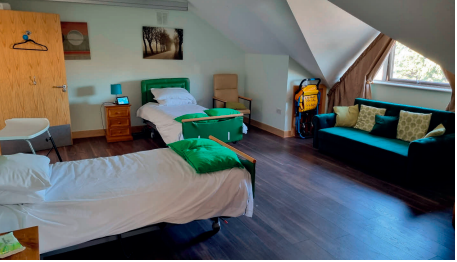
✽ MDI’s ‘Home from Home’ fully wheelchair-accessible apartment in Dublin, providing short-term respite accommodation for members and their families
✽ MDI also has a clinic liaison officer who attends neuromuscular clinics, providing a direct link between MDI and members attending specialist clinical services.
All of these services are provided free of charge to MDI members (with the exception of accommodation in our apartment).
Wellbeing programmes: MDI also recognises the importance of supporting overall health and wellbeing. Alongside practical and emotional support, our wellbeing services aim to help members maintain independence, confidence, and quality of life.
These include adapted physical training and exercise programmes delivered in the members’ homes, in partnership with Siel Bleu, as well as counselling, play therapy, nutrition support, and ‘Talk to your child’ sessions for parents who may need support in discussing a diagnosis or health condition with their children.
The lived experience
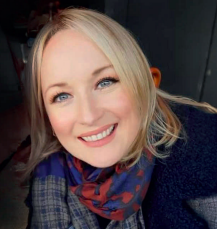
MDI’s counselling and information advocacy service formed a key part of the support Claire Ellis received after her diagnosis.
“My name is Claire Ellis and I was diagnosed with the extremely rare Miyoshi distal myopathy last year. Needless to say, it came as a shock initially, but then, the range of emotions – from fear, disbelief, anger, sadness, and especially the isolation of such a diagnosis – felt overwhelming. None of the medical professionals I spoke to around that time had ever heard of my type of muscular dystrophy, and as a single woman in her forties, this further compounded my isolation and distress.
“One amazing GP suggested I get in touch with MDI to see if they could provide any information to me, and honestly, they were my saviours. It’s very hard to write this and not get emotional thinking back to that dark time in my life, but MDI were a beacon of light to me in a very difficult period, and they continue to be so.
“The first call I made, I just sobbed down the phone and the lovely woman I spoke to suggested I sign up for some counselling to help me process my diagnosis. Every interaction I have had with MDI since, including those counselling sessions, has genuinely helped me more than anyone could ever realise. Just knowing that such a support and service is in place for patients and families dealing with muscular dystrophy is truly lifesaving. I can’t thank MDI enough for all that they do; they are an invaluable resource to this country.”
CONTACTING MDI AND REFERRAL
Nurses, other healthcare professionals, and patients can access information from the MDI website at: www.mdi.ie. Patients can also be referred to MDI’s information and advocacy line at 01 623 6414, which operates Monday-Friday, 10am to 3pm.







Leave a Reply
You must be logged in to post a comment.