







Within her role as an advanced nurse practitioner (ANP), Theresa’s scope of practice is broad and diverse. It spans undifferentiated acute presentations; chronic disease management; sexual and reproductive health; mental health; prescribing; diagnostics; minor injuries; emergency response; and clinical governance and quality improvement. This interview explores the breadth, autonomy, and impact of advanced practice nursing in delivering safe, accessible, and comprehensive primary care within a third-level education healthcare setting.
How would you describe your role within the university medical service?
I am GP employed to manage a nurse-led medical centre for a large third-level university student population. I am the first point of contact for clinical presentations, delivering assessment, diagnosis, prescribing, investigation, and treatment and management of care independently. I work 40 hours per week – 34 hours as a lone practitioner, with GP presence on site for six hours weekly. I manage approximately 3,000 consultations during term-time, with over 80 per cent of complete episodes of care delivered independently, without GP involvement, reflecting a high level of advanced clinical autonomy and decision-making responsibility. The operational and clinical integrity of the service is grounded in autonomous ANP practice. All advanced practice nursing care and procedures, including tests and investigations, are free, which is fundamental to ensuring equity and encouraging early engagement with healthcare.

How extensive is your clinical autonomy in day-to-day practice?
For 34 hours each week, I am the sole on-site clinical decision-maker, responsible for managing the full patient journey, from initial presentation through to diagnosis, treatment, and follow-up. This includes undifferentiated presentations that require rapid clinical reasoning and structured risk assessment, as well as complex decision-making across acute and chronic conditions.
A significant part of my workload involves managing uncertainty in a primary care context, where presentations may evolve over time or where multiple contributing factors are present, including physical illness, stress, mental health concerns, and lifestyle influences. This requires not only diagnostic skill, but also the ability to review, reassess, and adjust management plans appropriately. This level of autonomy reflects both the scope and extent of advanced practice nursing, in a real-world primary care setting, where clinical accountability, diagnostic responsibility, and ongoing management are held independently within a structured and supported service framework.
What does your clinical workload typically involve?
The clinical workload reflects the breadth and complexity of general practice within a busy third-level student health setting. Presentations range from acute respiratory and infectious conditions such as upper respiratory tract infections and influenza-like illness, sore throat, sinusitis, otitis media and tonsillitis, through to urinary tract infections, dermatological conditions including rashes, eczema, acne, fungal infections, and gastrointestinal complaints such as abdominal pain, gastroenteritis, reflux symptoms, and altered bowel habit.
There is a substantial volume of musculoskeletal presentations, particularly sports-related injuries, including sprains, strains, ligament injuries, joint pain, back and neck pain, and overuse injuries associated with training or increased physical activity.
Ophthalmic presentations such as conjunctivitis and eye irritation are regularly encountered, alongside ENT-related issues including ear pain, wax impaction, and sore throat presentations requiring differentiation between viral and bacterial causes.
Workload also includes a range of general systemic presentations such as fatigue, headache, dizziness, and non-specific viral illnesses, all of which require careful clinical assessment to exclude more serious underlying pathology. Minor injuries, wound care, and post-trauma presentations are a regular feature.
In addition to acute illness, there is a significant component of chronic disease management. This involves the ongoing, coordinated care of individuals with long-term conditions and includes regular review, medication management, clinical monitoring, lifestyle advice, and patient education. This includes the management of conditions such as type 1 and 2 diabetes, asthma, chronic obstructive pulmonary disease, epilepsy, mental health conditions, as well as hypertension, chronic kidney disease, coronary vascular disease, osteoarthritis, osteoporosis, inflammatory bowel disease, thyroid disorders, chronic liver disease, and oncological follow-up care.
In a context where university students engage intermittently with healthcare services, continuity of care and structured follow-up is important. Supporting self-management and preventing complications are key components of the clinical workload.
Each consultation requires a thorough and systematic clinical assessment, including history- taking, examination, and the formulation of differential diagnoses. Management is guided by clinical findings, current evidence, and relevant guidelines, with appropriate safety- netting and escalation where necessary.
Student populations frequently present with conditions influenced by a complex interplay of biopsychosocial factors, including psychological stress, maladaptive coping mechanisms, poor lifestyle behaviours, and the sustained pressures associated with academic performance and assessment demands.
These determinants of health can both contribute to the onset of illness and exacerbate existing conditions, meaning clinical presentations are often multifaceted rather than straightforward. As a result, symptoms may overlap between physical and psychological causes, requiring careful history taking, holistic assessment, and sound clinical judgement to ensure accurate diagnosis and safe management.
The service also supports a large and diverse international student population, contributing to a high consultation volume and added complexity in clinical care. Variations in health profiles, vaccination histories, and cultural health beliefs, along with potential language barriers, can influence communication, assessment, and adherence to management, requiring clear communication and culturally responsive, patient-centred care.
In many cases, reassessment and follow-up are necessary to monitor progress, evaluate response to treatment, and identify any evolving or underlying pathology. This requires a flexible and responsive approach to care delivery within a primary care setting, with an emphasis on continuity, patient education, and timely escalation where appropriate. Effective management depends on advanced clinical reasoning, proactive decision-making, and the ability to deliver safe, individualised care within complex and changing presentations.
How do you manage urgent care and emergency presentations on campus?
A significant part of my role involves urgent and unscheduled care, including direct response to call outs and emergencies across the university campus. These presentations are highly variable and include acute collapse, seizures, syncope, trauma, sports-related injuries, allergic reaction/anaphylaxis, or sudden medical deterioration. In these situations, response is immediate and the clinical focus is on rapid assessment, stabilisation, and ensuring patient safety. This often occurs outside the clinical environment, where the nurse is the first healthcare professional on scene and is required to take full clinical responsibility from the outset. Initial management is guided by structured clinical assessment, prioritisation of immediate risk, and timely intervention based on presenting findings.
Decision-making in this context is prompt and safety-orientated, with continuous evaluation of the need for escalation and transfer to emergency services. Clear communication with ambulance services, campus staff, and where appropriate, family members, forms an important part of the process, ensuring coordinated and effective care delivery. These episodes require a high level of clinical confidence, situational awareness, and the ability to remain calm under pressure while managing potentially life-threatening presentations. It also reinforces the importance of autonomous advanced practice in providing immediate, skilled clinical intervention within a community-based setting where traditional emergency resources are not immediately available.
What is your approach to sexual and reproductive health within the service?
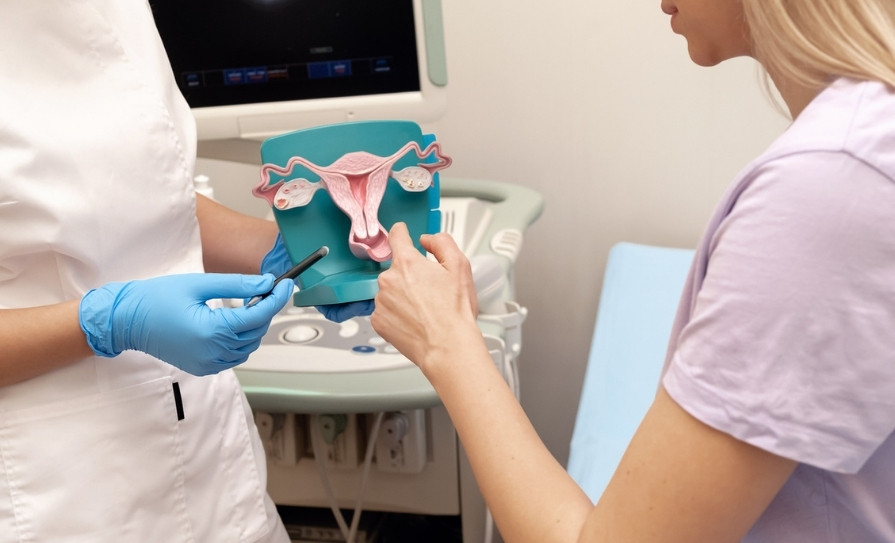
Sexual and reproductive health forms a large part of the service and is delivered with a strong emphasis on accessibility, confidentiality, and continuity of care. The service provides comprehensive management of sexual health needs, including contraceptive counselling, initiation, and ongoing review of the full range of contraceptive methods, alongside screening, diagnosis, and treatment of sexually transmitted infections.
Care is structured to ensure there are no barriers at the point of access for students, which supports timely presentation and encourages engagement with preventative health services. This is particularly important within a student population, where healthcare may otherwise be delayed due to uncertainty around access.
Consultations are conducted in a private, and non-judgemental environment, allowing space for open discussion of often sensitive or personal concerns. The focus is on informed choice, with clear, balanced information provided regarding available options so that individuals can make decisions appropriate to their own needs and circumstances.
Continuity of care is maintained through follow-up review, ongoing contraceptive management, and repeat sexual health screening where clinically indicated. This ensures that care is not delivered in isolation, but as part of an ongoing, responsive approach to individual health needs.
The approach is grounded in confidentiality, patient autonomy, and preventative care, with an emphasis on early engagement and sustained access to high-quality sexual and reproductive health services.
Mental health is a significant aspect of student care. How is this managed?
Mental health presentations account for a substantial proportion of clinical workload within the service and commonly include anxiety, depression, stress-related conditions, adjustment difficulties, and emotional distress linked to academic, social, and personal pressures. These presentations often require time-sensitive, structured clinical assessment alongside careful exploration of contributing factors and overall level of distress.
Each presentation is managed with a systematic clinical approach that includes comprehensive assessment, identification of risk, and evaluation of safeguarding concerns where relevant. This includes consideration of self-harm risk, vulnerability, and any indicators that may require urgent escalation or additional supports. Where appropriate, short-term medical management is provided alongside ongoing review and follow-up.
A key strength of the service is the close integration with the college counselling service. A well-established reciprocal referral pathway exists between the nurse-led medical service and counselling supports, enabling timely and appropriate transfer of care depending on clinical presentation, complexity, and psychological need. This ensures that students are not managed in isolation but are supported through a coordinated model of care that bridges medical and psychological services.
This collaborative approach allows for shared understanding of patient needs, reduces fragmentation of care, and supports more timely escalation where required. It also facilitates a more holistic response to mental health presentations, recognising the interaction between physical health, psychological wellbeing, and social stressors. The accessibility of medical and counselling services, both delivered free at the point of access, is central to early engagement and intervention. This reduces barriers to seeking help, supports earlier identification of emerging mental health concerns, and plays an important role in reducing the likelihood of crisis-level presentations.
What is your role in diagnostics, prescribing, and clinical procedures?
As a registered nurse prescriber, I independently initiate, titrate, and review pharmacological treatments across a broad range of acute and chronic presentations. This includes responsibility for clinical prescribing decisions within my scope of practice, ensuring that treatment is appropriate, evidence-based, and safely monitored over time. Prescribing decisions are made in conjunction with clinical assessment, ongoing review, and clear safety-netting, particularly in presentations that may evolve or require reassessment.
In relation to diagnostics, I am responsible for clinical decision-making regarding selection and interpretation of appropriate investigations. This includes requesting laboratory tests and radiological imaging where indicated, as well as interpreting results and integrating them into ongoing management plans. Diagnostic reasoning is a central component of the role, particularly within a primary care setting where presentations are often undifferentiated and require structured clinical judgement to guide appropriate investigation and management pathways.
Alongside prescribing and diagnostics, I provide a comprehensive range of clinical services as part of routine practice. These include phlebotomy, vaccination, ear irrigation, wound assessment, management and follow-up care, and general health screening. I provide certification for illness, driving medicals and eyesight testing, as well as medical assessments for sports club medicals.
My practice also includes smoking cessation and weight management services, and the provision of health promotion, advice, and patient education, ensuring a holistic and preventative approach to care delivery.
Together, these competencies support an integrated model of care in which assessment, diagnosis, prescribing, treatment, and follow-up care are delivered within a single point of access. This contributes to continuity of care, reduces fragmentation of services, and allows for timely clinical decision-making within a busy primary care environment.
Do you have responsibilities beyond direct clinical care?
In addition to direct clinical practice, I contribute to the operational and clinical governance of the student medical centre. This extends beyond day-to-day consultations and involves oversight of the systems and structures that ensure the service functions safely, efficiently, and in line with best practice standards.
A key aspect of this responsibility is the development, review, and implementation of policies, procedures, protocols, and guidelines, ensuring that practice is evidence-based, consistent, and aligned with relevant national guidance and professional standards. Medication governance forms an important component of this, particularly in relation to safe prescribing systems, audit processes, and maintaining appropriate safeguards around medication use within a high-volume service.
Operational responsibilities also include procurement and stock control, ensuring that essential clinical supplies, medications, and equipment are available and appropriately managed. This requires ongoing planning and coordination to maintain continuity of service delivery in a busy clinical environment with a high patient volume.
Alongside these operational functions, service development and continuous quality improvement are integral to the role. This includes reviewing service demand, identifying areas for improvement, implementing changes in practice, and adapting service delivery to meet the evolving healthcare needs of the university student population.
There is a constant focus on maintaining responsiveness, efficiency, and accessibility within the service model. This aspect of the role ensures that the service is not only clinically effective at point of care, but also structurally sound, sustainable, and aligned with contemporary models of integrated primary care delivery.
What is the overall impact of this model of care?
The service delivers approximately 3,000 consultations during term-time, with over 80 per cent of complete episodes of care managed independently by the ANP without GP involvement. This level of activity reflects both the scale of demand within a busy third-level setting and the capacity of advanced practice nursing to safely and effectively deliver comprehensive primary care at a high level of autonomy.
The model demonstrates that ANPs can function as principal clinical decision-makers within a primary care service, managing a broad spectrum of presentations while maintaining continuity, safety, and clinical accountability. The consistency of independent management across such a high volume of consultations also reflects the robustness of advanced clinical assessment, diagnostic reasoning, and evidence-based decision-making within the role.
A defining feature of the service is that all advanced practice nursing care is delivered free at the point of access. This is central to its effectiveness. It removes financial barriers that might otherwise delay or prevent students from seeking care, and it supports timely presentation when symptoms first arise. In practice, this contributes to earlier diagnosis, more straightforward management, and reduced escalation of illness or distress.
Within a student population, where health needs are often shaped by time pressures, academic demands, financial constraints, irregular routines, and high levels of stress, accessibility is a key determinant of engagement with healthcare services. The ability to attend an ANP-led service without financial constraint encourages engagement with both acute and preventative services, supports continuity of care, and reduces reliance on fragmented or delayed healthcare pathways.
This approach demonstrates a sustainable and effective method of primary care delivery, combining advanced clinical autonomy with universal access. It illustrates how ANP-delivered services can operate safely while enhancing accessibility, responsiveness, and equity within a real-world healthcare environment.










Leave a Reply
You must be logged in to post a comment.