


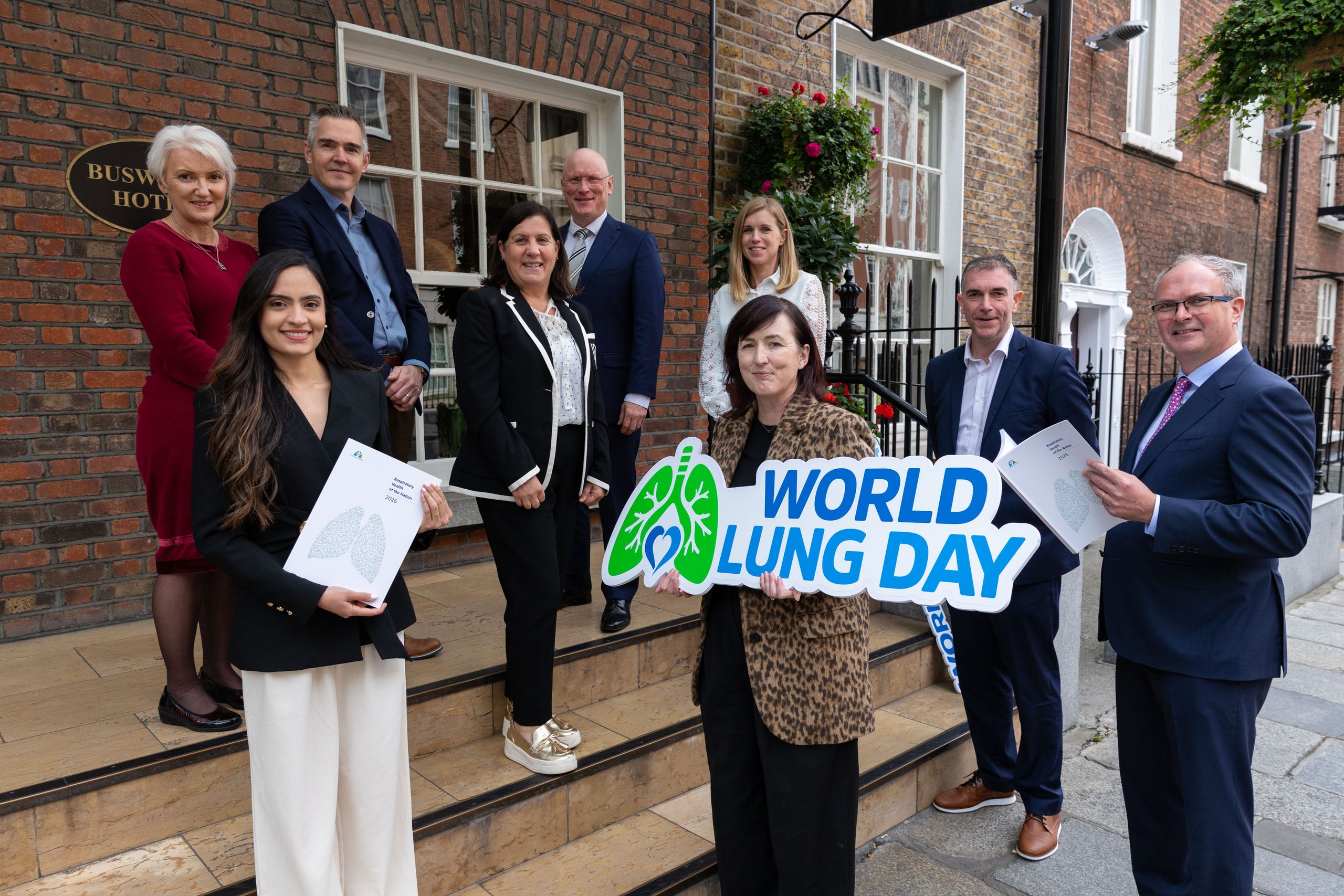
The Irish Thoracic Society (ITS) has published ‘Respiratory Health of the Nation 2026’, highlighting the significant burden of respiratory disease in Ireland and calling for a national respiratory strategy supported by dedicated funding. The report demonstrates that respiratory disease accounts for almost one in five deaths nationally, and is the leading cause of hospital inpatient admissions.
The data raise particular concerns about lung cancer, Ireland’s biggest cancer killer, with no national screening programme currently in place. Between 2019 and 2023, 61 per cent of lung cancers were diagnosed at stage three or four, when treatment outcomes are generally poorer.
Additionally, an estimated 380,000 people in Ireland are living with chronic obstructive pulmonary disease, according to the report findings, with approximately 70 per cent potentially undiagnosed. Meanwhile, around 450,000 people have doctor-diagnosed asthma, with provisional figures recording 94 asthma deaths in 2024, the highest number since 2016. Children’s respiratory health is also a concern, with respiratory conditions accounting for 23.7 per cent of paediatric inpatient admissions to acute hospitals in 2024.
More positively, the report highlights the success of the pilot respiratory syncytial virus (RSV) immunisation programme, which achieved over 80 per cent uptake and reduced hospitalisations among eligible infants by around 78 per cent.
Commenting on the data, Chief Executive of the ITS, Orla Veale, said: “While some of the respiratory data in this report is stark, it is important to note that there is real progress that we can build on for the future. The pilot infant RSV immunisation programme achieved 83 per cent uptake in 2024/2025 season and was followed by a 78 per cent reduction in RSV hospitalisations among infants born during the programme.
“Some 405,131 people enrolled in the GP-led Chronic Disease Management Programme now receive their routine care in the community. There is a great deal of excellent work under way across the country, but it needs to come together under a national respiratory strategy, so that services can learn from one another, use resources more efficiently, and deliver better outcomes for patients.”
The report also found that respiratory disease caused 6,832 deaths in 2024, accounting for 19.4 per cent of all deaths nationally. The annual societal cost was estimated at €15.1 billion in 2023. Access to specialist care remains a concern too, with 29,169 adults waiting for a first respiratory outpatient appointment in July 2026. Of these, 6,034 had been waiting more than a year. The report also warns that the respiratory consultant workforce must expand significantly to meet current and future demand.
Environmental and lifestyle factors are adding to the burden. Air pollution is estimated to cause more than 1,700 premature deaths annually, while Ireland is projected to fall short of new air quality standards due to take effect in 2030. The report also highlights ongoing challenges in tobacco control. Around 17 per cent of adults were current smokers in 2025, meaning Ireland missed its target of reducing smoking prevalence below 5 per cent. Meanwhile, e-cigarette use has doubled since 2021, reaching 8 per cent of the population and 18 per cent among people aged 15 to 24.
The ITS is urging the Department of Health to establish an expert steering group and introduce a properly funded national respiratory strategy to address growing demand, reduce preventable deaths, and improve access to care.








Leave a Reply
You must be logged in to post a comment.