


Reference: November-December 2026 | Issue 6 | Vol 19 | Page 28
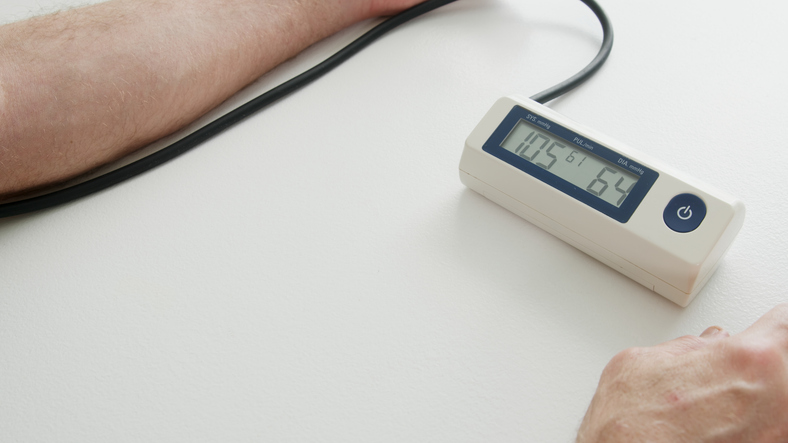
Idiopathic diastolic hypertension (IDH) is a subset of hypertensive heart disease and is relatively obscure in comparison to systolic hypertension. It generally manifests as an unexplained raised diastolic blood pressure (DBP) >80 to 90mmHg, while the systolic BP (SBP) is within normal limits. The definition is not internationally standardised, which impacts on epidemiological, research, and other considerations. This article explores these issues, the condition itself, and considerations for nurses who are recording, monitoring, and managing IDH.
Introduction
The measurement of BP has a fascinating 300-year evolutionary history.1 Earliest records circa 1700 show invasive experimentation by Stephen Hales (1677-1761) using a glass tube inserted arterially in horses to measure the oscillation of arterial blood column. It was not until mid-circa 1800 that the non-invasive sphygmomanometer was invented by Samuel von Basch (1837-1905), followed by an improved version developed 15 years later by Scipione Riva-Rocci (1863-1937).
The quintet phased audible sound system for auscultatory BP recordings was founded by Nikolai Korotkoff (1874-1920) in 1905. By circa 1970, electronic oscillometers were being introduced, which soon led to the mass production of a variety of home and ambulatory monitoring BP devices. Although the oscillatory devices are mercury-free, the digital BP measurements are traditionally recorded in the auscultatory format, not in the SI unit as kPa (eg, 120/80mmHg rather than 15/10kPa).
Recording BP
There are well-established protocols for BP measurement to improve the reliability of readings.2,3,4 Accuracy of BP reading is paramount and the prerequisites for good clinical practice include:
✽ BP monitoring devices regularly calibrated for accuracy
✽ Patients prepared for the procedure such that they are relaxed and calm and in a comfortable sitting or recumbent position
✽ Arm supported at precordial height
✽ Inflatable cuff of appropriate size applied properly above the antecubital fossa
✽ Stethoscope for the auscultatory method placed correctly over the brachial artery
✽ At least three readings consecutively
✽ No distractions during the procedure.2,4
Taking BP measurements can be a simple procedure, but a routine clinical task may be prone to bad practice habits and human error in a busy clinical setting. It is important to be cognisant of the clinical pitfalls when measuring BP. A miscount of the eponymous Korotkoff sound or missing a muffled diastolic sound (auscultatory gap) at certain cuff pressures may distort the DBP.5 It can overestimate the BP up to 10mmHg and may be compounded by a rise of 4.5mmHg from hydrostatic influences if the arm is in a position below the precordial line, which impacts on the diagnosis and staging of IDH.5,6 If the BP readings are different when recorded by different healthcare practitioners, it should be a red flag for errors in the technical skill, which should be periodically audited.2,4
A random BP reading may not be sensitive or specific for diagnosing IDH. It should be repeated at least three times and prudently considered for further BP readings in asymptomatic patients at follow-up clinics. Since the BP fluctuates due to the circadian rhythm, an average of multiple BP readings recorded at different times on different days and corroborated by home and ambulatory monitoring is more likely to be accurate. It is also well-recognised that a random BP reading may be unreliable due to confounding factors such as physical/emotional stress, exertion, stimulants, and orthostatic posture.3,4
The diagnosis of hypertension due to persistently raised arterial pressure should be confirmed by home or ambulatory BP monitors.4 It has added benefit of more confidence in the BP readings, and may show a discrepancy of a 20/10mmHg between the ‘white coat’ hypertensive effect and the average daytime BP reading.3,4 On the contrary, BP readings may be normal (masked hypertension) in ‘white coat’ hypertension but raised when recorded by home or ambulatory monitors.4 Curiously, about 50 per cent of patients diagnosed with IDH may be normotensive on repeat assessment.7,8
Aetiopathology of IDH
The aetiopathology of IDH is undetermined, but it is associated with known cardiovascular risk factors such as family history, obesity, dyslipidaemia, diabetes mellitus, hypothyroidism, chronic renal disease, smoking and alcohol consumption, unhealthy diet, sedentary activity, and probably coronary artery disease. However, not all patients with IDH are prone to such risks.4,8,9 It is more common in younger patients (<55 years) with a low cardiac risk factor, and twice as common in men – but uncommon in older patients (>55 years), who are at increased risk of cardiovascular disease.7,9,13
Discussion
According to the National Institute for Health and Care Excellence (NICE) and World Health Organisation (WHO), sustained SBP >140mmHg and DBP >90mmHg are arbitrary cut-off thresholds to define hypertension at which therapeutic intervention has shown to outweigh risks.4,10 Hypertension due to a raised SBP is a global health phenomenon posing lesser diagnostic and therapeutic challenges than IDH, which is a relatively less-known hypertension phenotype, and its medical diagnosis and clinical management can be controversial. Additionally, although IDH is commonly diagnosed when there is an unexplained raised DBP >80 to 90mmHg with SBP within normal limits, the definition is not internationally standardised.9
The American College of Cardiology (ACC)/American Heart Association (AHA) guideline (updated in 2025) states DBP >80mmHg, but according to the NICE guideline (revised in 2026) and the European Society of Cardiology/European Society of Hypertension guidelines – updated in 2024 – it is >90mmHg.4,9,11,12 The WHO guideline – reaffirmed in 2021 – defines a DBP >90mmHg.10 There is no definitive guideline for IDH but DBP >80 with SBP <130mmHg is generally grouped as stage 1 and DBP >90 with SBP <140mmHg as stage 2.7
The absence of standardised DBP thresholds may affect the demographic selection of patient subgroups included in prospective studies and hinder research designed to provide insights into the pathophysiology and clinical management of IDH.9 The incidence of IDH is estimated to be <20 per cent of adult hypertension cases.7 However, the prevalence of IDH has artificially increased from 1.3 per cent to 6.5 per cent due to a lowered DBP from >90 to >80 in the ACC/AHA guidelines.7,9,13
Management
Identifying cardiovascular risk in hypertension is of primary concern for the prevention of complications.14 A risk assessment should be made after a full medical history and examination of the patient has taken place, supplemented by clinical and pathological investigations.14
Pathological management in hypertension mandates basic blood and urine laboratory tests for electrolytes, creatinine, cholesterol, high density lipid, glycated haemoglobin, and proteinuria.15 It may involve further investigations such as 12-lead ECG (electrocardiogram) and radiology to exclude a secondary cause of diastolic hypertension.15 It is essential to prevent a misdiagnosis of IDH by considering and assessing secondary causes of hypertension such as chronic kidney disease, aortic coarctation, renovascular stenosis, and thyroid, adrenal, and pancreatic gland disorders.15
Management strategies differ by age, cardiovascular risk, and specific clinical guidelines. The pharmacological therapy to lower the DBP in younger patients may risk coronary ischaemia or stroke by diminishing the blood circulation.8,9
Similarly, treating an older patient by lowering the DBP may compound a cerebrovascular complication due to a disturbance of the autoregulatory mechanism.13 This could also occur in patients with a high DBP in conjunction with hypertensive encephalopathy or acute subarachnoid haemorrhage. An assessment of any benefit from therapeutic intervention should take into consideration idiosyncratic symptoms and signs in the patient.7
Guidelines for the management of hypertension are not specific on pharmacological therapeutic benefits in IDH due to a lack of rigorous data.7,9 Younger patients with an adverse cardiovascular risk may benefit from a lowered DBP but the therapeutic intervention in an asymptomatic patient with a normal SBP is controversial.7,9,13
Studies on treatment benefits of IDH in younger patients have been observational and lack evidence of improved clinical outcomes from pharmacological intervention to reduce high cardiovascular risk.7 The interpretation of DBP and therapeutic benefits in older patients is more complex and inconsistent due to limitations of health outcome studies in this age group.7
The ACC/AHA BP guideline recommends lifestyle modifications and starting antihypertensive medication carefully in younger patients with stage 1 IDH.7 Although there is no definitive drug regime for IDH due to deficient research, close observation with periodic BP evaluation for patients with stage 1 IDH is recommended.8,9 In older patients, pharmacology treatment with antihypertensive drugs in conjunction with improved lifestyle habits has shown to be beneficial in some studies.7,9
The healthcare consensus is to offer medical advice and correct an unhealthy lifestyle behaviour in the long term.4,9,14 This may entail a healthy diet like DASH (dietary approaches for stopping hypertension) with low sodium and sugar intake, losing excess body weight, taking regular physical exercise, cutting down or giving up smoking and alcohol, and monitoring BP regularly.4,9,14
Conclusion
The pros and cons arguments about medical diagnosis and management of IDH in the literature has stimulated a healthy debate, but no advancement has been made in understanding the aetiology and pathophysiology of the disorder.7,8,9 IDH seems to be a moving target subject to interpretation by new studies.9 A school of thought casts doubt on whether IDH indeed is a relevant phenotype since not all patients with IDH present with cardiovascular risks and anecdotal cases show patients with diastolic hypertensive may be normotensive on repeat assessment.7,8,9
IDH poses a diagnostic challenge in asymptomatic younger patients, in particular, and it may evade capture or be misdiagnosed in busy clinic settings. It is recommended that the correct procedures for BP measurement are always followed. An average of multiple BP readings should be taken to confirm the diagnosis. The BP readings should be confirmed by 24-hour ambulatory monitoring for more reliability.
The clinical management of IDH is controversial and a medical decision whether to intervene therapeutically or observe conservatively will depend on the idiosyncrasy and individual case assessment. However, general health advice to maintain DBP below 80mmHg and minimise known cardiac risk factors in IDH has proven benefits.
Acknowledgement
We thank Fatima Oz, BSc, and Sarah England, BA, for the help and support in producing this article.
References
- Diegel UA. Short history of blood pressure. Health Works. Paris. 2018. Available at: https://bloodpressurehistory.com.
- Jevon P. Blood pressure 1: Key principles and types of measuring equipment. Nursing Times. 2020;116(7):36-38.
- Jevon P. Blood pressure 2: Procedures for measuring blood pressure. Nursing Times. 2020;116(8):26-28.
- National Institute for Health and Care Excellence. Hypertension in adults: Diagnosis and management. NICE Guideline No 136; 2019.
- 5 Blank SG, West JE, Müller FB, et al. Characterisation of auscultatory gaps with wideband external pulse recording. Hypertension. 1991;17(2):225-233. doi:10.1161/01.hyp.17.2.225.
- Liu H, Zhao D, Sabit A, et al. Arm position and blood pressure readings: The ARMS crossover randomised clinical trial. JAMA Intern Med. 2024;184(12):1436-1442. doi:10.1001/jamainternmed.2024.5213.
- Yano Y, Kim HC, Lee H, et al. Isolated diastolic hypertension and risk of cardiovascular disease: Controversies in hypertension – pro side of the argument. Hypertension. 2022;79(8):1563-1570. doi:10.1161/HYPERTENSIONAHA.122.18459.
- Jacobsen AP, McKittrick M, Daya N, et al. Isolated diastolic hypertension and risk of cardiovascular disease: Controversies in hypertension – con side of the argument. Hypertension. 2022;79(8):1571-1578. doi:10.1161/HYPERTENSIONAHA.122.18458.
- Romero CA, Tabares AH, Orias M. Is isolated diastolic hypertension an important phenotype? Curr Cardiol Rep. 2021;23(12):177. doi:10.1007/s11886-021-01609-w.
- World Health Organisation. Guideline for the pharmacological treatment of hypertension in adults. Geneva: WHO; 2021. Available at: www.who.int/publications/i/item/9789240033986.
- 2025 ACC/AHA guideline for the prevention, detection, evaluation, and management of high blood pressure in adults: A report of the American College of Cardiology/American Heart Association joint committee on clinical practice guidelines. J Am Coll Cardiol. 14 August 2025. doi.org/10.1016/jacc.2025.05.007.
- 2024 ESC Guidelines for the management of elevated blood pressure and hypertension: Developed by the task force on the management of elevated blood pressure and hypertension of the European Society of Cardiology and endorsed by the European Society of Endocrinology and the Hypertension and European Stroke Organisation. EuroHeart J. 2024; 45(38):3912-4018. doi:10.1093/eurheartj/ehae178
- Chrysant SG. The clinical significance of isolated diastolic hypertension. Postgrad Med. 2020;132(7):624-628. doi:10.1080/00325481.2020.1788294.
- National Institute for Health and Care Excellence. Scenario: Assessing cardiovascular risk. NICE. July 2025. Availablt at: https://cks.nice.org.uk/topics/cvd-risk-assessment-management/management/cvd-risk-assessment.
- National Institute for Health and Care Excellence. Secondary cause of hypertension. NICE. Jan 2026. Available at: https://cks.nice.org.uk/topics/hypertension/background-information/secondary-causes-of-hypertension.










Leave a Reply
You must be logged in to post a comment.