NOTE: By submitting this form and registering with us, you are providing us with permission to store your personal data and the record of your registration. In addition, registration with the Medical Independent includes granting consent for the delivery of that additional professional content and targeted ads, and the cookies required to deliver same. View our Privacy Policy and Cookie Notice for further details.
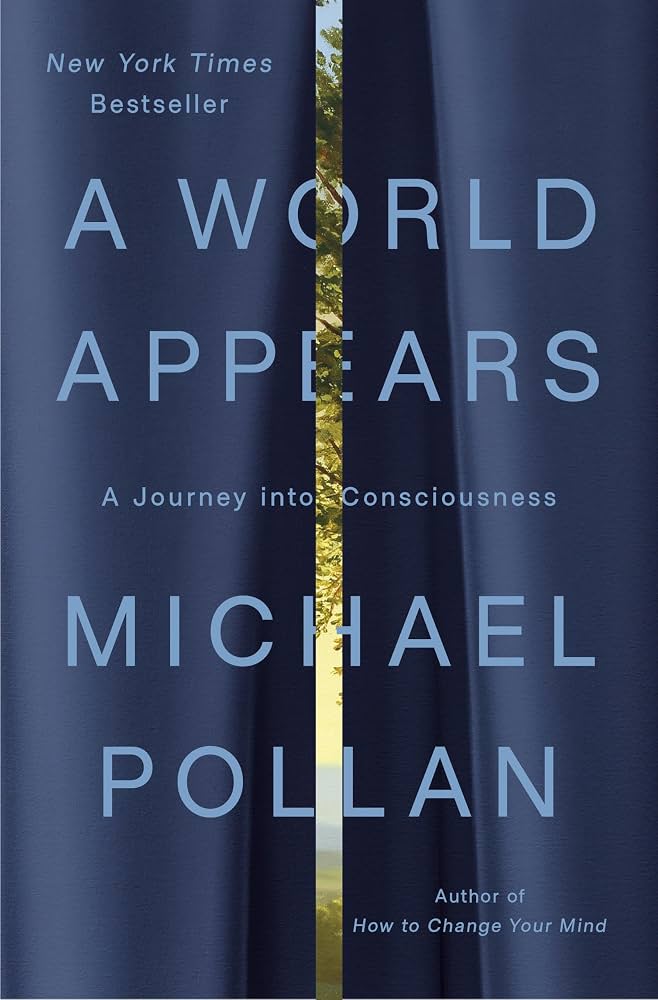
Title:A World Appears: A Journey Into Consciousness
Author: Michael Pollan
Publisher: Allen Lane
Reviewer: Prof Brendan Kelly
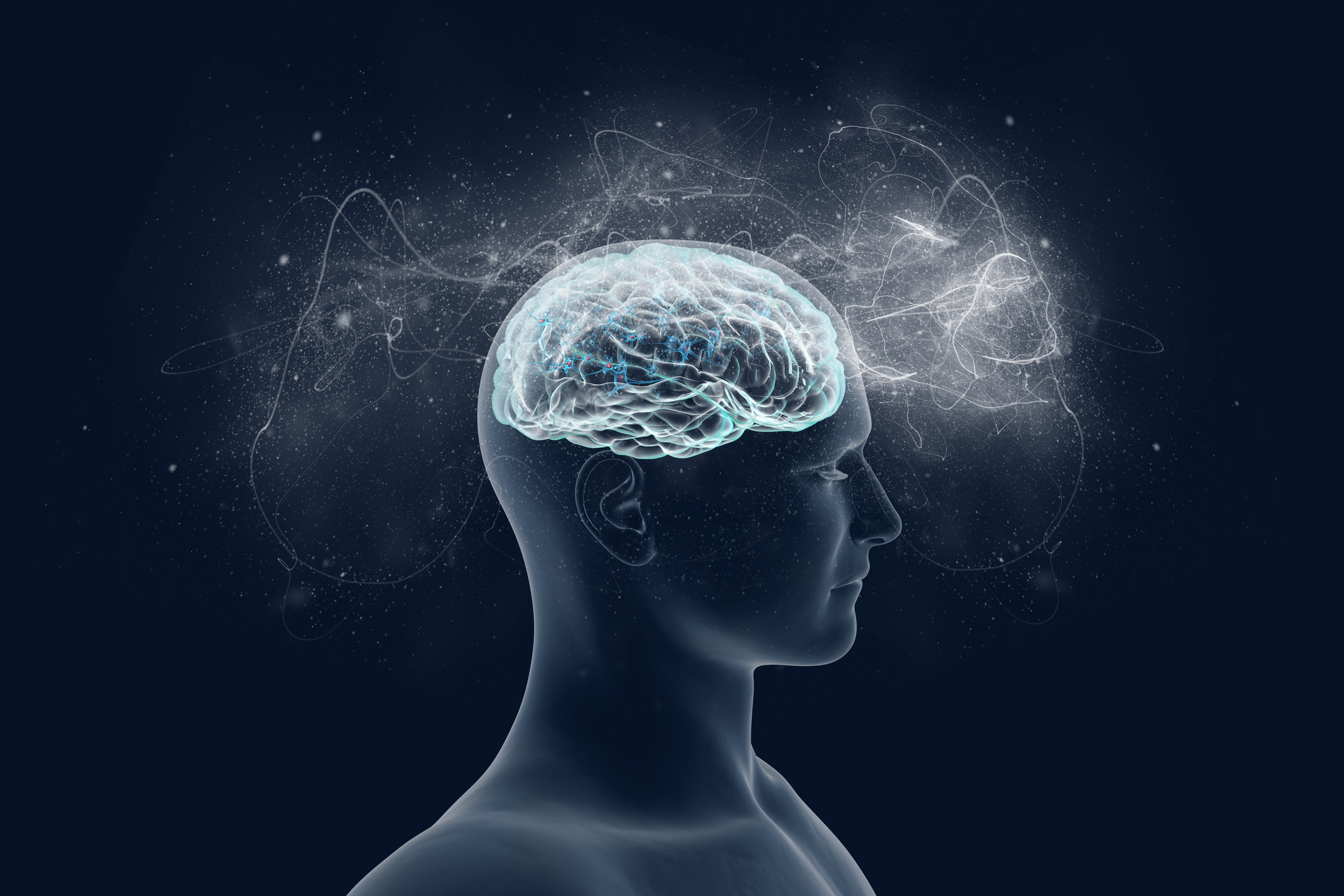
Consciousness remains one of the most elusive subjects in science and medicine. It is at once intimate and inaccessible, foundational yet poorly understood. In A World Appears: A Journey Into Consciousness, Michael Pollan turns his attention to this enduring mystery, bringing to it the same blend of curiosity, narrative skill, and intellectual openness that characterised his earlier work on psychedelics. The result is an engaging and wide-ranging exploration of how we experience the world and how little we truly understand about that experience.
Michael Pollan
Consciousness as landscape
Pollan approaches consciousness not as a problem to be solved definitively, but as a landscape to be explored from multiple vantage points. Drawing on neuroscience, philosophy, psychology, and subjective experiences, he assembles a narrative that is both accessible and intellectually ambitious. The book moves fluidly between laboratory findings and lived experience, introducing readers to researchers and thinkers grappling with questions that resist easy answers. In doing so, Pollan functions less as a theorist than as a guide, accompanying the reader through a field marked as much by uncertainty as by discovery.
The ‘hard problem’
Central to the book is the so-called ‘hard problem’ of consciousness, a term associated with the philosopher David Chalmers. How does the physical activity of the brain give rise to subjective experience and to the felt quality of being? Pollan does not claim to resolve this question, but he conveys its significance with clarity and immediacy. He explores competing theories and maintains a careful balance between openness to new ideas and respect for scientific evidence.
As in his earlier work, particularly How to Change Your Mind, Pollan devotes considerable attention to altered states of consciousness, especially those induced by psychedelics. These experiences are presented as windows into the workings of the mind, capable of disrupting habitual patterns of thought and perception. While this perspective is often illuminating, it occasionally risks overstating the extent to which such states can explain consciousness more broadly. From a clinical standpoint, the emphasis on transformative experiences may sit uneasily alongside the realities of psychiatric practice, where altered states more commonly tend to be distressing, disorganising, or pathological.
Constructed self
One of the more compelling themes in the book is the idea of the self as a constructed and, at times, fragile entity. Pollan examines various challenges to the notion of a unified, stable self, instead suggesting a more dynamic and contingent process. This has clear resonance for psychiatry, where disruptions of self-experience are central to many conditions. Pollan’s account, while not clinical in focus, nonetheless encourages a more nuanced appreciation of subjectivity and its variations.
At the same time, the book highlights an ongoing tension between objective measurement and subjective report. Advances in brain imaging and cognitive science have undoubtedly deepened our understanding of neural processes, yet they have not bridged the explanatory gap between brain and experience. Even the most sophisticated technologies cannot fully capture what it is like to perceive, feel, or think.
For medical readers, A World Appears offers both insight and provocation. It does not provide definitive answers, nor does it claim to do so. Instead, it invites reflection on questions that lie at the heart of clinical practice: What is the nature of experience? How do brain and mind relate? And how should clinicians navigate the space between measurable phenomena and subjective realities?
In the end, Pollan’s achievement lies in making a complex and often abstract subject both engaging and relevant. His account is at its strongest when conveying the wonder and uncertainty that continue to surround consciousness. If the book occasionally leans towards speculation, it does so in the spirit of exploration rather than assertion. For clinicians and general readers alike, it offers a thoughtful and accessible entry point into one of the most profound questions in science and medicine.
In the end, Pollan’s achievement lies in making a complex and often abstract subject both engaging and relevant
Prof Brendan Kelly is Professor of Psychiatry at Trinity College Dublin and author of Buddhism and Psychiatry: Moving Beyond Mindfulness in Mental Health Care (Open access: https://link.springer.com/book/10.1007/978-3-031-96045-1).







Leave a Reply
You must be logged in to post a comment.