







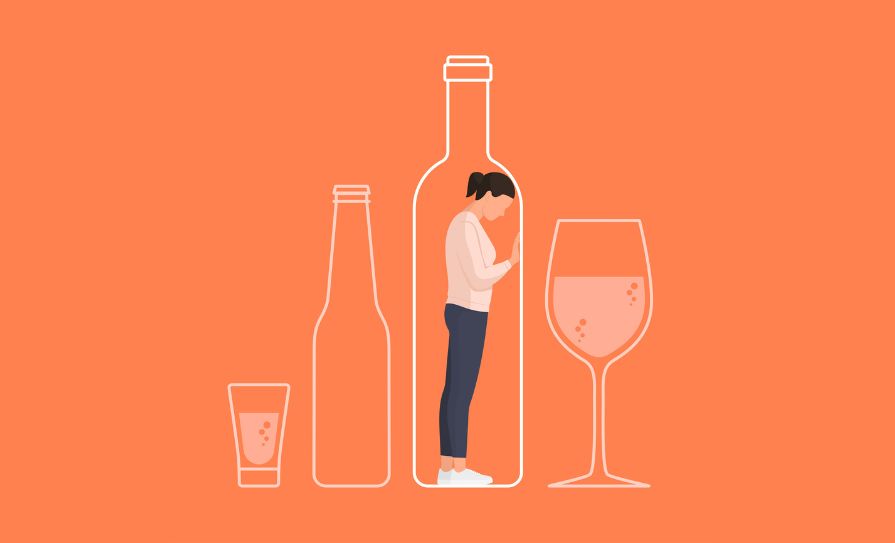
The national low-risk alcohol guidelines are under review for the first time in over a decade. David Lynch reports
Ireland’s low-risk alcohol guidelines were last updated in 2015. With the guidelines currently under review, many health experts believe this represents an opportunity to positively impact trends in alcohol use.
Last month, HIQA published two reports to support the review (see panel p5). One report modelled alcohol-attributable mortality risks and hospital admission rates in Ireland. The other was a systematic review on the association between alcohol consumption and mental health outcomes.
This research had been sought by the Department of Health to inform its revision of the low-risk alcohol guidelines. A Department spokesperson said the guidelines are being reviewed “in order to ensure that they reflect the current best evidence, so that consumers can make informed choices” about their alcohol consumption.
“Arrangements in relation to the next phase of the [review] process are currently being finalised,” the spokesperson told the Medical Independent (MI). The Department did not provide a timeframe for the completion of the review.
The current low-risk guidelines advise less than 11 standard drinks for women and 17 standard drinks for men per week. A standard drink in Ireland includes a pub measure of spirits (35.5ml), a small glass of wine (12.5 per cent volume), and a half pint of ‘normal beer’. If people choose to consume alcohol, drinks should be spread out over the week with two to three alcohol-free days.
Surveys
The most recent Healthy Ireland Survey, published in November, found that 71 per cent of individuals aged 15 and older reported consuming alcohol during the previous 12 months (see panel p6). This compared with 73 per cent in 2024. The survey also found 35 per cent of people drank at least once a week, down from 38 per cent in 2023. The survey stated 26 per cent of the population were ‘binge drinkers’ (consuming at least six standard units of alcohol on a typical drinking occasion). This compared with 30 per cent in the first survey in 2015.
As with overall alcohol consumption, harmful drinking rates have decreased for both men and women since 2015. However, this drop is not equally shared across all ages or genders.
For example, while both men and women aged 25–34 saw a “considerable decrease” in harmful drinking rates, among those aged 15–24 there was an eight-point increase for women and no change for men. It is against this shifting backdrop that the low-risk guidelines are being reassessed.
Opportunity
“I think a review is long overdue and a great idea,” said Prof Frank Murray, Consultant in Hepatology and Gastroenterology and Chair of Alcohol Action Ireland.

Prof Murray said the recent HIQA reports are “very strong” publications that make the case for reviewing the guidelines.
Internationally, alcohol guidelines have been “getting progressively better” over time.
“The reason for that is there is more objective evidence,” Prof Murray told MI. He said a lot of the research in the past made false conclusions around the supposed health benefits of alcohol and many of those studies had conflicts of interest.
He said the HIQA reports present a “strong argument” for reviewing the guidelines. He added that in his opinion the information in the documents also make the case for “probably bringing down”the current guideline levels.
“Now, I don’t think we should be trying to eliminate alcohol from society at all,” he said. “That would be a fundamental mistake. Prohibition has been tried elsewhere, and it doesn’t work. But I think trying to dramatically reduce the level of alcohol consumption is a very important target.”
Prof Murray is convinced that alcohol guidelines fulfil an important public health function and remain a useful tool for clinicians and the public.
“Where do most people get most of their information about alcohol? They get it from alcohol company advertisements that mis-sell the ‘truths’ of alcohol. They sell a kind of mythic expression of alcohol’s ‘benefits’ for you. So it is really important that we have guidelines to counterbalance the harmful impact of alcohol advertising and consumption.”
Canada
The review process should be used as an opportunity to “reformulate” the guidelines in a way that makes them more effective. Prof Murray highlighted the benefit of the graduated risk approach used in the Canadian guidelines.
They adopt “a graded risk approach, as opposed to stating just one figure like we have, and they have in the UK”, he noted.
According to these guidelines, zero drinks are considered ‘no-risk’; one to two standard drinks per week is ‘low-risk’; three to six is ‘moderate’; while seven or more is increasingly ‘high-risk’. In Canada, a standard drink is 13.45 grams of pure alcohol, which is higher than in Ireland (10 grams).
The public health stakes are high when it comes to the negative health impacts of alcohol use.
“You don’t need to be a rocket scientist to see that Ireland is hugely challenged by alcohol,” Prof Murray said. He said most people in this country have “a family member or a close friend harmed by alcohol”.
“So it’s really important that we counter the industry advertising and marketing, which in my view is really harmful, especially to vulnerable individuals, especially youngsters.”
Guidelines must reflect that the quantity of alcohol consumed is a crucial factor in potential harm. “It is important to try and discourage people from binge drinking,” said Prof Murray.
“Binge drinking levels in Ireland are among the highest in the world. So we have a particular problem here. People, when they consume alcohol, tend to consume very large quantities.”
Evidence
Consultants in Public Health Medicine have also been vocal regarding the importance of the Public Health (Alcohol) Act and related measures.
According to Dr Niamh Dever, executive member of the Irish Society of Specialists in Public Health Medicine (ISSPHM), public health decisions should be based on the best available evidence to ensure that interventions are effective and efficient.
Given that Ireland’s low-risk alcohol guidelines were last revised in 2015, the ISSPHM welcomed the HIQA reports.
Dr Dever noted the reports are based on new evidence and improved quantitative modelling methods that enable a more accurate estimation of the health risks associated with different levels of alcohol consumption.
It is well known that excess alcohol consumption is associated with ill health effects and injuries, she stated. Dr Dever pointed out that HIQA’s research found a clear link between increased alcohol consumption and death, at any age, and hospital admission rates.
“[The research] also found, contrary to previous guidance, a substantial amount of risk occurred among people drinking lower levels of alcohol, indicating that Irish low-risk alcohol guidelines may need to be reconsidered to accurately highlight the risk at lower levels of alcohol consumption,” she told MI.
The HIQA research found that the way in which alcohol is consumed also matters. People who drink the same amount each week may have different risks depending on whether they spread drinking across the week, or they drink a lot in short amounts of time. More concentrated levels of drinking across fewer days of the week were found to be associated with higher risk.
“We [the ISSPHM] would like to see the Irish low-risk alcohol guidelines being reviewed in light of this new evidence and reports,” Dr Dever said.
“These findings also again highlight the myth of health harms only resulting from individual problematic drinking and show that reducing alcohol consumption, even among those consuming lower amounts, has substantial population-level health benefits.”
The impact of alcohol across many diseases has also been highlighted by a number of health charities.
Mr Kevin O’Hagan, Cancer Prevention Manager with the Irish Cancer Society, noted that alcohol has been classified as a group 1 carcinogen, the highest risk category, placing it in the same class as tobacco and asbestos.
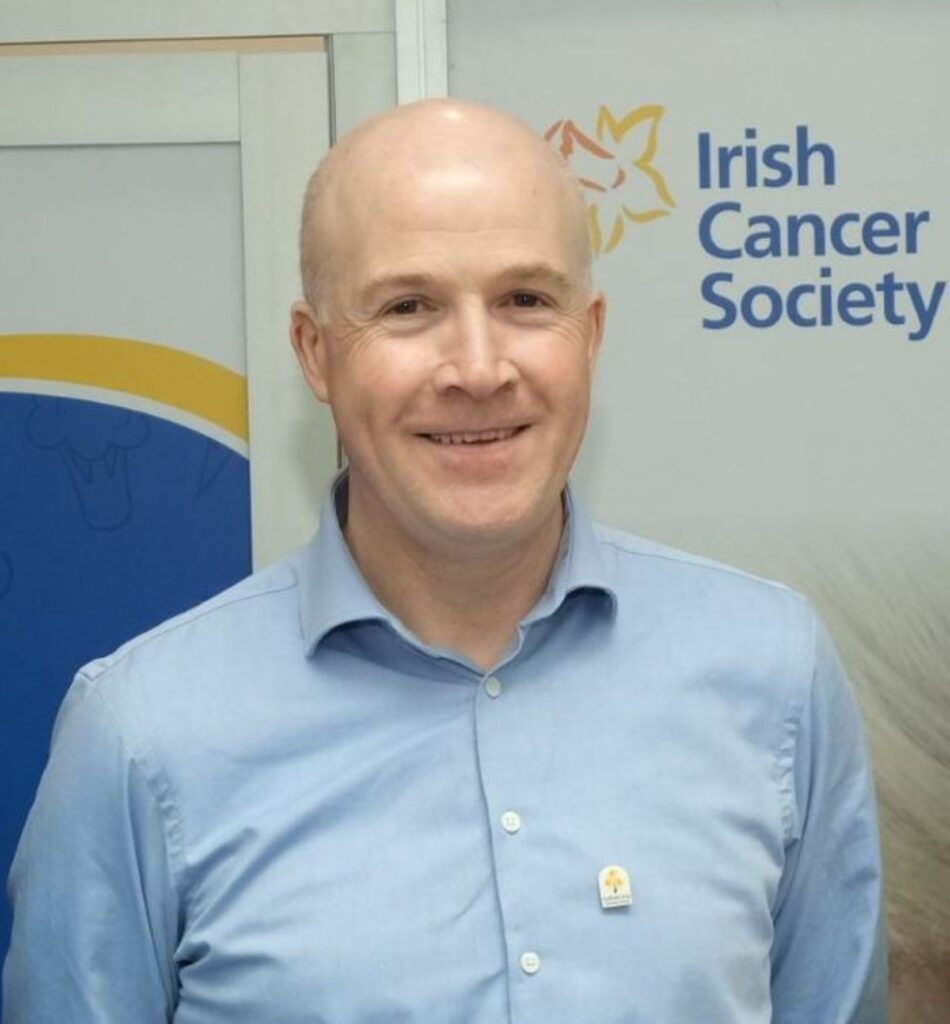
According to the World Health Organisation (WHO), there is no level of alcohol consumption that is risk-free. Alcohol consumption is found to play a causal role in more than 200 diseases, injuries, and other health conditions. The WHO has said alcohol consumption increases the risk of several cancers, including breast, liver, head and neck, oesophageal, and colorectal cancers.
Despite this risk, Mr O’Hagan told MI that public awareness of the link between alcohol and cancer “remains alarmingly low”.
He highlighted HSE research that found only 38 per cent of people in Ireland are aware that drinking alcohol increases the risk of developing cancer. In contrast, the research showed 76 per cent are aware that smoking causes cancer.
ECAC5
One body of evidence he noted is the recently published fifth edition of the European Code Against Cancer (ECAC5): (https://cancer-code-europe.iarc.who.int/).
During the development of the ECAC5, some 80 experts reviewed the latest scientific evidence on cancer prevention and used modern communication strategies to update the previous edition.
According to Mr O’Hagan, the ECAC5 code includes population-level recommendations, aiming to structurally influence the systems that shape individual choices and improve environmental conditions to which all citizens are involuntarily exposed.
Health challenges from alcohol consumption are a continent-wide public health issue.
The ECAC5 refers to research that found 29 per cent of adults in the European Union (EU) consumed alcohol weekly in 2019. Another 23 per cent consumed alcohol on a monthly basis.
Mr O’Hagan also pointed out alcohol consumption is one of the main risk factors for cancer in the EU.
Further evidence cited in the ECAC5 shows that light to moderate alcohol consumption was associated with nearly 23,000 new cancer cases in the EU in 2017, representing 13.3 per cent of all alcohol-attributable cancers. Almost half of these cases – approximately 11,000 – were female breast cancers.
Europe is the region with the highest global share of alcohol-attributable cancer cases.
“Clear, evidence-based, statements on cancer risk factors and effective preventive interventions will empower citizens to make healthier choices, call policymakers to act, foster public support for effective policies, and contribute to more effective cancer prevention,” said Mr O’Hagan.
Irish Heart Foundation
The Irish Heart Foundation (IHF) also welcomed “these timely and important” HIQA reports.
Ms Janis Morrissey, IHF Deputy CEO and Director of Service, said the findings reinforce what the literature has increasingly highlighted: That alcohol consumption raises the risk of serious illness and premature death, and these risks rise as consumption increases.

“Of particular importance is the report’s finding that a substantial proportion of alcohol-related harm occurs among people drinking at lower levels of consumption, not just among heavy drinkers or those who are alcohol dependent,” she told MI.
The IHF believes the review should lead to stronger public health action and a renewed commitment to evidence-based alcohol policy.
“First, the findings provide a strong case for updating the low-risk alcohol guidelines to reflect the latest evidence showing that health risks arise even at relatively low levels of alcohol consumption,” said Ms Morrissey.
“Second, Ireland’s alcohol health information labelling regulations should be implemented without any further delay.”
She said the Government should recommit to the “full implementation” of the Public Health (Alcohol) Act and ensure that all measures designed to reduce alcohol harm are delivered as intended.
Ms Morrissey said she hoped that the review would encourage a more coherent, whole-of-government approach to reducing alcohol-related harm.
“Guidelines such as these are critically important because they provide the public, healthcare professionals, and policymakers with a clear, evidence-based understanding of alcohol-related risk.”
She noted that the HIQA research demonstrated that alcohol-related harm “exists on a continuum” rather than beginning at a single threshold. It showed that lifetime risks of premature death, death at any age, years of life lost, and hospital admissions, all increase as alcohol consumption increases.
“Healthcare professionals rely on national guidelines when discussing alcohol use with patients. Ensuring that these guidelines reflect the latest evidence is essential to supporting informed decision-making and encouraging healthier behaviours.”
Healthcare professionals rely on national guidelines when discussing alcohol use with patients
Updated guidelines can help communicate this reality in a clear, practical and meaningful way for the public, she said.
The growing evidence for change
In December 2024, the Medical Independent (MI) reported that the low-risk alcohol guidelines would be updated after HIQA completed an evidence review and modelling analysis.
At the time the Department of Health said other jurisdictions, including Australia, France, and the UK, had updated their guidelines “through systematic reviews of the evidence, statistical modelling analyses, consultation and publication”.
The spokesperson said that Ireland was taking “the same approach”.
Now, a year and a half later, two HIQA reports have been published: Modelling alcohol-attributable mortality risks and hospital admission rates in Ireland and A systematic review on the association between alcohol consumption and mental health outcomes.
Prof Frank Murray, Consultant in Hepatology and Gastroenterology and Chair of Alcohol Action Ireland, had high praise for both documents.
“They talk about the risks of alcohol, the number of people who die every year, the risk of premature death,” he told MI.
“They extensively look at the health risk to the individual drinker. What they don’t look at, and they are very careful to state this, is the broader harm. The harm to others, the harm to children, families, motor incidents, and so on.”
But he said the two reports form the basis for the review of the guidelines and to lower the definition of low-risk levels “to figures which I think reflect the risk of alcohol”.
The first of the HIQA reports modelled the risk of death and admission to hospital due to alcohol consumption, using Irish mortality, hospital admission, and alcohol consumption data to characterise the risks at different levels of alcohol consumption. Between 2022 and 2024 in Ireland, alcohol was estimated to account for an average of 1,420 deaths and 27,066 hospital admissions each year, according to HIQA.
The Authority said since the guidelines were last revised in 2015, new evidence and improved quantitative modelling methods have enabled more accurate estimation of the health risks associated with different levels of alcohol consumption.
The report found that the risk of death before age 75, death at any age, years of life lost, and the rate of hospital admissions, all grew in line with increasing alcohol consumption. A substantial amount of risk occurred among people drinking lower levels of alcohol, indicating that Irish low-risk alcohol guidelines “may need to be reconsidered to accurately highlight” the risk at lower levels of alcohol consumption.
“We also found that the pattern of alcohol consumption has an impact, with more concentrated levels of drinking across fewer days of the week bringing higher risk,” stated HIQA.
The estimated difference in risk between sexes was minimal, suggesting there is no strong basis for sex-specific thresholds, which are part of the current guidelines.
The research showed “a clear link between increased alcohol consumption and mortality and hospital admission rates”, said HIQA’s Deputy Director of Health Technology Assessment, Ms Michelle O’Neill.
“This tells us that Ireland’s low-risk guidelines may need to be reviewed to help people understand the risks associated with alcohol and make informed choices.”
The second HIQA report was a systematic review of international evidence on the association between alcohol consumption and mental health. This review examined 104 international studies on the link between alcohol and the presence or later development of mental health outcomes such as depression, anxiety, and suicidal thoughts.
Overall, the review found mixed evidence of an association between alcohol consumption and mental health outcomes.
The HIQA report noted that harmful drinking patterns have been linked to increased depressive and anxiety symptoms in Ireland. “It has also been reported that alcohol is frequently involved in self-harm presentations to hospital emergency departments, and suicide deaths, highlighting its relevance as a public health concern in Ireland.”
The statistics behind our alcohol consumption
The Healthy Ireland Survey is an annual survey conducted with a representative sample of the population. The 2025 report marked 10 years since the publication of the first survey.
Some of the alcohol-related findings from the most recent survey include:
▶ 20 per cent of respondents said they drink multiple times per week, a slight decrease from 2023 (21 per cent).
▶ 26 per cent of the population are ‘binge drinkers’ on a typical drinking occasion, which is four points below the percentage found in 2015 (30 per cent). Binge drinking is defined as consuming at least six standard units of alcohol on a typical drinking occasion.
▶ Men are more likely than women to binge drink (40 per cent and 12 per cent respectively), with younger people more likely to do so than older people (36 per cent of 15–24-year olds: 7 per cent of over 75-year-olds).
▶ 25 per cent of the population said that they drink non-alcoholic beer, wine, or spirits.
▶ 56 per cent of people who drink non-alcoholic drinks said they do so when they need to drive home. The survey found 29 per cent said they drink them to reduce alcohol consumption for health reasons, and 16 per cent said they do so when they need to get up early the next day. Finally, 13 per cent said they drink non-alcoholic drinks because they prefer them to regular alcoholic drinks.
▶ Men (29 per cent) are more likely than women (11 per cent) to be at risk of hazardous drinking. People aged 15 to 24 have the highest rate of hazardous drinking for both men (39 per cent) and women (25 per cent).
▶ People educated with a degree or higher (17 per cent) are less likely to be at risk of hazardous drinking, whereas people educated to upper secondary level (25 per cent) are more likely to be at risk of hazardous drinking.
▶ Students (46 per cent) are more likely to be at risk of hazardous drinking, whereas those engaged in home duties (7 per cent) and people in retirement (10 per cent) are less likely to be at risk.








Leave a Reply
You must be logged in to post a comment.