NOTE: By submitting this form and registering with us, you are providing us with permission to store your personal data and the record of your registration. In addition, registration with the Medical Independent includes granting consent for the delivery of that additional professional content and targeted ads, and the cookies required to deliver same. View our Privacy Policy and Cookie Notice for further details.
The real problem is not just how many people are on waiting lists, but how little we know about them
Some years ago, part of my job as a junior registrar involved virtual consultations with patients who had been waiting months, sometimes years, for hospital appointments. Most conversations were straightforward. The majority of people had recovered, but some still needed a follow-up. Others simply wanted reassurance that they had not been forgotten.
Then there were the other calls. At the end of the call would be a son, a daughter, a spouse. I would ask for the patient, and there would be an awkward pause. Then, gently, they would explain that the person I was calling about had died. Sometimes years earlier.
However, the name was still on the waiting list.
Those conversations have stayed with me.
National list
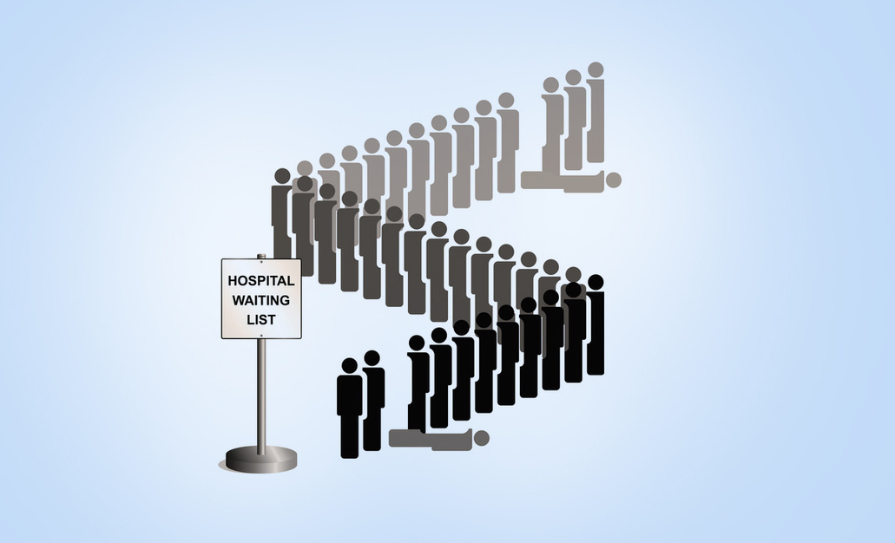
Recently, the Irish health system passed an unwanted milestone: Over one million people are now waiting for hospital care. According to the latest National Treatment Purchase Fund figures, 1,008,600 people were on some form of waiting list at the end of May.
A million people. While we might know the size of the queue, we understand surprisingly little about the people in it.
When the latest figures were released, the debate followed a painstakingly familiar pattern. The same explanations were offered once again: A lack of beds, staffing shortages, delayed discharges, inadequate community services. All of these points are valid. Ireland has a capacity problem. Anyone working in the health service can see it. But after close to 15 years in the system, I have become convinced that capacity is only part of the story. Every year, I have seen new beds open, fill up immediately, and watched the trolley count stay exactly where it was.
Review
Earlier in my career, while reviewing specialist outpatient waiting lists and carrying out virtual consultations, I sometimes came across patients whose continued presence on a follow-up list was difficult to explain. It wasn’t a common occurrence, but it was enough to be memorable. Some of these cases made perfect sense. Often a follow-up appointment after an acute illness and hospital admission is exactly what is needed. In some specialties, like care for the elderly, keeping long-term contact with a vulnerable older patient can prevent more significant problems developing down the line.
But there were also patients who seemed to remain in the system simply because nobody had ever stopped to ask whether they still needed to be there.
Over time, that changes what a waiting list actually represents. Instead of telling you who needs care, it starts telling you who has managed to stay in the system.
If you were to look closely at the national figure, the picture is likely more nuanced than it first appears. Somewhere in that million are people getting steadily worse while they wait. But somewhere else are people who no longer need the appointment at all.
If you were to look closely at the national figure, the picture is likely more nuanced than it first appears
The problem is that currently the waiting list figures cannot distinguish between the two, and that should concern us.
Fragmented data
The system already produces lots of data. Every day hospitals generate a stream of information through admissions, discharges, prescriptions, clinic visits, scans, disease progressions, and treatments. Deaths are registered. Discharge summaries are written. Pharmacy records are collected.
However, these strands of information usually sit in different silos and rarely meet. There is a fundamental lack of connection between them. A patient can engage with multiple parts of the health service while waiting, but the overall journey is often difficult to piece together. Yes, there are plans for a national electronic health record, which should help, but it remains to be seen when and how this is rolled out.
The waiting list figures that make the headlines are published largely as totals by hospital and specialty. They tell us how many people are waiting, but very little about who is waiting, how sick they are, whether they are deteriorating, or in some cases whether they are even still alive.
The result of this is that we can end up planning around the queue instead of the patients. Imagine two patients who have both been waiting a year. One is stable and getting on with life. The other has been admitted to hospital twice, lost weight, and needed increasing medication. On the waiting list report they look identical; however, in reality, they are very different.
If we have the data infrastructure to analyse and understand patient journeys better, we could identify people most likely to deteriorate while waiting. We could precisely target scarce rehabilitation places, homecare packages, and community supports where they would make the greatest difference. We could identify those most at risk of deterioration, direct resources where they are needed most, and address problems before they become crises. We could invest based on evidence rather than instincts or assumptions.
Undoubtedly, the Irish health system will still need more beds, more staff, and more community services. Nobody reasonable seriously disputes that.
But before spending billions expanding capacity, we should have a clearer picture of where that investment will make the most impact and do most good. We need to make our data usable. We have to measure need, not just volume.
It is essential to start with the basics, which means finding out who is waiting, and following their journey through the system. This will help us understand which patients are repeatedly appearing in emergency departments, requiring escalating treatment, or showing signs of deterioration. Today, much of that remains hidden behind fragmented data that was never designed to work together.
The headline is that a million people are waiting for care across the country. The instinctive response is to ask how many more beds, clinics, and operating theatres we need. Those are important questions, but another question should come first: Do we understand the queue well enough to know where all that investment should go?
For years we have measured the size of the problem. The next decade may depend on whether we finally start to understand it.












Leave a Reply
You must be logged in to post a comment.