NOTE: By submitting this form and registering with us, you are providing us with permission to store your personal data and the record of your registration. In addition, registration with the Medical Independent includes granting consent for the delivery of that additional professional content and targeted ads, and the cookies required to deliver same. View our Privacy Policy and Cookie Notice for further details.
A safe space for emergency medicine teams and vulnerable patients
By
DR Rosa McNamara
- 16th Aug 2026
iStock.com/chrisdorney
Emergency medicine professionals deserve to work in environments that are safe and supportive, both for their benefit and the patients they care for
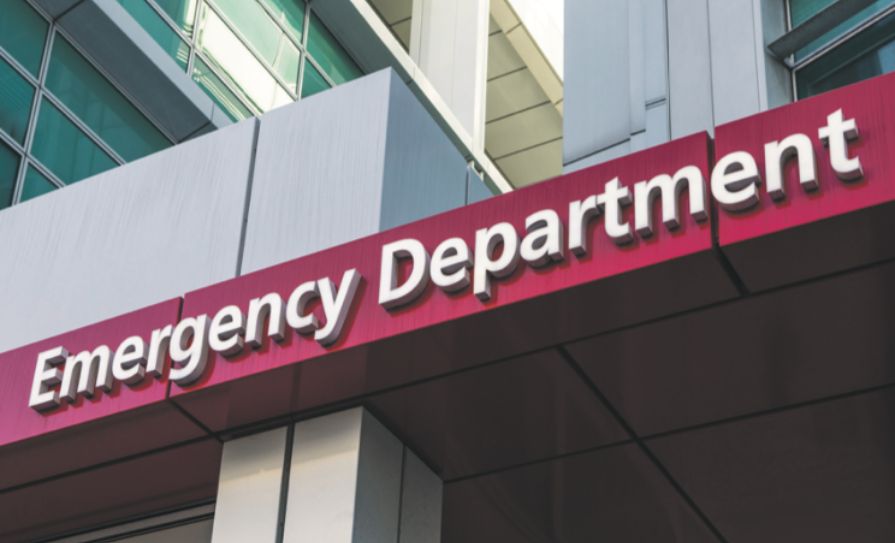
A safe space for emergency medicine teams’ was the theme of the recent Emergency Medicine Day (27 May) and it could not have been more timely.
Across Ireland and Europe, emergency medicine professionals are facing unprecedented pressures, working at the frontline of increasingly complex healthcare systems. The theme put the spotlight on a simple but vital principle: Those who care for people in moments of crisis deserve to work in environments that are safe, supportive, and designed to help them deliver the highest standards of care.
This focus on creating safe working environments reflects growing concern about the challenges confronting staff, such as violence and aggression, overcrowding, workforce pressures, and increasing demand for services.
The findings from a recent HSE report on incident reporting in emergency departments (EDs) highlight the ongoing challenges faced by staff. These include exposure to violence, aggression, and unsafe behaviours, alongside wider system pressures such as staffing constraints, delays in care, and overcrowding.
Data
While serious incidents that cause major harm are rare, staff in EDs experience a disproportionately high level of dangerous occurrences. Violence, harassment, and aggression towards staff is the third most common reported event in EDs. A total of 6,288 of such events took place between 2020 and 2025.
These figures should concern all of us. No one begins their career expecting to be threatened, verbally abused, or physically intimidated while carrying out their duties. Yet for many emergency medicine professionals, exposure to aggression has become part of the working day. Doctors, nurses, advanced nurse practitioners, healthcare assistants, catering staff, health and social care professionals, porters, administrative staff, and security personnel all contribute to the functioning of EDs. Every member of the team deserves to feel protected and respected in the workplace.
Support
Importantly, the conversation about safety must not be limited to physical security alone. A safe working environment is one in which staff feel supported, valued, and empowered to provide care. It is a culture where concerns can be raised openly, where incidents are reported without fear of blame, and where organisations are willing to learn from adverse events and near misses. Psychological safety is every bit as important as physical safety. When healthcare professionals are confident that their wellbeing matters, they are better equipped to make sound clinical decisions, collaborate effectively, and deliver compassionate care.
Unique
Emergency medicine is uniquely challenging because it sits at the intersection of almost every pressure affecting the wider healthcare system. EDs care for people with life-threatening conditions, complex chronic illnesses, mental health crises, and acute injuries, often all at the same time. They operate in environments where circumstances can change in seconds and where demand is frequently unpredictable. At the same time, wider systemic issues such as staffing constraints, delays in care and overcrowding can place additional strain on frontline teams.
For too long, we have been asked to focus on resilience without sufficiently addressing the conditions that require such resilience in the first place. Emergency medicine professionals demonstrate remarkable dedication and adaptability every day. However, resilience should never become a substitute for providing safe and sustainable working conditions. We should be careful not to normalise environments that expose staff to excessive stress, repeated aggression, or avoidable risk simply because healthcare professionals continue to perform heroically despite the challenges.
Patient benefits
The reality is that staff wellbeing and patient care are inseparable. The RCSI/HSE National Clinical Programme for Emergency Medicine will continue to advocate for safe working conditions that not only protect staff, but also safeguard patient care, support retention of skilled professionals, and enable high-quality, efficient services. When staff feel safe and supported, patients benefit. Communication improves, decision-making is strengthened, and teams are better able to focus on the needs of those they serve.
The theme of safety is particularly relevant given the critical role EDs play in supporting vulnerable patients. Alongside its focus on workplace safety, the National Clinical Programme for Emergency Medicine recently published a Quality Improvement Framework for the Identification and Response to Domestic, Sexual and Gender-Based Violence in Emergency Departments and Injury Units. The framework recognises that EDs are often the first point of contact for individuals experiencing abuse and emphasises the importance of early identification, clear referral pathways, and trauma-informed care.
Safe EDs are not just about protecting staff; they are also environments where vulnerable patients feel secure enough to seek help and disclose experiences of violence or abuse. Emergency medicine professionals are often required to identify risks that may not be immediately visible and respond with sensitivity, professionalism and compassion. To fulfil that role effectively, they themselves need the support, resources, and psychological safety necessary to provide person-centred care.
There is a powerful connection between these two responsibilities. A department that is safe for staff is more likely to be safe for patients. Likewise, an organisation that prioritises dignity, respect, and wellbeing for patients should extend the same commitment to its workforce. Safety cannot be viewed as a series of separate initiatives. It must be embedded in every aspect of emergency care, from staffing levels and physical infrastructure to leadership culture and service design.
Need for change
Healthcare organisations must continue strengthening measures to prevent and respond to violence and aggression. Leaders must ensure that staff have access to appropriate supports following incidents. Policymakers must recognise that investment in workforce wellbeing is not an optional extra, but a prerequisite for delivering sustainable healthcare services. The public also has a role to play. Respect for healthcare workers should be a shared societal expectation, not simply an organisational objective.
Healthcare organisations must continue strengthening measures to prevent and respond to violence and aggression
The encouraging message behind this year’s Emergency Medicine Day theme was that change is possible. The very act of measuring incidents, publishing data, and openly discussing staff safety reflects a growing recognition that these issues demand attention. Transparency creates opportunities for learning, improvement, and accountability. It helps shift the conversation from accepting difficult conditions as inevitable to actively pursuing safer, more sustainable solutions for staff and patients alike.










Leave a Reply
You must be logged in to post a comment.