NOTE: By submitting this form and registering with us, you are providing us with permission to store your personal data and the record of your registration. In addition, registration with the Medical Independent includes granting consent for the delivery of that additional professional content and targeted ads, and the cookies required to deliver same. View our Privacy Policy and Cookie Notice for further details.
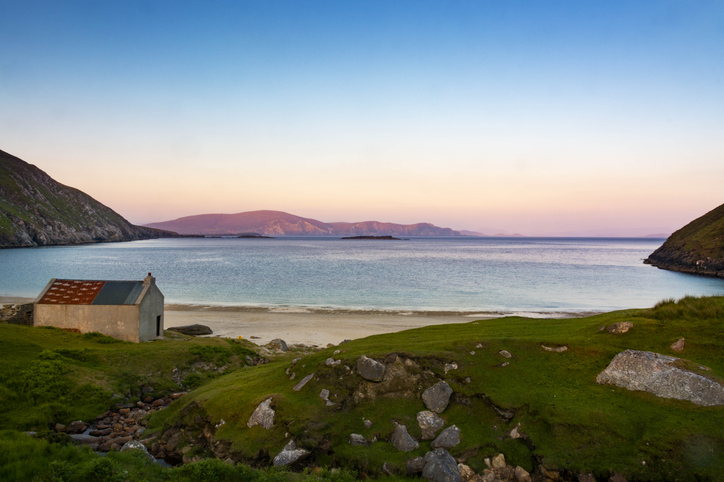
Keem Bay, Achill Island.
Credit: iStock.com/ZAKmac
Rural general practice is one of the most valuable assets in Irish healthcare, yet it is increasingly endangered
Eileen is in her 80s, and her health is failing. She understands that, and she has been very clear about what she wants. “I don’t want to go to hospital,” she told her doctor. “I want to stay in my own home, if at all possible.”
It sounds like a simple request. In practice, whether it can be honoured depends enormously on the care around her – and that, in turn, depends on the kind of practice she is fortunate enough to belong to.
Contrast
I have the privilege of working with practices the length and breadth of the country, from large urban groups to single-handed rural surgeries where one GP is, quite simply, the only doctor for miles. Lately the contrast has become impossible to ignore. Rural general practice is, I believe, one of the most valuable, yet also endangered, assets in Irish healthcare. Eileen’s wish is one reason why rural general practice matters: It can help make staying at home possible.
Working across practices of every size, what strikes me is how much they share. Good general practice is relational wherever it is done and pressure is not unique to one setting – plenty of urban practices struggle to find locum cover or carry heavy loads themselves. What sets the single-handed rural practice apart is not warmth or continuity, but the absence of a support network: Partners to share the on-call, to cover a holiday, to carry the weight on a hard week.
The single-handed rural GP usually has none of that. They also tend to know their patients in a way that is rarer elsewhere – not just the person in front of them, but the family, the farm, the history that never reaches a chart. They literally care for people from the cradle to the grave.
That knowledge matters most at the end of life. When someone like Eileen says she wants to stay at home, she is not being difficult; she is telling you, while she still can, how she wishes to be cared for. Honouring that is what dignity really means – being known, cared for by people who understand the whole of your life and not merely the presenting complaint, and allowed to stay where you belong.
We talk a great deal now about moving care into the community. The enhanced community care programme, a cornerstone of Sláintecare, is built on exactly that ambition – services closer to home, less reliance on hospitals, and people supported where they live. It is welcome and overdue. But every rural GP knows this is not a new idea; it is what they have been doing, largely unremarked, for generations.
Consider one GP, Dr Noreen Lineen-Curtis, who from her base on Achill Island also cares for Clare Island, Inishbiggle, and Achillbeg – reaching them by ferry and by currach, holding clinics with the island nurses and using telemedicine to spare patients a trip off the island. That is care in the community in its truest form; the strategy is only catching up to the practice.
Retirement
Here is what worries me. Many of the rural GPs I work with are nearing retirement and replacing them is genuinely difficult. A single-handed practice asks a great deal – more travel, more out-of-hours, and the weight of being the one everyone depends on.
Many of the rural GPs I work with are nearing retirement, and replacing them is genuinely difficult
When such a practice closes, a community loses far more than a doctor; it loses continuity, the institutional memory of a place, and its people. Once that is gone, it is very hard to rebuild.
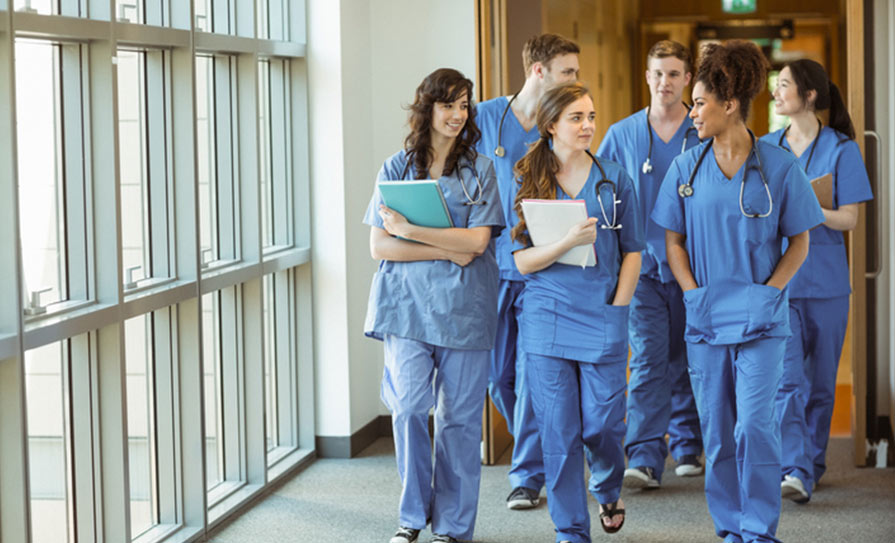
So what would help? Much of it comes down to exposure – letting doctors experience rural practice before they decide it is not for them. Succession planning should be a deliberate part of GP training and structured time in rural and remote practice should be built in far earlier, for students, not only for those already on the scheme.
You cannot choose a way of practising you have never been shown.
Optimism
And there are real grounds for optimism – the system is beginning to treat rural practice as a discipline in its own right.
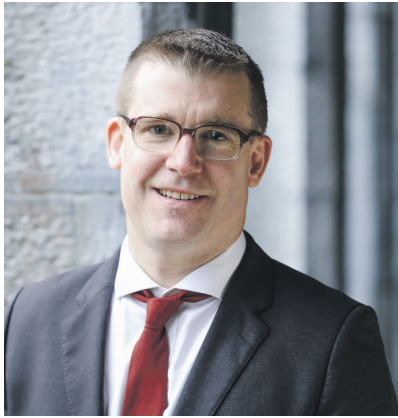
The University of Galway has appointed Prof Robert Scully as Ireland’s first Professor of Rural and Remote Medicine, alongside a new graduate-entry medicine programme built around rural and regional need.
Prof Robert Scully
At the University of Limerick, Prof Liam Glynn holds the Chair in General Practice, while still running his own rural practice in Ballyvaughan, Co Clare – proof that academic leadership and frontline rural medicine belong together. These are the kinds of commitments that turn goodwill into a career path.
Locum cover
But exposure alone will not hold anyone. The problem of rural GPs securing locums when they want to take leave needs to be addressed. To my mind the remedy is not complicated: The HSE taking responsibility for securing locum cover for annual leave, maternity leave, and illness. That one change alone would transform the picture. Rural practice is deeply rewarding, but reward is not the same as sustainability, and these are the practical, unglamorous things we have to fix.
As for Eileen: Her GP, working alongside the practice nurse and the public health nurse, made her wish a reality. A year on, she is still in her own home – comfortable, safe, and well cared for. That was not luck. It was exactly the kind of care our health service says it wants: Personal, continuous, community-based, and dignified. We should be doing everything we can to sustain it – not as nostalgia, but as strategy. Because the next Eileen is depending on a rural practice still being there to answer the door.










Leave a Reply
You must be logged in to post a comment.