iStock.com/ugurhan
As a GP, I’m seeing first-hand how weight loss injections are changing patient expectations
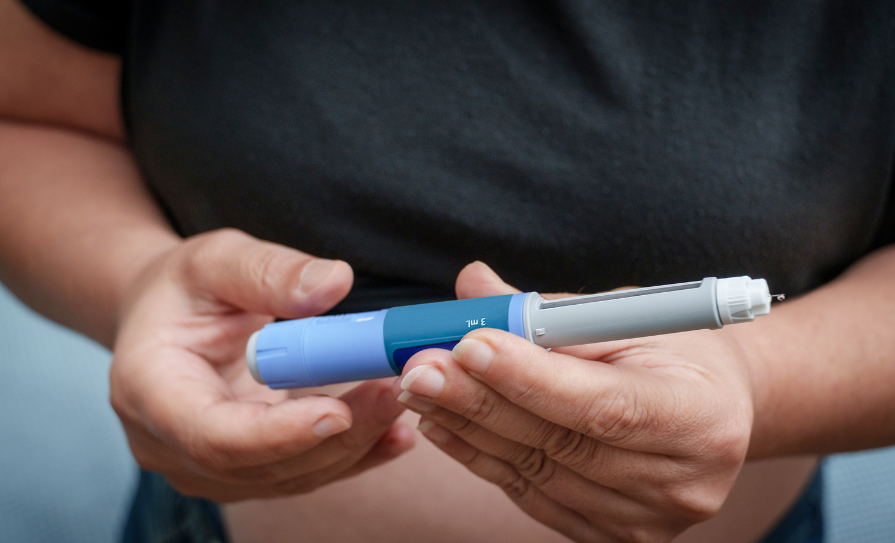
For those readers who are not up to speed with celebrity news, one of the current main topics of conversation is the increasing appearance of extremely thin Hollywood stars on the red carpet. This is leading to the hushed speculation that they ‘must be on the jabs’ – meaning weight loss injections, such as Ozempic or Mounjaro. Much like the cosmetic application of Botox, use of these injections has filtered down into public consciousness and acceptability. Now, as a GP, I have several consultations a week where patients are eagerly seeking prescriptions.
GLP-1 receptor agonists, to give them their proper name, were initially devised for the management of non-insulin dependent diabetes. But their mechanisms of action, namely reducing blood glucose, slowing gastric emptying, and reducing hunger signals in the brain, were also found to be a highly effective treatment for the management of obesity in non-diabetic patients.
Obesity is recognised to be a systemic chronic disease. It is thought to affect 2.5 billion adults worldwide and be the cause of over 2,000 deaths in Ireland annually. A highly effective medication for the non-surgical treatment of obesity has long been seen as the holy grail in the field. It is now believed that GLP-1 agents may have other benefits outside of treating obesity, such as the management of addiction and even potentially reducing the risk of cognitive impairment and dementia.
These medications have huge implications for medicine and for society as a whole. Already in the media there are anecdotal reports of changing consumer habits. Restaurants are reporting falling profits as patrons order smaller portions and less alcohol, while supermarkets are now marketing products as having higher protein content and being more ‘nutrient-dense’ as customers’ appetites reduce.
Expense is a huge consideration. These medications cost hundreds of euro a month and are not available on any medical card or drug payment scheme in Ireland. I work in an affluent area where many patients can easily afford these medications and justify it as being what they’d spend on a few nights out or getting their hair done. This is an example of the inverse care law in action: Those in lower socio-economic groups who are most likely to be affected by obesity are those who are least able to afford them. How health services are going to fund these medications into the future is a source of major debate. The HSE does have a funding programme in place for Saxenda, a less effective daily GLP-1 injection; however, the inclusion criteria are extremely restrictive – a patient has to be already demonstrating obesity-related diseases, such as hypertension or pre-diabetes, to be eligible.
It can be argued that although there is a significant upfront cost, the funding of these medications may save health systems money in the long run by preventing hugely expensive obesity-related illnesses, such as cancers, heart disease, and the need for joint replacement surgeries. Rather than the quick fixes patients hope for, it looks like these medications will be long-term treatments for life. Of course, the drug companies say that patients need to be taking their highly profitable medications forever. But studies are already showing that any weight loss achieved is eventually gained back after stopping these medications.
Another huge blockbuster drug class, statins, have been accepted by medicine and society as long-term medications. However, unlike weight, you cannot tell someone’s cholesterol levels by looking at them. Will being overweight now carry even more stigma than it currently does in a society where thinness is aspirational and now attainable for those who can afford it?
On a practical note, doctors are learning to prescribe along with patient demand without any real training or guidelines. On a busy day, my heart sinks when a patient brings up weight loss injections at the end of a consultation – it takes significant time to adequately counsel patients on realistic expectations, lifestyle changes, exercise, preventing loss of muscle and bone density, and the very common, and not insignificant, side-effects, such as severe nausea, diarrhoea, or constipation. I’m not a dietitian or personal trainer and often feel like I’m doing my patients a disservice by not being able to provide access to these supports. We need more time, training, and access to additional expertise, as well as a proper funding structure for those patients who need these medications the most.
Like artificial intelligence, GLP-1s strike me as a new technology that is advancing faster than our knowledge of how to harness it. I highly suspect that we will look back in five or 10 years’ time and this will all seem hopelessly quaint. It is very likely that many millions of people around the world will be on a daily obesity pill along with their cholesterol and blood pressure medications. What is yet to be known is what this means for both patients and society in the long-term.












Leave a Reply
You must be logged in to post a comment.