Credit: iStock.com/Nadzeya Haroshka
Ms Aoife Ní Eochaidh, Chartered Physiotherapist and Clinical Specialist in Pelvic Women’s and Men’s Health Physiotherapy, IPPM, Bon Secours Consultant’s Clinic, Renmore, Galway, discussed the relationship between pelvic health and osteoporosis during the Irish Osteoporosis Society 2026 Annual Medical Conference.
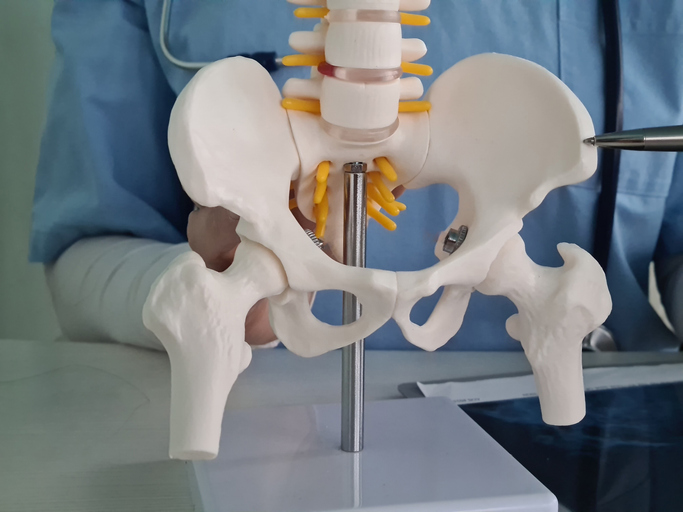
She began by explaining how the pelvic bones integrate with the pelvic floor muscles.
“Think of your body like an orchestra,” she said. “It must all work in harmony.”
Muscle loss and low bone mineral density arise from lack of weight-bearing training, nutritional deficiencies, and low vitamin D exposure predisposing to increased fracture risk, Ms Ní Eochaidh said, adding that kyphosis is also a risk factor, with increased risk around perimenopause and menopause for women.
A thorough history (including pelvic and fracture profiles, movement capacity, and wider health information) and physical examination by a physiotherapist is an important first step when dealing with patients with pelvic and bone issues: Fracture risk, pelvic symptoms, and pre-existing conditions create the starting point.
“Always ask the patient if they have a history of sexual, bowel, or bladder dysfunction,” she said. Ms Ní Eochaidh pointed out that all mothers have some degree of prolapse and thus a thorough history of birthing methods, interventions, and post-natal complications is important.
Pelvic floor muscle training (PFMT) and bone-loading exercises can be incorporated with traditional aerobic exercise routines to maintain and promote musculoskeletal health in these patients. “Systematic reviews and RCTs (Toloza 2024, Beamish 2024, Hagen 2013) have consistently demonstrated the effectiveness of PFMT for prevention of pelvic floor pathologies and the effective treatment and management of pelvic floor disorders,” Ms Ní Eochaidh told the meeting, adding that vaginal oestrogen is also a valuable tool in peri- and menopausal women.
Regular follow-up reviews are also key: “Continue, modify, or refer based on symptoms, recovery, and function,” she stressed.






Leave a Reply
You must be logged in to post a comment.