Credit: iStock.com/onimate
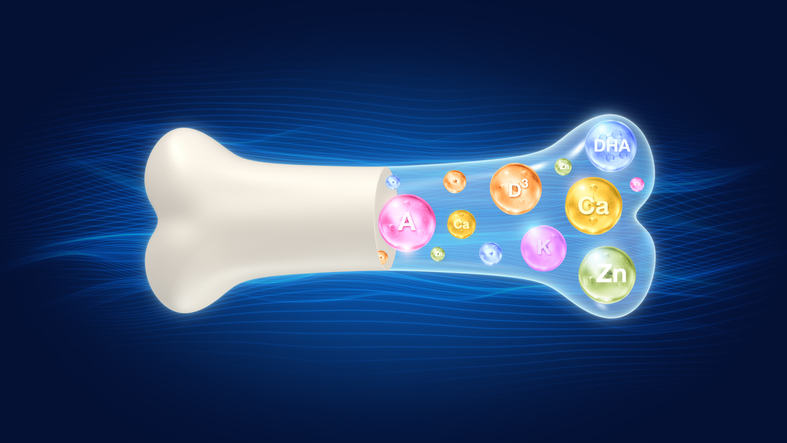
Vitamin D deficiency remains a major risk factor for the development of osteoporosis in the Irish population, Ms Elaine McGowan, CORU-registered Dietitian, Hermitage Medical Clinic, Dublin, warned during her presentation on nutrition and bone health during the Irish Osteoporosis Society (IOS) 2026 Annual Medical Conference.
“Vitamin D is a very simple, inexpensive way to help us optimise bone health,” she commented.
However, Ms McGowan pointed to Irish data showing high vitamin D deficiency in the adult population (61 per cent of adults aged 19–64 and 48 per cent of adults 65 and over).
“This is something I see in practice all the time; 40–60 per cent of patients are not taking vitamin D and this worries me greatly.”
Vitamin D supplementation is advised in Ireland between October and March and health professionals need to proactively promote this message, she maintained.
Inadequate calcium intake is another key dietary osteoporosis risk factor, Ms McGowan noted, explaining that plant-based milks are often nutritionally inferior to cow’s milk.
However, fortified cow’s milk is an “excellent source of vitamin D and calcium”, as is cheese and yogurt. “About a third of the population are not meeting their calcium requirements and for those who don’t like milk or other dairy products, they may require additional calcium supplementation.”
She also highlighted the risks of inadequate calcium from poorly planned vegan diets, particularly during adolescence when bone formation is critical. “They are an important cohort to educate in terms of vitamin D and calcium intake to make sure they are actually meeting the requirements.”
Ms McGowan discussed the nutritional risks linked to rapid weight loss with GLP-1 agonists (particularly tirzepatide), specifically muscle loss, and the potential bone health impact from inadequate calcium and protein. She urged clinicians to encourage protein at every meal for patients on these medications to prevent sarcopaenia.
IOS CEO Ms Michele O’Brien commented: “It is essential that weight loss occurs [in those that need it]; however, people need to be very aware that Mounjaro belongs to the class of dual GIP and GLP-1 receptor agonists and they affect muscle mass and as a result bone loss. It is essential to have adequate protein and do the correct weight-bearing exercise.”






Leave a Reply
You must be logged in to post a comment.