NOTE: By submitting this form and registering with us, you are providing us with permission to store your personal data and the record of your registration. In addition, registration with the Medical Independent includes granting consent for the delivery of that additional professional content and targeted ads, and the cookies required to deliver same. View our Privacy Policy and Cookie Notice for further details.
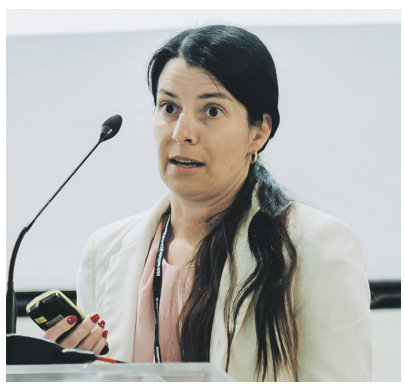
At the Annual Neurology Update Meeting 2026, Dr Diana Olszewska, Consultant Neurologist, Cork University Hospital, delivered a well-received talk on novel biomarkers in Parkinsonism, including her own research in the area. The talk was delivered during the session on Parkinsonism, chaired by Prof Richard Walsh, Consultant Neurologist, Mater Misericordiae University Hospital (MMUH), Dublin.
Dr Olszewska followed Prof Anhar Hassan, Consultant Neurologist, MMUH, who delivered a review of the pathophysiology of Parkinson’s disease (PD) and Dr Asya Tacheva, Neurology SpR, who advised GPs and general physicians on the diagnosis and management of idiopathic PD.
Dr Olszewska began by outlining the prevalence and economic burden of Parkinsonism. In addition to PD, she referred to rarer atypical Parkinsonian syndromes, including multiple system atrophy (MSA), progressive supranuclear palsy (PSP), and corticobasal syndrome.
Dr Olszewska pointed out that there is no disease-modifying drug currently for Parkinsonism.
She then turned to clinical trials, noting that while biomarker development has driven recent progress in Alzheimer’s disease, trials for PD and MSA continue to face major hurdles. She explained that the lack of reliable biomarkers (“a critical unmet need”), together with the recruitment of misdiagnosed patients, hampers the success of disease-modifying trials.
Dr Olszewska referred to a recent review of global drug trials for PD.
The review, published in the Journal of Parkinson’s Disease in July 2024, analysed 107 agents across 136 clinical trials.
Dr Diana Olszewska
Of these trials, approximately 55 per cent were testing experimental symptomatic treatments, while the rest focused on slowing down disease progression. More than half (58 per cent) of the studies were in phase 2 trials, but only three studies were found to be testing treatments to stop the progression of PD in a phase 3 trial.
She then described the shift towards biological frameworks, in which diagnosis moves from clinical symptoms alone to biomarker-driven definitions.
Dr Olszewska cited emerging biological frameworks in PD: The SynNeurGe criteria, which integrate α-synuclein pathology, neurodegeneration, and genetic factors, and the NSD integrated staging system (NSD-ISS), which provides a biological definition and research staging framework for neuronal α-synuclein disease. However, she noted that comparable, minimally invasive biomarker frameworks remain lacking for PSP and other atypical Parkinsonisms.
She then discussed a paper she co-authored, published in Nature Medicine in May 2026, titled ‘A multimodal biomarker strategy to enhance diagnostic precision in neurodegenerative Parkinsonism’.
The study pointed out that PD, MSA, and PSP share overlapping clinical symptoms, which makes early diagnosis difficult. However, they are associated with different underlying protein pathologies.
The study evaluated a multimodal, minimally invasive biomarker strategy integrating dermal α-synuclein and 4-repeat tau seed amplification assays (SAAs) with serum neurofilament light chain.
A prospective cohort of 166 participants (PD[40]; MSA[29]; PSP[77]; healthy controls [20]), with independent external validation (63 participants), was examined.
The study found α-synuclein SAA identified synucleinopathies with high sensitivity but was positive in a subset of PSP, which is consistent with α-synuclein co-pathology.
Serum neurofilament light chain distinguished multiple system atrophy from PD and correlated with disease severity in PSP.
“Integrating these complementary biomarkers improved diagnostic discrimination compared with individual markers and enabled further stratification within PSP,” according to the study.
“These findings support a multimodal biomarker approach for biologically informed diagnosis of Parkinsonian syndromes.”
Diagnostic performance of the integrated model was comparable across disease stages. Discrimination was similar in patients evaluated within three years of symptom onset and in those with more established disease, although samples from patients with early-stage disease were limited. “Thus, this study cannot definitively address performance for early diagnosis, which remains a critical unmet need. In this context, multimodal strategies for early diagnosis will probably require incorporation of additional biomarkers.”
Another limitation was that despite external validation, the study was cross-sectional and included a modest number of healthy controls and of autopsy-confirmed cases. Integrated-model operating thresholds were internally derived, and although the NfL cutoff was prespecified from prior work, it was not independently validated.
The authors noted performance was achieved in a cohort of carefully phenotyped patients, evaluated at expert centres, and is unlikely to be fully maintained in unselected clinic populations. “Rather than a weakness, this defines the next translational step: Determining how these biomarkers add value in diagnostically ambiguous cases alongside expert clinical assessment,” according to the study.
Migraine
Dr Thomas Peukert, Consultant Neurologist, Belfast Health and Social Care Trust, chaired the fourth and final session on migraine and related disorders.
Dr Damien Ferguson, Consultant Neurologist, St James’s Hospital, Dublin, delivered his presentation ‘Migraine – an update on pathophysiology’.
Following Dr Ferguson, Dr David Burke, GP with a special interest in migraine, Tallaght University Hospital, Dublin, spoke about migraine management in the GP practice.
And the final talk of the meeting, ‘Migraine, obesity, and IIH [idiopathic intracranial hypertension]: Emerging Connections,’ was given by Dr Alina Buture, Consultant Neurologist, MMUH.












Leave a Reply
You must be logged in to post a comment.