NOTE: By submitting this form and registering with us, you are providing us with permission to store your personal data and the record of your registration. In addition, registration with the Medical Independent includes granting consent for the delivery of that additional professional content and targeted ads, and the cookies required to deliver same. View our Privacy Policy and Cookie Notice for further details.
Irish Cardiac Society, Annual Scientific Meeting and AGM, Killashee Hotel, Naas, Co Kildare, 15–17 October 2026
This year’s Irish Cardiac Society Annual Scientific Meeting for the first time featured a session dedicated to cardio-obstetrics, titled ‘Contemporary perspectives in cardio-obstetrics’. Chaired by Prof Emer Joyce, the session featured presentations by Dr Kate von Klemperer, St Bartholomew’s Hospital, London, UK, who delivered a talk on ‘When cardiology meets pregnancy: What every cardiologist needs to know’, and Dr Jennifer Donnelly, Rotunda Hospital, Dublin, who spoke about ‘Cardiac disease and pregnancy – An obstetrician’s perspective’. The presentations were followed by a lively panel discussion featuring Dr Carla Canniffe, Dr Patrick Thornton, and Dr Zain Sharif.
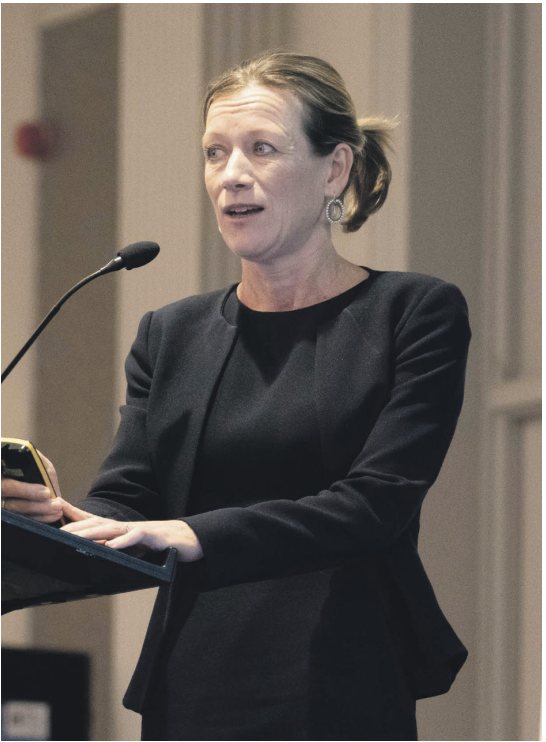
Dr Kate von Klemperer
Dr von Klemperer pointed out that cardiac disease is the leading cause of maternal death in the UK, “however… an important take-home message is that the majority of these women who die are not known to have cardiac disease prior to pregnancy,” she told the conference. “It is our job as cardiologists to not only be able to manage women with known disease, but also to identify women with cardiac disease in the peripartum period. We need to be able to assess them and make a quick diagnosis and make a good management plan for them.”
Dr von Klemperer provided a synopsis of the guidelines in this area and presented case studies to illustrate the nuances of cardio-obstetrics. “One of the most important things is understanding the physiology,” she said. “As cardiologists, we all love physiology, and pregnancy is an ever-changing continuum of loading conditions. When you meet the woman peripartum, we need to understand where she’s at with that journey to be able to understand why she is decompensated and to take her management forward.”
The first physiological changes take place by the time a woman is eight weeks pregnant, she pointed out. “The physiological changes in pregnancy can have a profound effect on even moderate valve disease,” she added.
Dr Donnelly provided a timeline of the development of cardio-obstetrics, and she spoke about the importance of the obstetric-cardiac multidisciplinary team in helping to diagnose and treat these patients. She also discussed the Irish Medicines in Pregnancy Service, of which she is a member, and counselling and shared decision-making, particularly in managing women who are already at high risk of cardiac disease when entering pregnancy.
Dr Donnelly outlined the activities of the cardiac care team at the Rotunda Hospital, which includes reviews from different specialties at regular intervals. Communication is key between people in different specialties involved in the care of these patients, she added.
In terms of future developments, she said: “It’s really important that we look nationally at how we can better serve women around the country and try to embed these things in units all around the country.”













Leave a Reply
You must be logged in to post a comment.