







The distinction between association and causation may sound academic, but it has real-world consequences
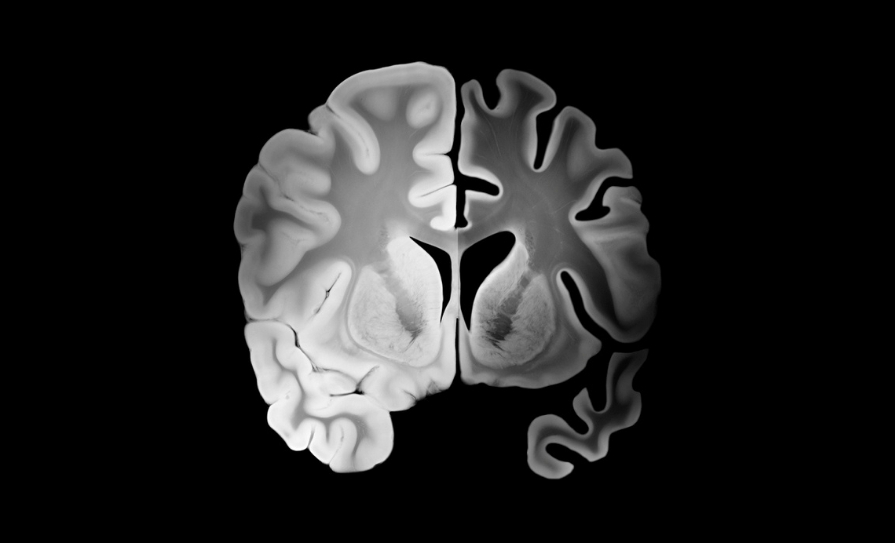
Recent media coverage of a large study from the University of Cambridge generated significant interest by reporting an association between menopause and reduced grey matter volume in the brain. Headlines suggesting that menopause may cause the brain to ‘shrink’ understandably attracted attention and concern. For many women, such reports raised worrying questions about cognitive decline, memory, and long-term brain health.
The study itself was an important contribution to the growing field of menopause neuroimaging research. Using data from the UK Biobank, researchers examined associations between menopausal status, mental health, sleep, cognition, and brain structure in a large population-based sample. They reported differences in regional grey matter volumes between premenopausal and postmenopausal women, alongside differences in sleep and mental health measures.1 However, understanding what these findings mean requires careful consideration of study design.
Association does not mean causation
The most important point is that the study was cross-sectional. In simple terms, researchers compared different groups of women at a single point in time. They did not follow the same women through the menopausal transition and observe how their brains changed over time.
This distinction matters because cross-sectional studies can identify associations but cannot establish causation. The study did not scan women before menopause and then again after menopause. Instead, it compared different women at a single point in time. This means it can identify associations, but it cannot determine whether menopause itself caused the observed differences.
The findings show that postmenopausal women differed from premenopausal women in certain brain measures. They do not show that menopause itself caused those differences. While the study provides valuable observational data – because it compares different women at a single point in time – it cannot determine whether the observed differences arose during menopause, predated menopause, or reflect accumulated biological, psychosocial, and health-related exposures across the life course.
Following publication of the study, I published correspondence in Psychological Medicine highlighting the importance of distinguishing between cross-sectional associations and evidence of within-person neurobiological change across the menopausal transition.2 This distinction is fundamental because demonstrating true change requires repeated assessment of the same individuals over time rather than comparison of different groups at a single time point.
To demonstrate that menopause causes structural brain changes, researchers would need to follow the same women from before menopause until after menopause, performing repeated brain imaging throughout the transition. Such longitudinal studies are much better suited to examining change over time and determining whether menopause directly contributes to observed differences.3
Why midlife is complex
Menopause does not occur in isolation. By midlife, women have accumulated decades of biological, psychological, and social experiences that influence health outcomes. Cardiovascular risk factors, sleep quality, mental health history, medications, socioeconomic circumstances, stress exposure, and lifestyle factors all influence both menopausal experiences and brain health.
While statistical adjustments can account for some of these variables, it is impossible to account fully for every potential influence in a cross-sectional analysis. Factors influencing menopausal timing are themselves associated with broader health outcomes, adding further complexity to interpretation.4 As a result, observed differences between groups may reflect a combination of menopause-related factors and broader life-course influences.
What does longitudinal research show?
The wider menopause literature provides a more nuanced picture than some headlines suggested. Research led by Prof Pauline Maki and colleagues has shown that cognitive changes during the menopausal transition are generally modest and variable.5,6 Many women experience temporary difficulties with memory, concentration, or word-finding, particularly during periods of significant vasomotor symptoms or sleep disruption.
Importantly, these changes are not universal and do not affect all women in the same way. Longitudinal studies suggest considerable variation between women, with symptom burden, sleep quality, and psychological wellbeing potentially influencing cognitive experiences during the menopausal transition.5,6,7 Emerging evidence therefore suggests that symptoms such as poor sleep, night sweats, anxiety, and mood disturbance may play an important role in cognitive experiences during menopause. This differs from the notion that menopause inevitably causes progressive structural brain decline.
Why interpretation matters
The distinction between association and causation may sound academic, but it has real-world consequences. Women frequently attend menopause clinics concerned about memory, concentration, and brain fog. Media reports suggesting that menopause causes brain shrinkage can understandably increase anxiety and may contribute to fear about future cognitive health.
As clinicians and researchers, we have a responsibility to communicate evidence accurately. This does not mean dismissing important findings; rather, it means ensuring that the conclusions drawn from research are proportionate to the strength of the evidence.
The Cambridge study adds valuable information to our understanding of associations between menopause and brain health. However, it should be interpreted as identifying associations that warrant further investigation, rather than proving that menopause directly causes structural brain changes.
Looking ahead
Interest in menopause and brain health is growing rapidly, and this is a positive development. More research is needed to understand how hormonal changes, symptoms, cardiovascular health, sleep, mental wellbeing, and ageing interact during the menopausal transition. Future longitudinal studies following women over time will be critical in answering these questions.
Until then, the most balanced interpretation of current evidence is that menopause may be associated with changes in brain-related outcomes, but the extent to which menopause itself contributes to these changes remains uncertain. For women reading the headlines, the key message is reassuring, current evidence does not support the conclusion that menopause inevitably causes brain shrinkage or progressive cognitive decline.
Rather, the relationship between menopause, cognition, and brain health appears far more nuanced, influenced by a complex interplay of hormonal, symptomatic, cardiovascular, and psychosocial factors. Understanding that nuance is essential to both good science and good menopause care.
You can access Catriona’s complete published correspondence in Psychological Medicine at: https://pmc.ncbi.nlm.nih.gov/articles/PMC13079208/.
References
- Zuhlsdorff K, Langley C, Bethlehem R, et al. Emotional and cognitive effects of menopause and hormone replacement therapy. Psychol Med. 2026;56:e24. doi:10.1017/S0033291725102845.
- Keye C. Interpreting cross-sectional comparisons of menopausal status and brain outcomes. Psychol Med. 2026;56:e95. Published 2026 Apr 7. doi:10.1017/S0033291726104073.
- Hernán MA, Robins JM. Causal inference: What if? Boca Raton (FL): Chapman and Hall/CRC; 2020.
- Gold EB, Bromberger J, Crawford S, et al. Factors associated with age at natural menopause in a multiethnic sample of midlife women. Am J Epidemiol. 2001;153(9):865-874. doi:10.1093/aje/153.9.865.
- Maki PM. Menopause and cognition. Menopause. 2015;22(9):1006-1011. doi:10.1097/GME.000000000000052625628057.
- Maki PM, Thurston RC. Menopause and brain health: Hormonal changes are only part of the story. Front Neurol. 2020;11:562275. doi:10.3389/fneur.2020.562275.
- Greendale GA, Huang MH, Wight RG, et al. Effects of the menopause transition and hormone use on cognitive performance in midlife women. Neurology. 2009;72(21):1850-1857. doi:10.1212/WNL.0b013e3181a71193.










Leave a Reply
You must be logged in to post a comment.