







Reference: July-August 2026 | Issue 4 | Vol 19 | Page 10
Start this Module
Module Title
Carbapenemase-producing Enterobacteriaceae: A practice update CPE has now beModule Author
Maureen CarlinCPD points
2Module Type
TutorialCPE has now become endemic in many countries; however, this is not yet the case in Ireland, and the chance to stop it from spreading endemically still exists
This practice development module provides an up to date, evidence-based review of CPE, focusing on:
✽ What CPE is, its implications, and risk factors
✽ Reviewing patient CPE screening for admissions to hospital
✽ Exploring the significance of hospital environmental CPE reservoirs
✽ Gaining an understanding of what biofilms are
✽ Investigating CPE spread from wastewater drainage
✽ Understanding infection prevention strategies that you can utilise to limit spread.
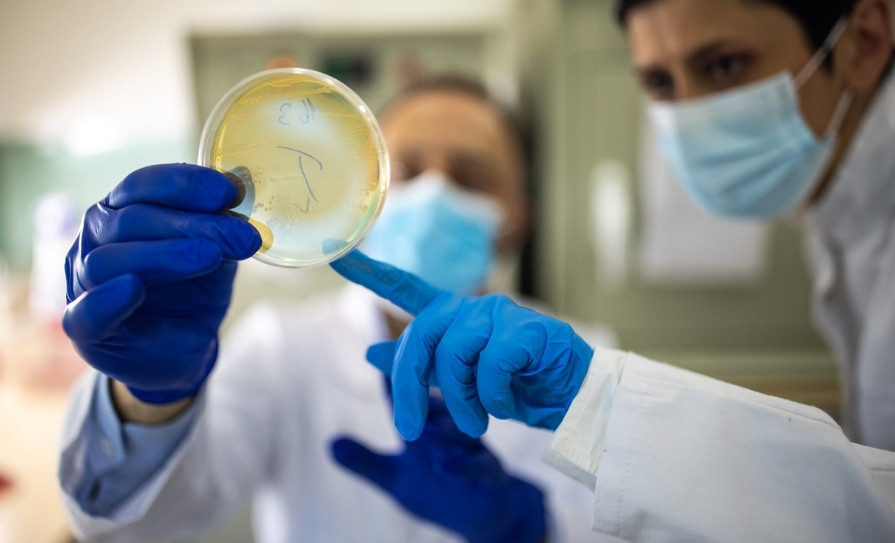
Achieving effective control of the spread of multi-drug-resistant organisms (MDROs), such as carbapenemase-producing Enterobacteriaceae (CPE), is one of the most significant problems facing infection prevention and control practitioners worldwide.1 Aside from the risk of patient to patient transfer, colonised drain reservoirs within patient accommodation involving sinks, showers, and toilets pose a silent risk factor for CPE acquisition that have proven to be the source of numerous outbreaks worldwide and are very challenging to eradicate.2,3,4,5
What is CPE?
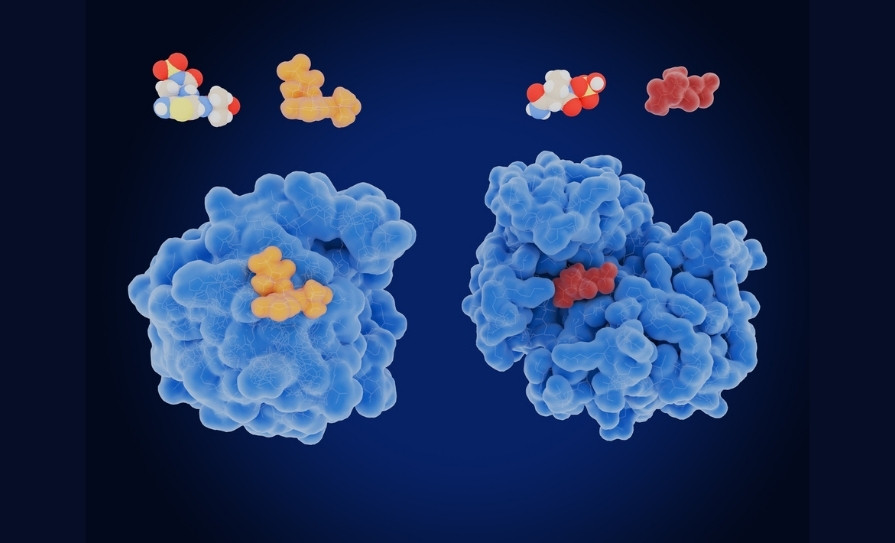
CPE refer to a group of Enterobacterales bacteria, such as Escherichia coli, Klebsiella, and Enterobacter, which live within the gut and have evolved to develop the enzymatic capacity (carbapenemase) to convey resistance to vital last-resort broad spectrum antibiotics known as carbapenems.6,7 There are a number of acquired carbapenemase enzyme types that differ in both function and the antibiotics they resist.
Primary CPE types include:
✽ OXA-48-like (oxacillinase-48-like)
✽ IMP (imipenem-resistant Pseudomonas)
✽ KPC (Klebsiella pneumoniae carbapenemase)
✽ VIM (Verona integron-encoded metallo-β-lactamase)
✽ NDM (New Delhi metallo-beta-lactamase).
These carbapenemases enzymes have become a particular concern as resistance genes have not only the added capability to move easily across different Enterobacterales strains, but also vertically within a strain – self-facilitating the rapid spread of carbapenem resistance.7 Of alarm, infections caused by CPE are very challenging to treat, as they can confer further resistance to often already multi-resistant pathogens and result in high mortality rates.8.9
By 2050, over 10 million deaths are projected to be either associated or attributable to antibiotic-resistant bacteria annually, with CPE-associated death rates currently increasing more than any other gram-negative bacteria globally.1 In 2021 alone, over one million associated deaths have been attributed to CPE.1
Currently in Ireland, CPE is predominantly spread within healthcare environments. Individuals are exposed via contact with contaminated hands (patients and healthcare workers), equipment, and the environment, with colonisation facilitated via the faecal-oral route.6 Individuals who carry CPE in the gut typically have no clinical symptoms and are classified as colonised.6 However, research has shown that colonisation with CPE is associated with a 16.5 per cent chance of progressing to the development of infection, rising substantially in elderly and immunocompromised patients.2
The mortality rate of CPE infections can be significant. For example, of those individuals that develop CPE bacteraemia, the 30-day mortality rate can be up to 50 per cent, with some sources reporting much higher rates.9 The most common sources of bacteraemia are urinary tract (21%) and intra-abdominal (42%).10 Certain factors may predispose patients to developing CPE bacteraemia including age >65 years; receiving hospital care; diabetes; heart failure; recent endoscopic procedures; receiving treatment for cancer; or being a transplant recipient.10
A national public health emergency
CPE has now become endemic in many countries. However, this is not yet the case in Ireland, andthe chance to stop CPE from spreading endemically still exists. Once endemic, achieving control is extremely difficult.11
In response to this threat, Ireland declared a national public health emergency in 2017, and subsequently created both an expert advisory group and a national public health emergency team to inform now proven efficacious strategies such as patient screening and CPE management.12
Recent European surveillance data reflect our favourable progress in comparison to other countries, with rates of carbapenem resistance in bloodstream infections now reduced by a significant 63.6 per cent from 2019 to 2023.13 However, the opposite is true in the majority of other European countries, with rates increasing dramatically in some.
It has been warned that in view of CPE’s ability to proliferate quickly in hospital settings, and because of limited therapeutic options, these organisms will inevitably lead to poor clinical outcomes.7 Additionally, for healthcare providers, the rising prevalence of CPE also has substantial financial and operational ramifications, and action needs to be taken to halt this threat to both medical care and public health.7
Furthermore, effective strategies such as stricter infection control measures and antimicrobial stewardship to limit the spread of CPE acquisition, excretion, and persistence in medical facilities has been called for to limit risks to health.13,14
CPE screening in an acute setting
Detection of asymptomatic CPE colonisation may be clinically important for the individual concerned as this information could be pivotal in guiding the choice of empirical antimicrobial therapy should severe infection subsequently occur.6
Furthermore, timely identification of CPE colonisation has broader public health value, as it facilitates implementation of actions aimed at limiting transmission within the acute setting, with guidance recommending that screening is undertaken within 24 hours of admission to hospital.6
CPE screening involves testing a rectal swab or faecal specimen using molecular diagnostics and/or culture methods, with results then subsequently verified in a CPE referencing laboratory. The quality of the specimen submitted for diagnostic testing is a key determinant of CPE recovery and, consequently, of the validity of the test result.6 Screening practices are recommended to be either universal (all patients) or risk-based (high-risk patients and areas), with processes based on local resources and epidemiology.13
A review of the clinical epidemiology of CPE highlights risk factors that are positively linked with the colonisation of CPE. These risk factors include exposure to hospital care; CPE exposure; the presence of medical devices; invasive procedures; mechanical ventilation; admission to the intensive care unit (ICU); underlying disease; patient demographic; and the use of quinolone, β-lactam, cephalosporin, glycopeptide, and carbapenem antibiotics.14,15
Risk-based active surveillance screening of high-risk individuals for asymptomatic carriage is outlined in recent updated guidance from both the HSE and European Centre for Disease Prevention and Control.6,13
They recommend patients are screened if they:
✽ Have had an overnight stay in any type of healthcare facility within the preceding 12 months
✽ Have received multiple hospital treatments or are in receipt of chemotherapy or dialysis within the preceding 12 months
✽ Are a known contact of CPE
✽ Have a documented previous CPE carriage within the preceding 12 months
✽ Have received considerable exposure to broad-spectrum antimicrobials
✽ Are admitted to high-risk clinical settings/specialties or CPE endemic wards, and regular active surveillance should also be undertaken in these areas based on risk assessment.
Down the drain: A silent source of CPE
The prevention of person to person transmission of CPE is not sufficient on its own to tackle the full-scale problem, and the eradication of persistent hospital environmental reservoirs is thought to be key in successful management.11 Colonised drain reservoirs within patient accommodation involving sinks, showers, and toilets pose a particular risk factor for CPE acquisition. These colonised reservoirs have proven to be the source of numerous outbreaks worldwide that resulted in patient deaths and are extremely challenging to eradicate.2,3,4,5,16
The scale and significance of hospital environmental CPE drain reservoirs have been widely studied, varying between wards, hospitals, and countries, with some studies detecting CPE in up to:
✽ 86 per cent of rooms sampled17
✽ 41 per cent of samples taken within one metre of a water source18
✽ 20 per cent of showers18
✽ 30 per cent of sinks19
✽ And 25 per cent of toilet water samples.2
At the very core of CPE’s resilience within these reservoirs is a protective and underappreciated structure known as biofilm.
Biofilm
Biofilms are extensively abundant throughout healthcare and two main types exist:
✽ Dry biofilms, found on equipment and surfaces
✽ Hydrated biofilms, frequently found in wet areas such as drains.
Biofilms are complex and resilient ecosystems that can harbour many organisms, not merely CPE. They are made up of microorganisms surrounded in a matrix of extracellular materials (such as lipids, proteins, polysaccharides, metal ions, extracellular enzymes, and eDNA).20 Biofilms have multifaceted survival characteristics, are promoted by nutrient availability, and have low levels of susceptibility to cleaning and disinfection, which is why they thrive within healthcare environments that are exposed to many individuals colonised with various organisms.5,21,22
Furthermore, biofilm microbe characteristics can lend to increased mutation rates – in addition to resistance gene transfer found in CPE – as they act like a mixing pot in which CPE can flourish and spread.23
Dry biofilms: Research reveals that the bacteria present in healthcare surroundings primarily exist in widespread dry biofilms on commonly used equipment and surfaces that effectively harbour pathogens.24,25 Dry biofilm can contain culturable bacteria and it has been conceptualised that biofilms form over extended periods on dry surfaces from the projection of contaminated biological fluids, surface condensation due to room humidity, or periodic moistening during cleaning and disinfection.25,26
The contamination of surfaces by dry biofilm has been shown to play a major role in hospital-acquired infections, with items frequently touched by the hands of patients and healthcare workers often acting as a reservoir.27 Viable Staphylococcus aureus cells from dry biofilms were found to be significantly more virulent and readily transferrable through a touch test, with more cells transferring when biofilm surfaces were wet.28 These factors highlight the importance of regular effective cleaning and adequate disinfection of surfaces and equipment.
Hydrated biofilms: Can proficiently regenerate after disinfection treatments, and growth is aided by the addition of nutrients put down the drain. Biofilm has been shown to grow upwards from contaminated sink traps at the alarming rate of one inch per day, reaching the sink after just one week.29 An examination into outbreak control of CPE from around the world portrays a vast array of both successes and failures in tackling the resilience of CPE biofilm reservoirs in hospital drains using various disinfectants and remedial works.30,31 At the route of this resilience appears to be the selected disinfectant product’s ability to tackle these biofilm matrices which function as sanctuaries within drains – leading to the survival and spread of CPE.20
CPE spread from wastewater drainage
Research has confirmed that wastewater drainage systems play an integral part in the indirect transmission of CPE via several mechanisms including:
✽ Bioaerosol plumes32
✽ Droplet spread33
✽ Diffusion of CPE from both within and between patient rooms through connected pipework.11
Connections in wastewater plumbing to neighbouring sinks, toilets, and showers are thought to aid in bacterial seeding from colonised areas to new areas, and biofilms are also known to form and spread upwards within shared pipes contaminating linked areas.19,29
A large-scale metagenomic examination of wastewater pipes during a ward remodelling in Ireland discovered no discernible variations in microorganisms between the results of patient and staff wastewater equipment, which may indicate that microbiological exposure could be multi-directional throughout systems.33
Toilets have the ability to emit significant quantities of micro-aerosols and droplets into the environment on flushing, particularly when the toilet lid is up, contaminating the surrounding areas.32 A high incidence of sink drains close to positive toilets have been found to be contaminated with CPE, and it is proposed that during flushing, generated droplets lead to nearby sink drain and environmental contamination.34 Furthermore, ongoing sink activities such as healthcare personnel and patients performing hand hygiene, may also play a part in the seeding of sinks.35
An enlightening video analysis into the behaviours around ICU patient sinks demonstrated a predominance of non-hand hygiene activities, many of which could promote spread and propagation of MDROs.35 Of 5,614 observed behaviours, 37.4 per cent involved medical care, 29.2 per cent additional behaviours, 7.2 per cent patient nutrition, 5 per cent environmental care, and 4.2 per cent non-medical care. Alarmingly, handwashing accounted for merely 4 per cent of total activities. Furthermore, analysis of videos highlighted 56 activities in which various nutrients were disposed of in sinks, which would undoubtably encourage colonisation of MDROs.5, 22
Spread from sinks
Organisms from drain biofilms in colonised sinks are known to spread via large droplet-sized particles brought on by tap water.36 Hand washing has been shown to result in the frequent dispersal of microbes from colonised sink drains, contaminating hands and gowns, which may serve as a route of transmission to both staff and patients.37
Additionally, if sink drainage is impaired, splashes have been shown to travel over one metre from the sink.38 Furthermore, the location of the outlet very much influences if dispersion will occur, becoming more likely if the tap is positioned directly above the waste trap.38 In comparison, when the drain is located at the back of the sink, and the water is free draining, there is no dispersal from the waste trap.38
CPE risk from showers
Biofilm containing CPE can grow upwards from shower drains as it can from sink traps, where CPE can reach the outlet and patients may be exposed while using the shower.29 Slow draining showers also pose a risk of exposure to patients during use. In this instance, showers should be closed off until maintenance has resolved the issue and it has been fully disinfected.39
A study using both high and low velocity shower heads displayed similar complex and widespread droplet patterns, confirming that showers can generate potentially contaminated aerosols in the respirable range.40 The concentration ratio of total bacteria in the air during shower operation relative to baseline values varied by day, indicating that while turning on the shower spray could increase the bacterial load in the air released from biofilms, it could also decrease the total bacterial concentrations with more use.
What is happening to tackle CPE positive drain reservoirs?
According to the World Health Organisation (WHO) CPE guidelines,41 both the collection and analysis of environmental surveillance cultures can require substantial resources in terms of staffing, laboratories, information technology, and data management systems. However, they recommend in some cases, particularly for outbreaks, the resources invested are deemed to be worth the net gain. In addition, they add, that to ensure the standardisation of surveillance methods and cleaning techniques, extra training could be required.
Guidance from the Irish Expert Advisory Group for CPE emphasises the necessity for infection prevention and control teams to sample the environment appropriately and target hotspots for transmission to mitigate the inherent risks that these reservoirs pose to patients.11 A multidisciplinary approach that targets biofilm reservoirs is advocated as necessary to effectively manage CPE in both healthcare environments and wastewater systems.42
The challenges associated with eradicating CPE are highlighted in a report describing efforts to manage a persistent CPE outbreak in an ICU where sink traps were the source.30 A multitude of different approaches were tried in attempt to gain control. Interventions included the hyperchlorination and heating of the main hospital water chamber and terminal points; repeated changing of sink traps; the fitting of a ‘self-disinfecting’ sink trap; and trialling of various disinfectants. However, complete elimination was not possible. Sink traps were treated initially once weekly for 10 weeks with 250ml of 25 per cent acetic acid. This decreased the percentage of contaminated sinks from 85 per cent to 28 per cent.
In the end, a daily decontamination protocol with 1,000ppm hypochlorite was adopted, further reducing the percentage of positive sinks to a more modest 15 per cent, with no additional CPE cases reported for the next year. An argument against replacing plumbing fittings as a means of eliminating CPE is advocated by results from a culture-based study,31 which found that the high concentration of organisms detected after one week showed that traps were already colonised, and the biofilm had reestablished by spread from neighbouring piping.
As yet, no consensus has been attained on what is the most effective approach or protocol for decontamination of CPE from drains. The literature very much reflects cases of trial and error, which may in part be a symptom of the lack of consensus in the field of drain decontamination and evidence-based guidance. Focus is often placed primarily on finding the ideal treatment type and frequency to keep it at bay deep within wastewater drainage systems and safely away from patients.30
When deciding on which treatment to use, researchers advocate that it is vital to examine the reduction in microbial bioburden along with the time it takes for hydrated biofilm to regenerate after treatments, as fundamentally, this will advise the effectiveness, frequency, and duration of the treatment used.24 Additionally, it has been recommended that treatments should display a dual action, targeting both the removal of the biofilm structure and the destruction of the microbes within the biofilm, as this is fundamental to effectively eradicating biofilm CPE contamination.20
Research is ongoing in the area with evolving innovative advancements – including biofilm-targeting foams and ultraviolet light treatments demonstrating promising potential in tackling CPE.42 Successful collective management should combine efficacious disinfection protocols, the inclusion of infection prevention practices, and necessary infrastructure upgrades, whilst also embracing evolving advances in both evidenced-based guidance and technology as this will undoubtably prove pivotal to our future success in mitigating CPE in healthcare.42
What can nurses do to limit spread?
✽ Ensure qualifying patients are screened within 24 hours of admission to hospital to allow early detection and isolation.6
✽ Promote prompt isolation of colonised patients. It is important to communicate effectively between departments before transporting patients and to routinely check local computerised systems for alert tags. Different types of CPE require separate isolation. The same types may be cohorted together.6
✽ Adopt strict standard and contact-based precautions based on a point of care risk assessment before every patient interaction.43
✽ It is not necessary for visitors to wear personal protective equipment, though it is advised if they are providing personal care to the patient. Hand hygiene should be encouraged before and after each visit.6
✽ Apply door signage for contact precautions.44
✽ Hand hygiene based on the WHO 5-Moments is one of the single most important things you can both do and also promote with your patient population.45
✽ Use dedicated patient equipment and ensure meticulous decontamination after its use.6
✽ Initiate enhanced environmental cleaning with household service staff during their stay.
✽ When colonised patients are discharged, it is vital that discharge terminal cleaning is performed, ensuring both the room and bathroom are given a detailed cleaning and disinfection including treatment of all drainage points.6
✽ Discourage the placement of patient belongings near sinks.46
✽ Promote the utilisation of toilet lids to prevent splash contamination when flushing.32,46
✽ Do not use shower rooms or bathrooms as storage for equipment or patient supplies.46
✽ Avoid high pressure direct tap water discharge into sink drains to reduce splashing.37,46
✽ Promptly close off and report slow draining outlets to maintenance. Ensure it is disinfected prior to reopening after maintenance.39
✽ Ensure that handwashing sinks are strictly used for handwashing only. Other liquids can encourage biofilm growth.5
✽ Prevent and treat any dry biofilm build-up on surfaces and equipment to reduce environmental reservoirs by maintaining a clean and safe environment.24
✽ Ensure tasks on routine cleaning checklists are completed to uphold hygiene standards.
✽ Check mattresses regularly for integrity, and when a patient has been discharged home, by unzipping and checking for any staining or degradation of the cover.47,48
Conclusion
CPE represents one of the most urgent and complex threats facing healthcare. Its resistance to last-resort antibiotics, capacity for silent colonisation, and ability to persist within environmental reservoirs such as drains and biofilms make it a formidable challenge for infection prevention and control.
This review demonstrates that reducing transmission demands far more than isolated interventions; it requires early and effective screening, rigorous infection prevention practices, high standards of environmental hygiene, infrastructure vigilance, and sustained multidisciplinary commitment. If these measures are applied consistently and decisively, healthcare services have a genuine opportunity to protect vulnerable patients, preserve the effectiveness of remaining treatments, and prevent CPE from becoming further embedded within clinical care environments.
References
- GBD 2021 Antimicrobial Resistance Collaborators. Global burden of bacterial antimicrobial resistance 1990-2021: A systematic analysis with forecasts to 2050. Lancet. 2024;404(10459):1199-1226. doi:10.1016/S0140-6736(24)01867-11.
- Hamerlinck H, Aerssens A, Boelens J, et al. Sanitary installations and wastewater plumbing as reservoir for the long-term circulation and transmission of carbapenemase producing Citrobacter freundii clones in a hospital setting. Antimicrob Resist Infect Control. 2023;12(1):58. doi:10.1186/s13756-023-01261-9.
- Nurjadi D, Scherrer M, Frank U, et al. Genomic investigation and successful containment of an intermittent common source outbreak of OXA-48-producing Enterobacter cloacae related to hospital shower drains. Microbiol Spectr. 2021;9(3):e0138021. doi:10.1128/Spectrum.01380-21.
- Smolders D, Hendriks B, Rogiers P, et al. Acetic acid as a decontamination method for ICU sink drains colonised by carbapenemase-producing Enterobacteriaceae and its effect on CPE infections. J Hosp Infect. 2019;102(1):82-88. doi:10.1016/j.jhin.2018.12.009.
- Otter JA, Vickery K, Walker JT, et al. Surface-attached cells, biofilms, and biocide susceptibility: Implications for hospital cleaning and disinfection. J Hosp Infect. 2015;89(1):16-27. doi:10.1016/j.jhin.2014.09.008.
- HSE Antimicrobial Resistance and Infection Control (AMRIC). Management and control of Carbapenemase-producing Enterobacterales (CPE) in all health and social care settings. Version 1.1. Dublin: HSE; 2025. Available at: www.hpsc.ie/a-z/microbiologyantimicrobialresistance/carbapenemresistantenterobacteriaceaecre/guidanceandpublications/Management%20and%20Control%20of%20Carbapenemase%20Producing%20Enterobacterales%20(CPE)%20in%20all%20Healthcare%20Settings.pdf.
- UK Health Security Agency. Framework of actions to contain carbapenemase-producing Enterobacterales. London: Department of Health and Social Care; 2022. Available at: www.gov.uk/government/publications/actions-to-contain-carbapenemase-producing-enterobacterales-cpe.
- Paul M, Carrara E, Retamar P, et al. European Society of Clinical Microbiology and Infectious Diseases (ESCMID) guidelines for the treatment of infections caused by multidrug-resistant Gram-negative bacilli (endorsed by European Society of Intensive Care Medicine). Clin Microbiol Infect. 2022;28(4):521-547. doi:10.1016/j.cmi.2021.11.025.
- Lodise TP, Bassetti M, Ferrer R, et al. All-cause mortality rates in adults with carbapenem-resistant Gram-negative bacterial infections: A comprehensive review of pathogen-focused, prospective, randomised, interventional clinical studies. Expert Rev Anti Infect Ther. 2022;20(5):707-719. doi:10.1080/14787210.2022.2020099.
- Satlin MJ, Chen L, Patel G, et al. Multicentre clinical and molecular epidemiological analysis of bacteremia due to carbapenem-resistant enterobacteriaceae (CRE) in the CRE epicentre of the United States. Antimicrob Agents Chemother. 2017;61(4):e02349-16. doi:10.1128/AAC.02349-16.
- Humphreys H, Cormican M, Brennan W, et al. Reflections on a national public health emergency response to carbapenemase-producing Enterobacterales (CPE). Epidemiol Infect. 2022;150:e69. doi:10.1017/S0950268822000218.
- Vellinga A, Brennan W, Humphreys H, Burns K. Initial impact of a national programme to contain the spread of carbapenemase-producing Enterobacterales in Ireland. J Hosp Infect. 2021;109:107-114. doi:10.1016/j.jhin.2021.01.001.
- European Centre for Disease Prevention and Control. Carbapenem-resistant Enterobacterales, Third Update. Stockholm: European Centre for Disease Prevention and Control; 2025. Available at: www.ecdc.europa.eu/sites/default/files/documents/risk-assessment-carbapenem-resistant-enterobacterales-third-update-february-2025_0.pdf.
- Yan L, Sun J, Xu X, Huang S. Epidemiology and risk factors of rectal colonisation of carbapenemase-producing Enterobacteriaceae among high-risk patients from ICU and HSCT wards in a university hospital. Antimicrob Resist Infect Control. 2020;9(1):155. doi:10.1186/s13756-020-00816-4.
- van Loon K, Voor in ‘t Holt AF, Vos MC. A systematic review and meta-analyses of the clinical epidemiology of carbapenem-resistant Enterobacteriaceae. Antimicrob Agents Chemother. 2017;62(1):e01730-17. doi:10.1128/AAC.01730-17.
- Anantharajah A, Goormaghtigh F, Nguvuyla Mantu E, et al. Long-term intensive care unit outbreak of carbapenemase-producing organisms associated with contaminated sink drains. J Hosp Infect. 2024;143:38-47. doi:10.1016/j.jhin.2023.10.010.
- Sleiman L, Dananché C, Gardes S, et al. Identification of carbapenemase-producing Enterobacteriaceae reservoirs in wet hospital environments as a potential factor in patient acquisition: A cross-sectional study in a French university hospital in 2023. Infect Dis Now. 2024;54(8):104998. doi:10.1016/j.idnow.2024.104998.
- Najjar-Debbiny R, Feldman M, Groizberg-Schwartzman D, et al. Unveiling the hidden threat of carbapenemase-producing Enterobacteriaceae in hospital water environments: A single-centre study. Am J Infect Control. 2023;51(11):1279-1281. doi:10.1016/j.ajic.2023.07.006.
- Lemarié C, Legeay C, Kouatchet A, et al. High prevalence of contamination of sink drains with carbapenemase-producing Enterobacteriaceae in four intensive care units apart from any epidemic context. Am J Infect Control. 2020;48(2):230-232. doi:10.1016/j.ajic.2019.08.007.
- Maillard JY, Centeleghe I. How biofilm changes our understanding of cleaning and disinfection. Antimicrob Resist Infect Control. 2023;12(1):95. doi:10.1186/s13756-023-01290-4.
- Nucci A, Rocha EPC, Rendueles O. Latent evolution of biofilm formation depends on life-history and genetic background. NPJ Biofilms Microbiomes. 2023;9(1):53. doi:10.1038/s41522-023-00422-3.
- Kotay SM, Parikh HI, Barry K, et al. Nutrients influence the dynamics of Klebsiella pneumoniae carbapenemase-producing Enterobacterales in transplanted hospital sinks. Water Res. 2020;176:115707. doi:10.1016/j.watres.2020.115707.
- McCallum GE, Hall JPJ. The hospital sink drain microbiome as a melting pot for AMR transmission to nosocomial pathogens. NPJ Antimicrob Resist. 2025;3(1):68. doi:10.1038/s44259-025-00137-9.
- Ledwoch K, Dancer SJ, Otter JA, et al. Beware biofilm! Dry biofilms containing bacterial pathogens on multiple healthcare surfaces: A multi-centre study. J Hosp Infect. 2018;100(3):e47-e56. doi:10.1016/j.jhin.2018.06.028.
- Nkemngong C, Teska P. Biofilms, mobile genetic elements, and the persistence of pathogens on environmental surfaces in healthcare and food processing environments. Front Microbiol. 2024;15:1405428. doi:10.3389/fmicb.2024.1405428.
- Schapira AJ, Dramé M, Olive C, Marion-Sanchez K. Bacterial viability in dry-surface biofilms in healthcare facilities: A systematic review. J Hosp Infect. 2024;144:94-110. doi:10.1016/j.jhin.2023.11.004.
- Costa DM, Johani K, Melo DS, et al. Biofilm contamination of high-touched surfaces in intensive care units: Epidemiology and potential impacts. Lett Appl Microbiol. 2019;68(4):269-276. doi:10.1111/lam.13127.
- Amaeze NJ, Akinbobola AB, Kean R, et al. Transfer of micro-organisms from dry surface biofilms and the influence of long survival
under conditions of poor nutrition and moisture on the virulence of Staphylococcus aureus. J Hosp Infect. 2024;150:34-39. doi:10.1016/j.jhin.2024.03.023. - Kotay S, Chai W, Guilford W, et al. Spread from the sink to the patient: In situ study using green fluorescent protein (gfp)-expressing escherichia coli to model bacterial dispersion from hand-washing sink-trap reservoirs. Appl Environ Microbiol. 2017;83(8):e03327-16. doi:10.1128/AEM.03327-16.
- Regev-Yochay G, Smollan G, Tal I, et al. Sink traps as the source of transmission of OXA-48-producing Serratia marcescens in an intensive care unit. Infect Control Hosp Epidemiol. 2018;39(11):1307-1315. doi:10.1017/ice.2018.235.
- Franco LC, Tanner W, Ganim C, et al. A microbiological survey of handwashing sinks in the hospital built environment reveals differences in patient room and healthcare personnel sinks. Sci Rep. 2020;10(1):8234. doi:10.1038/s41598-020-65052-7.
- Barbut F, Couturier J, Rabate M, et al. Évaluation de la dissémination des bactéries à partir des toilettes: Étude expérimentale [Assessment of the spread of bacteria from contaminated toilets: Experimental study]. Hygienes. 2022;30(1):29-35. Available at: www.hygienes.net/publication-scientifique/evaluation-de-la-dissemination-des-bacteries-a-partir-des-toilettes-etude-experimentale.
- Kelly SA, O’Connell NH, Thompson TP, et al. Large-scale characterisation of hospital wastewater system microbiomes and clinical isolates from infected patients: Profiling of multi-drug-resistant microbial species. J Hosp Infect. 2023;141:152-166. doi:10.1016/j.jhin.2023.09.001.
- Buchan BW, Graham MB, Lindmair-Snell J, et al. The relevance of sink proximity to toilets on the detection of Klebsiella pneumoniae carbapenemase inside sink drains. Am J Infect Control. 2019;47(1):98-100. doi:10.1016/j.ajic.2018.06.021.
- Grabowski M, Lobo JM, Gunnell B, et al. Characterisations of handwashing sink activities in a single hospital medical intensive care unit. J Hosp Infect. 2018;100(3):e115-e122. doi:10.1016/j.jhin.2018.04.025.
- Kotay SM, Donlan RM, Ganim C, et al. Droplet rather than aerosol-mediated dispersion is the primary mechanism of bacterial transmission from contaminated hand-washing sink traps Appl Environ Microbiol. 2019;85(2):e01997-18. doi:10.1128/AEM.01997-18.
- Hajar Z, Mana TSC, Cadnum JL, Donskey CJ. Dispersal of gram-negative bacilli from contaminated sink drains to cover gowns and hands during hand washing. Infect Control Hosp Epidemiol. 2019;40(4):460-462. doi:10.1017/ice.2019.25.
- Aranega-Bou P, George RP, Verlander NQ, et al. Carbapenem-resistant Enterobacteriaceae dispersal from sinks is linked to drain position and drainage rates in a laboratory model system. J Hosp Infect. 2019;102(1):63-69. doi:10.1016/j.jhin.2018.12.007.
- Weinbren M, Inkster T, Lafferty F. Drains and the periphery of the water system – what do you do when the guidance is outdated? Infect Prev Pract. 2021;3(4):100179. doi:10.1016/j.infpip.2021.100179.
- Estrada-Perez CE, Kinney KA, Maestre JP, et al. Droplet distribution and airborne bacteria in an experimental shower unit. Water Res. 2018;130:47-57. doi:10.1016/j.watres.2017.11.039.
- World Health Organisation. Guidelines for the prevention and control of carbapenem-resistant Enterobacteriaceae, Acinetobacter baumannii and Pseudomonas aeruginosa in health care facilities. Geneva, Switzerland: WHO; 2017. Available at: www.who.int/publications-detail-redirect/9789241550178.
- Ali S, Burke LP, Fitzpatrick F, et al. A scoping review of disinfection strategies for carbapenemase-producing Enterobacterales in hospital water systems. J Hosp Infect. 2026;168:1-12. doi:10.1016/j.jhin.2025.10.021.
- HSE Antimicrobial Resistance and Infection Control Team (2022). Point of care risk assessment (PCRA) poster. Available at: www.hpsc.ie/a-z/microbiologyantimicrobialresistance/infectioncontrolandhai/posters/PCRAResistPoster.pdf.
- Department of Health. National Clinical Guideline No 30: Infection Prevention and Control (IPC). Dublin: DOH; 2023. Available at: www.gov.ie/en/search/?organisation=Department+of+Health&q=guidelines.
- World Health Organisation. WHO Guidelines on hand hygiene in health care: First global patient safety challenge – clean care Is safer care. Geneva, Switzerland: World Health Organisation; 2009. Available at: www.who.int/publications/i/item/9789241597906.
- Centres for Disease Control and Prevention. Healthcare-associated infections: Reduce risk from water. US: CDC; 2019. Available at: www.cdc.gov/healthcare-associated-infections/php/toolkit/water-management.html?CDC_AAref_Val=https://www.cdc.gov/hai/prevent/environment/water.html.
- Kramer A, Seifert J, Gruber B, et al. S2k Guideline: Hygienic requirements for patient beds, bed linen, bed accessories, and personal protection when handling beds. GMS Hyg Infect Control. 2025;20:Doc20. doi:10.3205/dgkh000549.
- Aziz AM. Mattress cleanliness: The role of monitoring and maintenance. Br J Nurs. 2012;21(3):152-157. doi:10.12968/bjon.2012.21.3.152.








Leave a Reply
You must be logged in to post a comment.