







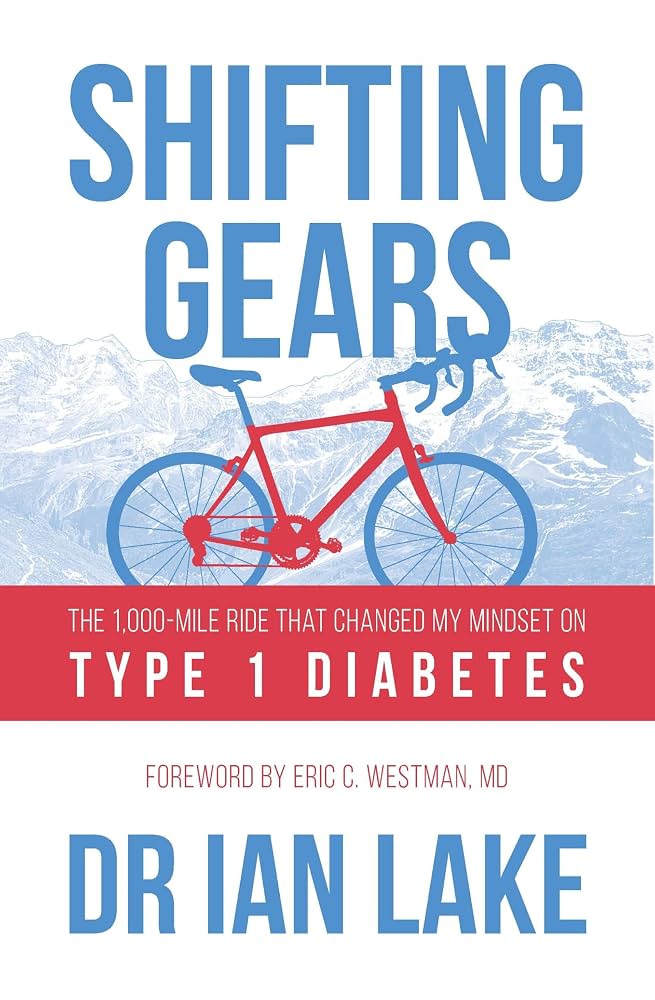
It started with an omelette. “The morning I cracked three eggs into a pan of melted butter, I did not know I was beginning a revolution.” It was, writes Gloucestershire GP Dr Ian Lake in his new book Shifting Gears, “the first moment of clarity I had had in over two decades of living with type 1 diabetes (T1D).”
Diagnosed with T1D in 1995 while in his mid-30s, Lake followed the established regimen derived from the prevailing reasoning that carbohydrates raise blood sugar concentrations; insulin lowers them; and by calculating carbohydrates and matching insulin, the two would “meet like dance partners, arriving together, moving in sync”, and seamlessly lower glucose concentrations. But after 20 years Lake had failed to match insulin to carbs: If he didn’t sleep well or exercised too late or was stressed “or even if the weather changed, my blood glucose could spiral out of control”.

Then he learned about T1D patient and physician Dr Richard Bernstein, who “found stability through a low-carb diet and minimal insulin”, and after that three-egg omelette, which went against everything Lake had been taught: “[M]y glucose graph barely moved. And it stayed flat – no post-meal correction. No hypo two hours later.” With growing confidence in applying his low-carb, high-fat strategy, Lake’s insulin doses halved, his glucose variability fell, his energy rose, and his brain fog disappeared. It’s summarised in the title of chapter 21: ‘Insulin: As Much as Needed, as Little as Possible.’
From this, Lake’s five foundations of health evolved: Nutrition, based on real food; exercise to promote insulin sensitivity; altered mindset from which a lighter psychological burden ensues; environment, learning how light, temperature and stress affect glucose concentrations; and circadian rhythms, with body clock hormonal regulation enabling more precise insulin dosing.
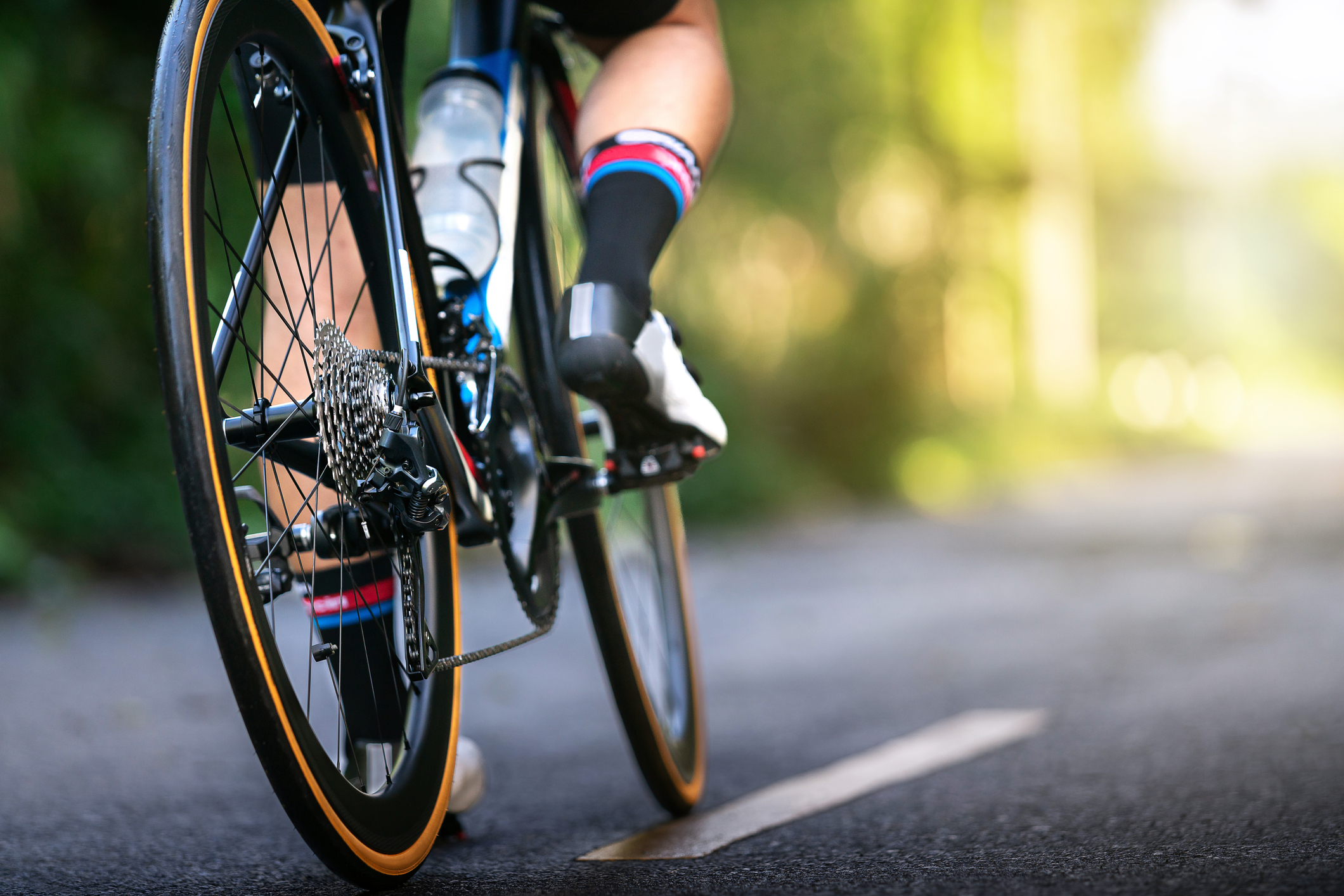
This new model of care – “optimised insulin, rooted in biology, but personalised by lived experience” – was put to the test in a bicycle trip of over 1,000 miles from Stroud, Gloucestershire, to St Moritz, Switzerland. En route, Lake would not only explore how accessible his low carb/ketogenic-based lifestyle might prove to be, but he’d also track his blood glucose, ketone and insulin concentrations, heart rate, food intake, and distance. Could optimised insulin carry him over the Alps, and could his five foundations of health keep him metabolically steady, fuelled, and well? It is not really a spoiler to say Lake writes they could.
Shifting Gears is two books in one, with alternating chapters detailing aspects of Lake’s cycling adventure (enhanced by a quiet, self-deprecating humour) and providing clear explanations of insulin biology – including historical insights and biochemical aspects – and how it impacts our daily lives. A particular delight for me, a self-identifying Luddite, was learning how to use my antique mobile phone to access, for the first time, the QR codes that complete each cycling chapter, supplying the route map and high-quality photographs taken throughout his journey. Although Lake has written Shifting Gears “primarily for my fellow T1s… [and] …I have put all of my learning about T1D into this book”, all readers – diabetic or not, medics or not – will be rewarded with an enriched understanding of the mechanisms involved in T1D and its management. The author adduces abundant peer-reviewed evidence bolstered by 30 pages of references, with each reference helpfully summarised, and the rhythm of his plain-spoken prose gives elegant shape to his common-sense approach. The more I read and learned, the more embarrassed I became at my own ignorance of insulin biology and the daily demands imposed on those living with T1D as they attempt to achieve metabolic stability.
Lake’s undercutting wit – struggling to don wet clothing, and “yesterday’s socks… were pretty foul, really” – combined with honest self-appraisals of where he erred, make for a refreshing read.
For example, we learn that the author experienced only two hypos throughout his entire three-week trip, and they occurred during the first two days. But “[t]hat is the thing about experimenting. Sometimes you get it wrong.” At the end of his epic journey, Lake arrived in St Moritz ready to attend a Keto Live medical conference the following day, and the reader, by now familiar with his meticulous planning, can infer that he’d packed a fresh pair of socks for the occasion.
Gloucestershire is fertile ground for revolutionary medics – in Berkeley, Edward Jenner (1749–1823) pioneered the concept of vaccines; Cirencester-based GP Robert Edgar Hope-Simpson (1908–2003) uncovered the link between chickenpox and shingles and challenged traditional thinking on influenza epidemiology; and with Shifting Gears, Stroud GP Lake is attempting to revolutionise how we think about T1D and insulin management. This is a book that will ruffle a few feathers.
As Lake notes: “Paradigms shift. And I believe we are on the brink of such a shift.”
“Lake’s undercutting wit… combined with honest self-appraisals of where he erred, make for a refreshing read”








Leave a Reply
You must be logged in to post a comment.