



A virtual ward pathway designed for national implementation has been developed for adults newly diagnosed with diabetes requiring insulin therapy.
Developed through collaboration between St Vincent’s University Hospital (SVUH), Dublin; Wexford General Hospital (WGH); and St Luke’s General Hospital (SLGH), Kilkenny, the initiative aims to improve the patient experience, reduce avoidable hospital admissions, and shorten hospital stays.
The virtual pathway aims to support patients to start insulin safely in their own homes, with guidance from a specialist virtual ward team.
Eligible patients are identified by the treating clinician following exclusion of diabetic ketoacidosis, hyperosmolar hyperglycaemic state, and other acute conditions necessitating inpatient care.
Following medical assessment, patients are onboarded by virtual ward nurses, who deliver structured education on insulin administration, continuous glucose monitoring, hypoglycaemia management, and use of remote monitoring technologies.
Using the DOCLA virtual ward platform, patients are remotely monitored through standardised questionnaires, with protocols in place to identify and respond to any concerns. Ongoing support is provided until patients receive formal review by the diabetes inpatient service.
The pathway is also supported by the development of patient education resources and accredited nursing training modules, with the aim of standardising care and supporting wider implementation across Ireland.
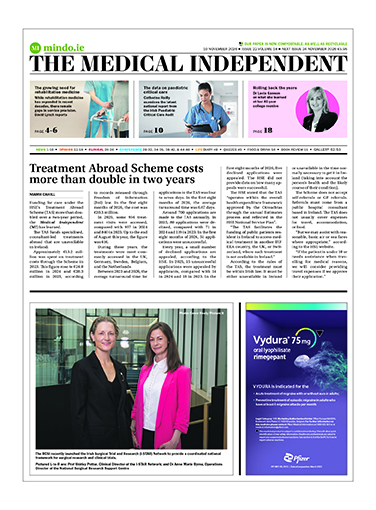
A poster study on the pathway is being presented at the Irish Endocrine Society (IES) Annual Meeting, which is taking place on 13–14 November at University College Cork.
“This pathway provides a national framework for safe insulin initiation outside the acute hospital setting and establishes the infrastructure for future evaluation of clinical outcomes, patient experience, and healthcare utilisation,” according to the authors, who are based at SVUH, WGH, and SLGH.
Meanwhile, an oral presentation to be made during the IES Annual Meeting will outline Ireland-specific guidance to support healthcare professionals to use person-centred, strengths-based, and non-judgemental communication with and about people living with diabetes.
A multidisciplinary working group, including people living with diabetes, clinicians, researchers, and advocacy organisations, co-developed the guidance through an iterative consensus process informed by international ‘Language Matters’ resources, Irish research, and lived-experience testimony.
The guidance defines core principles such as respecting individual language preferences; using person-first language when preferred; avoiding blame, fear, labels, and moral judgement; describing clinical data neutrally; validating emotional experience; and supporting collaborative self-management.
“Embedding Language Matters principles across Irish diabetes services provides a practical approach to strengthening therapeutic relationships, improving engagement, reducing shame and stigma, and advancing equitable, person-centred diabetes care,” according to the authors.
The multidisciplinary group included members from hospitals, universities, the HSE, Diabetes Ireland, and the Irish College of General Practitioners, with additional international contributions.
World Diabetes Day 2026 will take place on 14 November. This year’s campaign focuses on early diagnosis and risk reduction.










Leave a Reply
You must be logged in to post a comment.