Credit: iStock.com/JackF
There needs to be increased awareness among healthcare professionals and the general public about what exercises are – and are not – suitable for those with osteoporosis, the Irish Osteoporosis Society (IOS) 2025 Annual Medical Conference for Health Professionals heard.
Ms Ciara Shields, Chartered Physiotherapist and Clinical Specialist in Musculoskeletal Physiotherapy, IONA Physiotherapy, Drumcondra, Dublin, gave a presentation on what exercises those with bone loss should not be doing. She stressed that patients with low bone density need to be doing more physical activity, but must be supported on how to do this safely.
“The overarching message we need to give to patients is that exercise is really good for their bone health and that inactivity should be avoided,” according to Ms Shields.
She warned that patients are at risk of fracture from doing the wrong physical activities, such as higher-impact exercise like skipping, brisk walking, or jogging in those with a history of low-trauma, vertebral fractures, or who are very elderly or frail.
Ms Shields also cautioned against stretching exercises with excessive forward flexion stretches, which can lead to compression fractures. When a person bends forward at their waist, especially if their legs are straight, it compresses the anterior aspect of the lumbar vertebrae, increasing the risk of fractures.
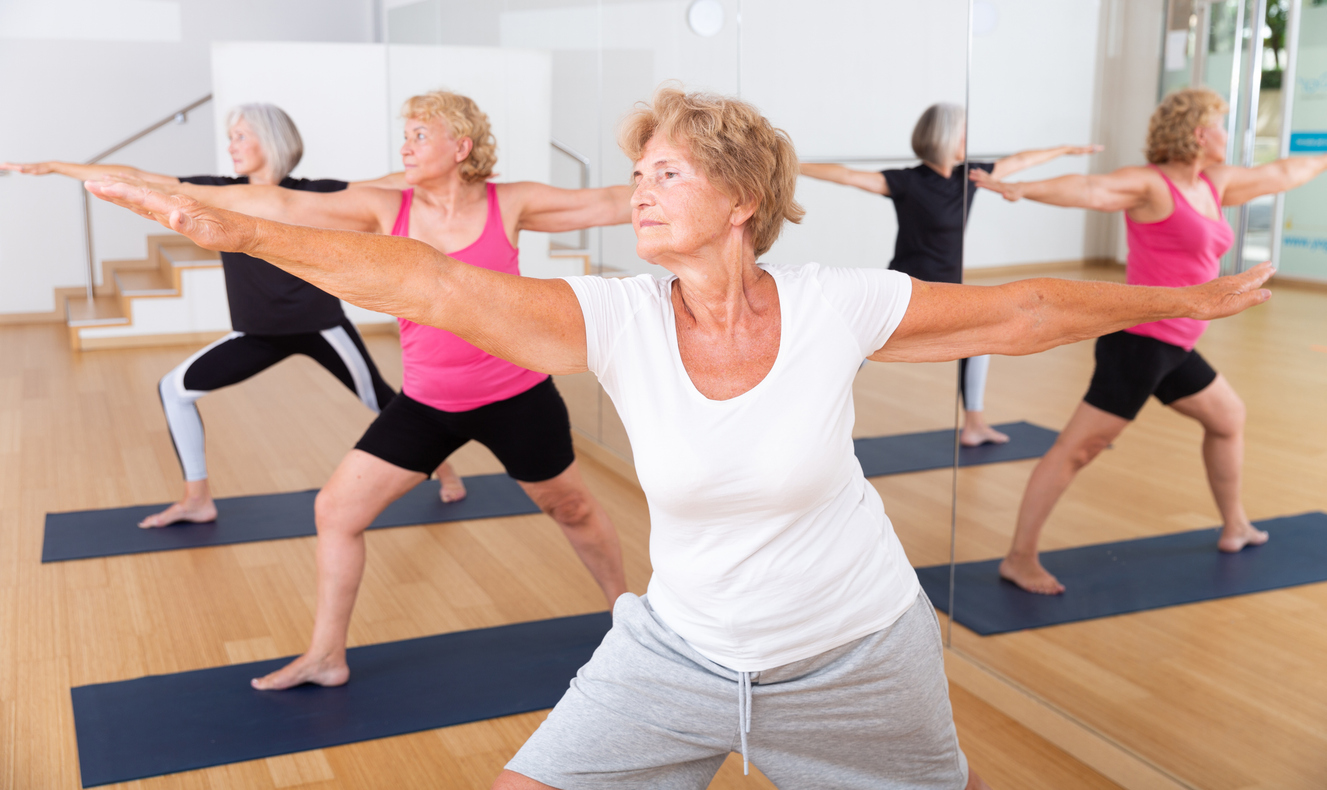
IOS President Prof Moira O’Brien said that many osteoporosis patients are being told they should do yoga or Pilates for their bone health, despite the Society not recommending yoga or chair yoga. The IOS receives many calls from people who have fractured vertebrae doing forward flexion stretches, as well as experiencing disc and sciatic nerve problems, she said.
Ms Shields also highlighted issues with patients following the Liftmor high-intensity resistance and impact training exercise programme. She questioned the criteria used in the Liftmor trial, reminding healthcare practitioners to be careful and evidence-based in their exercise recommendations, pointing out that 70 per cent of vertebral fractures are undiagnosed.
Prof O’Brien echoed her comments on the Liftmor trial: “The IOS’s concern with this trial is that they relied on self-reporting for adverse outcomes. We believe it is misleading to say that there were no adverse outcomes, given the accepted lack of reliability with self-reporting, along with the fact that the exclusions for the trial caused a significant cohort of people to be excluded from participating in the trial.”
Prof O’Brien stated that she would not recommend anyone follow the Liftmor programme, because, in her opinion, she does not believe it is safe or appropriate.
In relation to what exercise people with bone loss should be doing, Ms Shields said walking is important and increases bone density.
However, she said, on its own, walking is not sufficient to reduce falls or fracture risk, so weight-bearing exercise, including strength and balance training, is vital.
“The goal is to reduce the risk of fracture; and falls, rather than bone density, are the greatest predictor of fracture. Just telling them to go for a walk is not enough,” Ms Shields explained.
Strength and balance exercises may be required before increasing physical activity to improve bone health, as well as the appropriate scans first to ensure there are no undiagnosed fractures, she stressed.
“And remember that exercise needs to be considered an adjunct to pharmacological treatment rather than instead of,” Ms Shields concluded.
The IOS has a number of exercise resources on its website at www.irishosteoporosis.ie/information-support/exercises-for-osteoporosis/.












Leave a Reply
You must be logged in to post a comment.