



Reference: October 2025 | Issue 10 | Vol 11 | Page 59
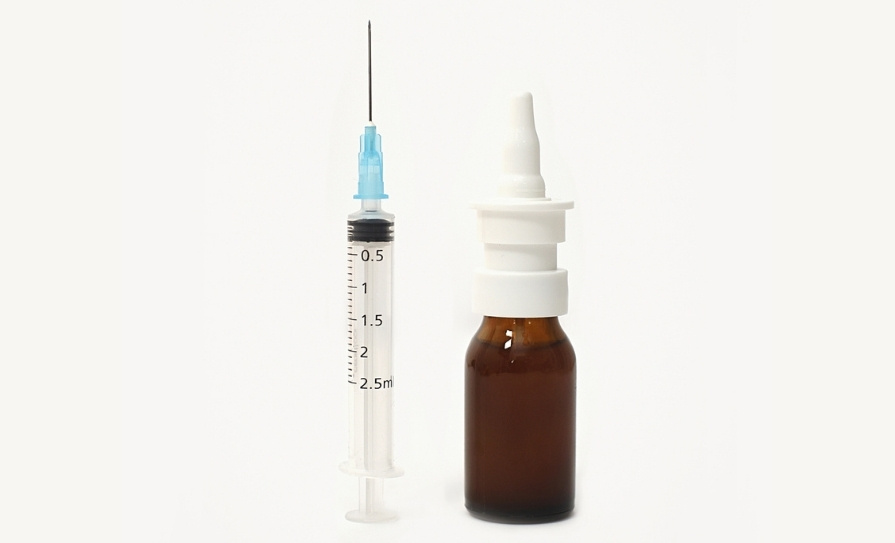
A study presented at the recent European Emergency Medicine (EUSEM) Congress found liquid or powder nasal sprays are as effective, and sometimes even better, than injection devices for delivering adrenaline.
The systematic review included five international studies comparing intramuscular-injected adrenaline devices, such as EpiPens, with nasal sprays. The studies took place in Israel, Canada, Thailand, the US, and Japan.
Data analysis revealed that absorption of the nasal sprays was comparable or even faster than injections, taking a maximum of 2.5 to 20 minutes, compared to nine to 45 minutes for the injected adrenaline.
Similar or higher levels of adrenaline were seen in blood plasma for the nasal sprays, while heart rate and blood pressure were similar between patients who received adrenaline via a nasal spray or an injection. Side effects of the nasal spray were mild and passed quickly.
Importantly, nasal sprays last longer and are more portable than injection devices. The shelf life of nasal sprays is two years, while injection devices have to be replaced every 12-18 months. Nasal sprays also tend to be smaller and more portable than injection devices.
Presenting the research at the EUSEM Congress, study author Dr Danielle Furness, said: “My review found intranasal adrenaline, a needle-free alternative delivered as a liquid or dry powder spray, can be as effective as the EpiPen, with some forms reaching the bloodstream even faster.”
She added: “If approved for use, nasal sprays could become a suitable and equally effective needle-free alternative to the EpiPen, which is the current treatment for anaphylaxis.
“Patients would still need clear instructions on how and when to use a nasal spray, but it could improve timely administration of adrenaline, especially for people who are afraid of needles, or in public, out-of-hospital settings, which could reduce the rates of hospitalisations. For doctors, it is another tool that could help prevent delays in treatment.
“I believe that once strong, real-world evidence supports the safety and effectiveness of nasal sprays, they could be incorporated into national anaphylaxis guidelines. An initial rollout should include close and strict monitoring, encouraging doctors to report any cases where it may not have worked as expected, to ensure patient safety and maintain confidence in the treatment.”
The review has several strengths, including that it looked at both liquid and dry powder-based nasal spray, comparing them directly to the current gold standard of injected adrenaline. It investigated the effects of the different delivery systems on blood pressure and heart rate, and not just how quickly the drug entered the bloodstream, and the trials took place in several different countries.
However, there were limitations. All of the studies were phase 1 trials, in which the different delivery systems are tested in healthy adults who were not experiencing anaphylaxis. Some of the studies had small numbers of patients, and there were differences in the doses and delivery devices tested. There are no long-term safety data yet, and it is uncertain how the nasal sprays will perform in everyday use outside of controlled trial conditions.
Reference
Furness D. Intranasal adrenaline in comparison with intramuscular adrenaline for adults with anaphylaxis: A systematic review of pharmacokinetics, safety, and efficacy. Abstract no: OA063. European Emergency Medicine Congress. Vienna, Austria. 28 September to 1 October 2025.