Reference: April 2026 | Issue 4 | Vol 12 | Page 8
Long-term exposure to air pollution worsens the severity of obstructive sleep apnoea (OSA), according to research presented at ERS 2025.
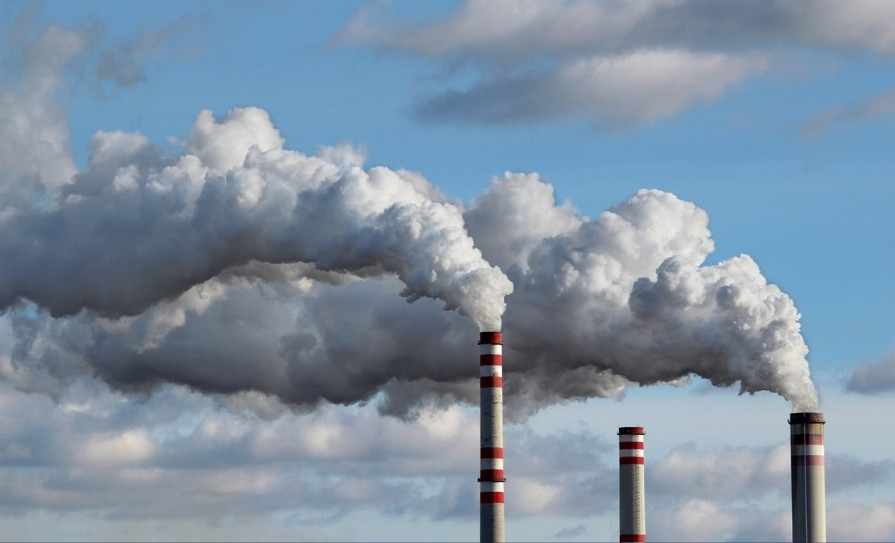
The study, which analysed data from across Europe, highlights the potential impact of particulate matter (PM10) on sleep-related breathing disorders and raises concerns about environmental influences on respiratory health.
Using records from the European Sleep Apnoea Database (ESADA), researchers examined data from 19,325 patients with OSA and linked it with PM10 concentration levels extracted from the Copernicus Atmosphere Monitoring Service.
The study assessed the association between one-year average exposure to PM10 and OSA severity, measured via the apnoea-hypopnoea index, oxygen saturation, and time spent with oxygen levels below 90 per cent. Statistical models were adjusted for factors including age, sex, BMI, smoking status, humidity, temperature, and season.
The analysis revealed that for every one-unit increase in long-term PM10 exposure, there was a corresponding 0.41 increase in the apnoea-hypopnoea index (95% CI 0.21-0.67), indicating a clear link between particulate air pollution and more severe sleep apnoea.
However, no significant associations were observed for oxygen saturation or T90, suggesting that air pollution primarily affects the frequency rather than the depth of apnoeic events.
The relationship between PM10 exposure and OSA severity varied significantly between regions, with some European centres showing stronger associations than others.
The findings support the growing body of evidence connecting air pollution to worsening respiratory and sleep health.
Reference
Pengo M, et al. Association between air pollution and sleep disordered breathing severity across Europe. Abstract PA5662. European Respiratory Society Congress 27 September-1 October 2025. Amsterdam, Netherlands.