Reference: April 2026 | Issue 4 | Vol 12 | Page 5
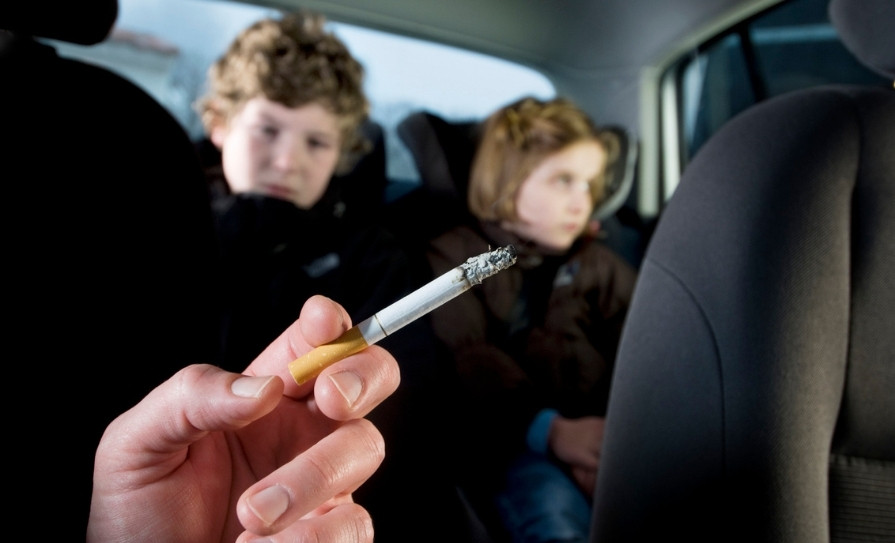
The world’s children lose 8.45 million days of healthy life each year globally due to second-hand smoke, according to research presented at ERS 2025. Children from low socio-economic regions face the biggest impact.
In the first global study to examine the impact of second-hand smoke on children under 14 years of age, researchers analysed data from the Global Burden of Disease Study to estimate disability-adjusted life years (DALYs) attributable to second-hand smoke across major disease categories from 1990 to 2021 in children aged 0 to 14 years.
Temporal trends were assessed using estimated annual percentage change (EAPC) with 95 per cent uncertainty intervals. Associations with the Socio-Demographic Index (SDI) were also examined.
Data analysis revealed that, in 2021, second-hand smoke exposure contributed to 3.79 million DALYs from lower respiratory infections, 0.80 million from otitis media, and 3.86 million from respiratory infections and tuberculosis globally among children. A strong negative correlation was observed between SDI and age-standardised DALY rates (ASDRs).
High-SDI regions reported an ASDR of 7.64 per 100,000 for lower respiratory infections, compared to 302.43 per 100,000 in low-SDI regions. Similarly, ASDRs associated with respiratory infections/tuberculosis were 10.25 in high-SDI regions verses 305.40 per 100,000 for in low-SDI regions.
Presenting the findings, lead author Dr Siyu Dai, Assistant Professor of Clinical Medicine, Hangzhou Normal University and an Honorary Research Associate, Department of Paediatrics, Chinese University of Hong Kong, said: “The impact of second-hand smoke on children’s respiratory health remains severe, but in some parts of the world, children are suffering even more than in others.
“Children in lower-SDI regions bear a disproportionate share of this preventable health burden. This likely reflects a combination of factors such as lower public awareness about the dangers of second-hand smoke, more overcrowded and poorly ventilated homes, and weaker tobacco control policies. These conditions may lead to higher exposure for children.
“In 2021 alone, exposure to second-hand smoke was linked to nearly 8.45 million years of healthy life lost due to respiratory infections and tuberculosis, highlighting a preventable burden that falls most heavily on the least developed areas. Children are losing all these years of healthy life, but this could be prevented if they were protected from other people’s smoke,” she added.
Dr Dai plans to carry out further analyses of second-hand smoke-related respiratory disease burden based on age, gender, and other factors, to support more precise and targeted interventions in the near future.
Dr Filippos Filippidis, Chair of the European Respiratory Society’s Tobacco Control Committee, Imperial College, London, UK, who was not involved in the research, said: “This study quantifies the enormous harm children are suffering from second-hand smoke around the world. It is a wake-up call that we need to do much more to protect children.
“In particular, we need to create and enforce laws that limit smoking in places where children live or go to school. However, the most efficient approach is to reduce smoking across all age groups, which would substantially limit second-hand smoke exposure for children as well.
“As tobacco companies intensify marketing of emerging products, such as e-cigarettes and heated tobacco, it is also important to explore how these may indirectly affect children’s health when they are exposed to second-hand vapours.”
Reference
Dai S, et al. Global trends and regional differences in the burden of disease attributable to second-hand smoke exposure in children during 1990-2021: An analysis of the Global Burden of Disease study. Abstract OA5371. European Respiratory Society Congress 27 September-1 October 2025. Amsterdam, Netherlands.