Reference: May 2026 | Issue 5 | Vol 12 | Page 42
The first authorised treatment specifically for epidermolysis bullosa (EB) in Ireland – a topical gel known as Filsuvez, developed by the pharmaceutical group Chiesi – has been made available following a recommendation from the National Centre for Pharmacoeconomics (NCPE) to the HSE.
This decision represents a major shift in how the condition is managed in the country and it has been widely welcomed by patients, clinicians, and advocacy groups alike. EB charity Debra called the landmark development a “transformative moment” for those with the burdensome skin condition.
Around 300 people in Ireland suffer from EB, more commonly known as ‘butterfly skin’. Simplex, junctional, Kindler, and dystrophic EB are the main subtypes of the disorder, with dystrophic being the most severe form. The specific type of EB is determined by the affected gene.
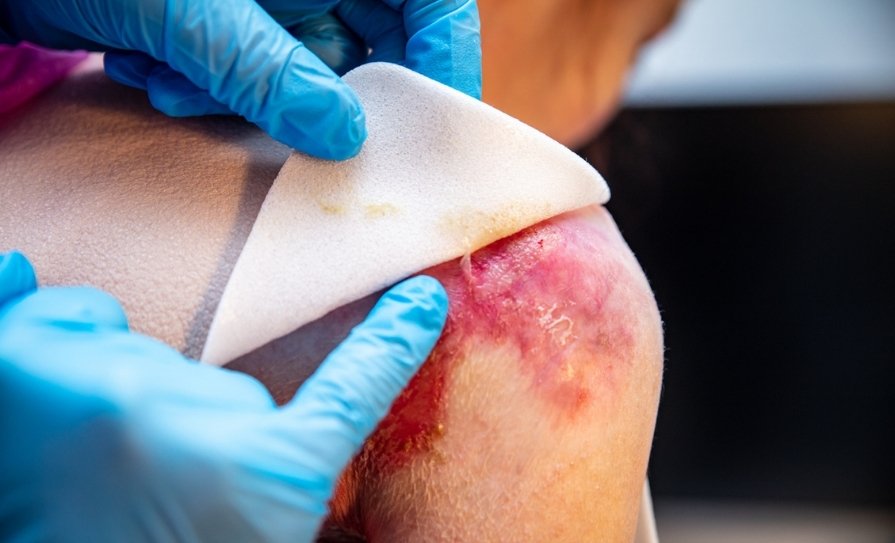
The rare disorder is caused by an absence of proteins between skin layers, meaning skin becomes ultra fragile and blisters or tears at the slightest friction. Patients are therefore vulnerable to chronic wounds, infection, and significant pain.
For people and families living with the incurable disease, daily life can revolve around wound care and constant vigilance. Treatment options in Ireland have been generally limited to supportive measures such as bandaging, pain relief, and infection prevention.
In the most debilitating cases, such as recessive dystrophic EB, bandage changes are a daily necessity. For many patients, this process of bandage changes can last three to four hours at a time and cause agonising pain. That reality could now significantly change.
Filsuvez gel promotes the healing of wounds associated with dystrophic and junctional EB. It contains a dry extract from two species of birch bark, consisting of naturally occurring substances known as triterpenes, which include betulin, betulinic acid, erythrodiol, lupeol, and oleanolic acid. Its efficacy was demonstrated in the Phase III EASE trial (Efficacy and Safety of Oleogel-S10 in EB), in which significantly more patients achieved complete wound closure compared to those who did not receive the gel.
Individuals with dystrophic, junctional, or Kindler EB and a target 10-50cm2 partial-thickness wound lasting more than 21 days, but less than nine months, were enrolled. Complete wound closure within 45 days occurred in 41 per cent of patients receiving treatment versus 29 per cent in the control group. Adverse events were similar in both cohorts. Findings from the EASE study were supported by regulatory reviews from the European Medicines Agency and US Food and Drug Administration, confirming improved healing outcomes and a generally favourable safety profile.
Filsuvez is applied to a sterile, non-adhesive wound dressing or directly to the skin. It will now be accessible to those prescribed it by their consultant. The HSE has agreed to pay all or most of the cost of the drug, depending on what scheme patients qualify for.
The NCPE recommended that the gel be considered for reimbursement last year. It will now be covered under the High Technology arrangement for patients aged six months or older with junctional or dystrophic EB. Pricing for the bandages is not expected to be out of reach of those living with EB as the materials used are widely available and completely harmless to the skin.
“Filsuvez is a promising start, as it can offer temporary pain relief, and we hope it will mark the beginning for the treatment of EB in Ireland,” said Debra CEO, Jimmy Fearon, who also emphasised that Ireland lags behind other European countries in introducing new drugs to the market. “This has been a long journey and marks a transformative moment for people living with this rare skin condition.”
Mr Fearon also pointed to promising developments that have been made through the recent publication of a new framework agreement on the pricing and supply of medicines. The availability of a treatment in Ireland marks a significant step towards improving the quality of life and easing the daily burden on patients and caregivers, the charity said.
“This decision represents hope, dignity, and meaningful progress for EB patients and their families. For too long, people living with EB have had no approved treatment options. Ireland is in the lowest quartile in Europe for introducing new drugs to the market.
“The average timeline from European Medicines Agency decision to reimbursement in this country is 1,024 days, far beyond the 611-day average in the rest of Europe. The HSE’s commitment to reimburse Filsuvez is a powerful acknowledgement of the urgent unmet need within this community.”