



Fifteen years ago, in the wake of publicly reported cancer misdiagnoses in Canada, Toronto-based pathologist Prof John Srigley and his colleagues began working to develop a more robust system for quality assurance and diagnostic accuracy. Their search for an effective model led them to the RCPI.
“Between 1990 and 2010 in Canada, there were a number of debacles in pathology,” according to Prof Srigley, who will be presenting at the RCPI Faculty of Pathology Annual Symposium on 12–13 February.
“There were a number of situations where patients were being diagnosed with certain cancers and, when having their resection procedures done, the cancer was not found. They were false positive cancer diagnoses.”
At the time, the RCPI Faculty of Pathology had recently developed the National Histopathology National Quality Improvement Programme after a number of high-profile cancer misdiagnosis cases in Ireland between 2007 and 2008.
This evidence-based programme sets targets for histopathology laboratories to track their performance in key areas. Prof Srigley came across the programme and reached out to the Faculty’s then-Dean Prof Conor O’Keane.
“We found the Faculty of Pathology at RCPI were actually leaders in this,” according to Prof Srigley. “We contacted Conor, and we incorporated parts of the programme into our models for quality assurance, first on a provincial level developing the standards system for Ontario, and then on a national level. We had our documents vetted by the College before we finalised them and got agreement across our country.”
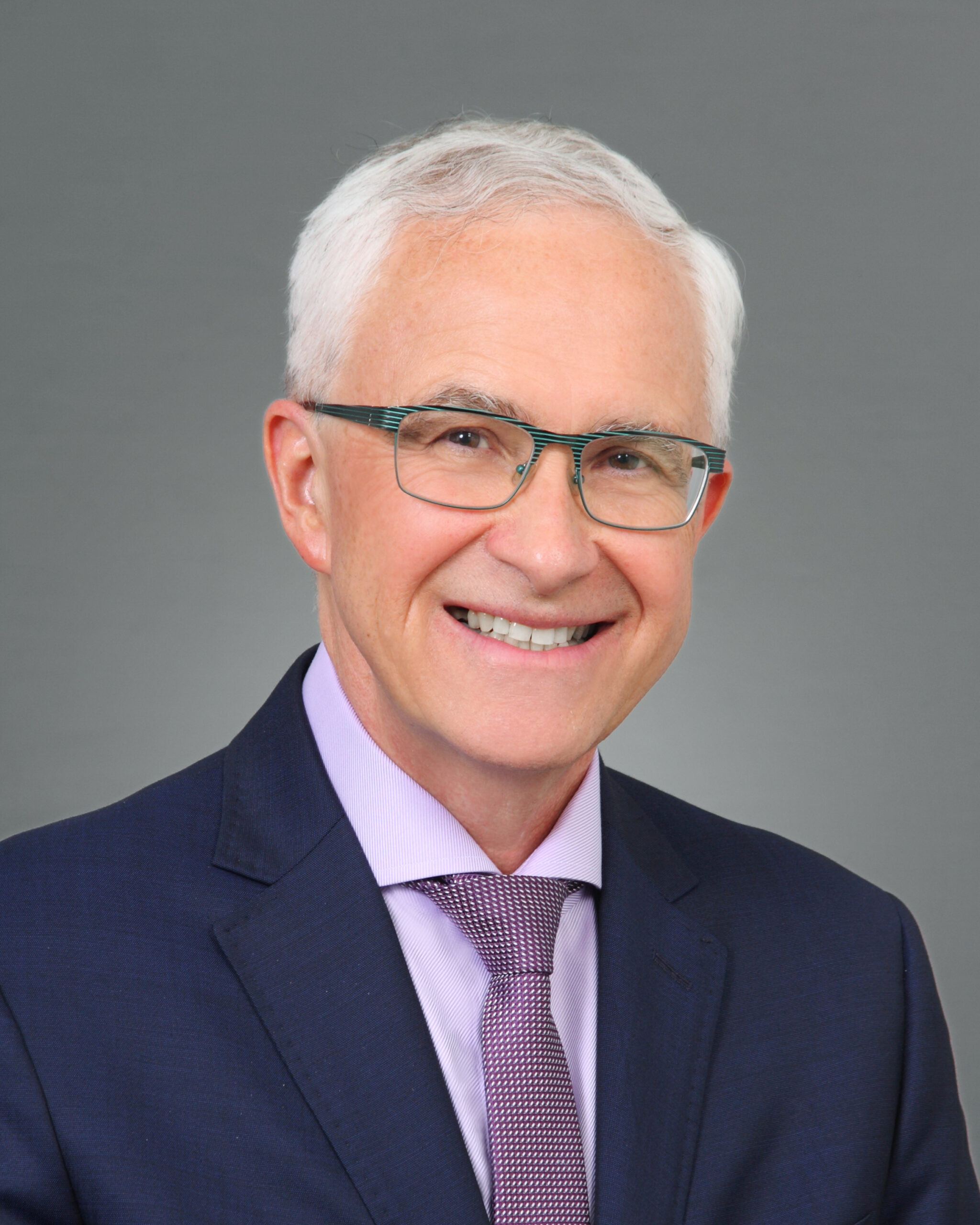
Prof Srigley is currently Senior Consultant in Oncological and Urological Pathology in the Program of Laboratory Medicine and Genetics at Trillium Health Partners, one of the largest community-academic hospitals in Canada. He is also a Professor in the Department of Laboratory Medicine and Pathobiology at University of Toronto.
Prof Srigley says securing resources for pathology in Canada is challenging. He has found that reframing how pathologists operate and are perceived within cancer care can serve as an effective way to advocate for greater support and resources.
Reframing pathology
In 2009, he published a provocative article in Pathology titled ‘The Pathologist as Diagnostic Oncologist’. He will explore this reframing of pathology during his presentation at the RCPI Faculty of Pathology Annual Symposium.
While developing a quality assurance programme inspired by RCPI’s National Histopathology Quality Improvement Programme following high-profile cancer misdiagnoses in Canada, Prof Srigley and peers managed to get backing from the Canadian Partnership Against Cancer, founded by the Canadian government to steer a national cancer strategy.
“They realised the diagnostic stage of the patient’s cancer journey was very important and we had to get it right; we needed it to be high quality,” he said.
“This allowed us to get a lot of resources over the years to help improve the quality of pathology, the quality of pathology reports and the data we include in them. That’s how we’ve used the ‘diagnostic oncologist’ concept over the years, for some political gain and for resources.”
In 2009, Prof Srigley and overseas colleagues realised they could establish the non-profit International Collaboration on Cancer Reporting (ICCR) by harmonising the guidelines of the Royal College of Pathologists UK, the College of American Pathologists and the Royal College of Pathologists of Australasia into internationally agreed data sets freely available for pathologists around the world to use.
The ICCR serves as a bridge between global standard-setters, including the World Health Organization Classification of Tumours, the American Joint Committee on Cancer (AJCC), and the Union for International Cancer Control (UICC). Standardising electronic reporting of cancer datasets also helps ensure the collection of high-quality data for national cancer registries. The current ICCR President, Prof Kieran Sheahan, is a Fellow of the RCPI Faculty of Pathology and a histopathologist at St. Vincent’s University Hospital.
What message does Prof Srigley hope attendees at RCPI’s symposium will take home with them? “I think the key message, especially for younger pathologists, is to think beyond your routine diagnostic work,” he said.
“They should be getting involved in some of the bigger-picture things going on in terms of improving quality in medicine generally.
“A lot of people hunker down in their specialty and produce their reports but they don’t get out there and interact with other organisations. What I’ve found over the years is that’s where you really get some traction in terms of moving things forward in terms of resources and connections with the broader community in oncology,” he said.
“I think the big message is not to keep just within that specialty but think a little bit broader: Get involved in other areas of medicine, get involved in some committee work, and see some of the big-picture stuff out there.”