








The importance of the gut microbiome hardly needs restating. Recent years have seen a welcome recognition of gut microbiota as an essential element of human health – here’s a quick recap on some facts and recent research.
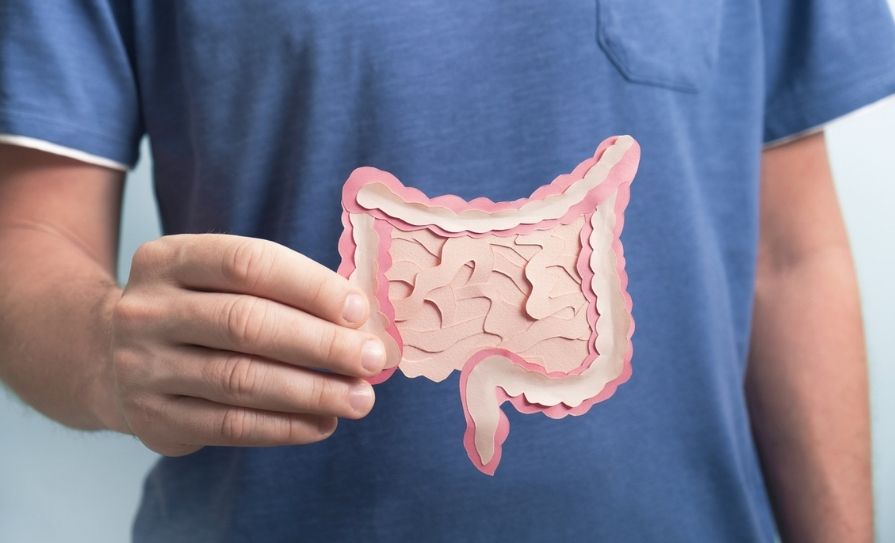
The human gut contains an immense number of microbial cells. In total, they number around 100 trillion microbes, or 5,000 different species. Together, they weigh around two kilograms.
Gut microbiota differ in individuals with obesity compared to people with lower weight and those with atherosclerosis, diabetes, and metabolic syndrome. However, the importance of these differences is not yet fully understood.
It has been traditionally accepted that diet has the biggest influence on gut microbiota health, but recent research from the University of Cambridge in the UK shows that 168 common chemicals can disrupt the growth of beneficial gut bacteria.
The team discovered that some of these substances also promote antibiotic resistance and they can be found in water, food, and household items that were not previously suspected of having an adverse effect on living bacteria. The discoveries are aided by a new machine-learning model to help predict which substances are most harmful.
In their struggle to adapt to chemical pollutants, gut bacteria seem to develop resistance to certain antibacterial agents. The team looked at 1,076 chemical contaminants and how they affected 22 species of gut bacteria. It was a large laboratory undertaking and was focused on human-made chemicals.
The usual culprits you might expect to pop up made their appearance – herbicides and insecticides used on crops and some industrial chemicals that lurk in flame retardants and plastics. However, the authors pointed out that standard safety evaluations for chemicals do not take into account the influence on the gut microbiome, because the majority of chemicals are designed to act on specific targets, such as insects, for example.
“Are our results relevant for real-world exposure scenarios in humans?” the authors wrote in Nature Microbiology.
“Many of the compounds in our study (for example, melamine and mepiquat) have been found in micromolar concentrations in human blood, implying similar or higher concentrations in the gastrointestinal tract. The concentrations for individuals living in polluted areas and with high occupational exposure (for example, from unprotected pesticide spraying, which is common in much of the developing world), are likely to be much higher. Yet, there are no cohort data available that track both chemical exposure and microbiome dynamics.”
Even such a large-scale laboratory endeavour leaves us with many unanswered questions. The researchers explained that while our gut bacteria are almost certainly coming into contact with a lot of the pollutants used in the research, the precise amounts that end up reaching the gut itself remain mysterious. The next step in this research will be to establish the total chemical exposure throughout the body.
Senior author Prof Kiran Patil commented: “The real power of this large-scale study is that we now have the data to predict the effects of new chemicals, with the aim of moving to a future where new chemicals are safe by design.”
“Now we’ve started discovering these interactions in a laboratory setting, it’s important to start collecting more real-world chemical exposure data, to see if there are similar effects in our bodies.”
The best we can do for now, advise the authors, is to make sure we wash those fruit and veggies thoroughly before we eat them.
“Our understanding of the ‘normal’ microbiome patterns, including what constitutes a healthy versus diseased pattern, is still in its infancy,” states the National Institutes of Health in the US. “Only a few associations have been established in human studies thus far.
“…. ‘Normal’ gut microbiota in healthy persons include such pathogenic strains as Escherichia coli and Enterococci – but as of yet, there is no clear distinction of which are the good versus the bad bacteria, or if some have both roles.”
While we are understanding more and more about gut microbiota, we clearly still have a lot to learn about it, and how its preservation can enhance human health and wellbeing. Just as we begin to understand more about gut microbiota, it seems we have a whole new field of unknowns when it comes to how they are influenced by pollutants.










Leave a Reply
You must be logged in to post a comment.