







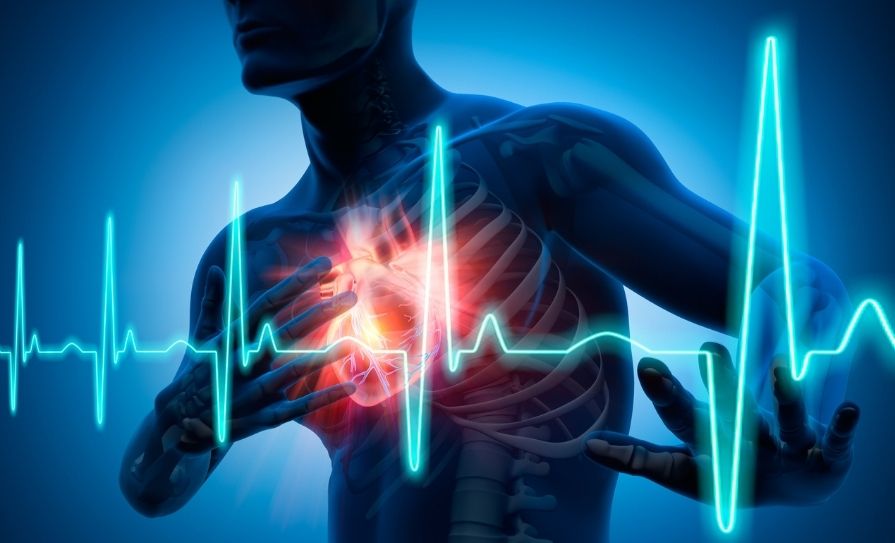
A new study by researchers from the UK and Finland has concluded that myocardial infarction (MI) may in fact have a contagious element to it. Such a finding has the potential to significantly enhance our understanding of the pathogenesis of MI and possibly pave the way for new treatments.
The basic hypothesis is that a particular type of infection may trigger an MI. The authors used advanced methodologies to examine the role of the immune system in bacterial-induced inflammation of atherosclerotic plaques. Using bacterial real-time quantitative polymerase chain reaction, genome-wide expression analysis and immunohistochemistry, the researchers looked at coronary plaques from 121 sudden death victims, as well as endarterectomy samples from 96 surgical patients. In bacterial-activated TLR cell lines, Toll-like receptor signalling was also examined.
They found that in cases of coronary artery disease, atherosclerotic plaques that contain cholesterol can contain an asymptomatic biofilm. This biofilm may have been created by bacteria – possibly over a period of decades – and the bacteria in this gelatinous biofilm stay ‘protected’ from both antibiotics and the patient’s immune system due to their inability to penetrate the biofilm matrix.
An external factor, such as a viral infection, can activate this biofilm, which leads to an inflammatory response and the bacteria subsequently being ‘triggered’. This can rupture the fibrous cap of the plaque, leading to thrombus formation, and potentially MI.
Of course, the role of infectious agents in the inflammation of coronary plaques has been a topic of interest for some time. Some long-term antibiotic trials were dedicated to the subject, with varying results.
However, this new study demonstrates the presence of DNA from several oral bacteria inside atherosclerotic plaques, suggesting that a microbiome is involved.
“In the present study, we aimed to investigate the role of oral bacteria, and particularly that of viridans streptococci, and the innate immune system in the inflammation of atherosclerotic plaques, in addition to examining their role as a risk factor for a fatal MI,” wrote the authors.
They provided more details on the results: “The most common bacterial DNA detected in both series belonged to oral viridans group streptococci (Streptococcus spp, mainly Streptococcus mitis group), which were found in 42.1 per cent of the autopsy‐obtained coronary plaques and in 42.9 per cent of the surgical samples. Streptococcal DNA positivity was detected in 35.0 per cent of the proximal RCA samples with AHA type I or II (early atherosclerosis), in 52.6 per cent in samples with AHA type III or IV (mild-to-moderate atherosclerosis), in 42.1 per cent in samples with AHA type V (fibroatheromas or partially calcified plaques), and in 60 per cent in samples with AHA type VI (plaque rupture and thrombosis/hemorrhage), showing a non-significant trend….”
The results, the authors point out, suggest that the change from a stable, soft-core coronary atheroma into a vulnerable, rupture-prone coronary plaque may be influenced by a chronic bacterial infection. Likewise, the development of symptomatic peripheral arterial plaque may also be influenced by such infections.
Most chronic infections are currently considered to be due to bacterial biofilms, the researchers explain. The viridans streptococci group is known for its unique ability to attach onto various surfaces and begin the development of a dental biofilm. In the form of a biofilm, bacteria are mainly beyond the reach of therapeutic antibiotics and elude the innate immune system by freeing-up extracellular polymeric substances that prevent the outer wall structures of the bacteria from being recognised, said the researchers.
“This finding adds to the current conception of the pathogenesis of MI and opens new possibilities for the diagnostics and prevention of the fatal complications of atherosclerosis, in addition to focusing on biofilms as targets for new anti-atherosclerotic therapies,” according to the conclusion.
Not only does the research open the door for potential future therapies for MI, but it also raises the possibility of a preventative strategy using vaccines.
The study was part of a wide-ranging EU-funded research project on cardiovascular medicine. If you want to dig deeper, the paper titled ‘Viridans Streptococcal biofilm evades immune detection and contributes to inflammation and rupture of atherosclerotic plaques’ was published recently in the Journal of the American Heart Association.
Study lead Prof Pekka Karhunen wrote in summation: “Bacterial involvement in coronary artery disease has long been suspected, but direct and convincing evidence has been lacking. Our study demonstrated the presence of genetic material – DNA – from several oral bacteria inside atherosclerotic plaques.”










Leave a Reply
You must be logged in to post a comment.