NOTE: By submitting this form and registering with us, you are providing us with permission to store your personal data and the record of your registration. In addition, registration with the Medical Independent includes granting consent for the delivery of that additional professional content and targeted ads, and the cookies required to deliver same. View our Privacy Policy and Cookie Notice for further details.
A literary meditation on Ireland’s mental healthcare past
By
Prof Brendan Kelly
- 13th Jul 2026
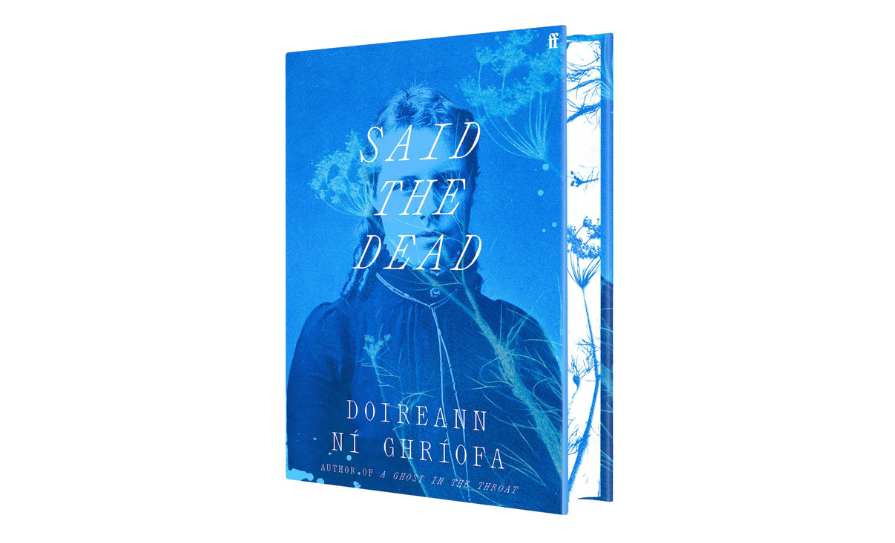
Title: Said the Dead
Author: Doireann Ní Ghríofa
Publisher: Faber & Faber
Reviewer: Prof Brendan Kelly
For much of modern Irish history, the psychiatric asylum stood at the centre of society’s response to mental illness, distress, poverty, and social disruption. By the middle of the 20th Century, Ireland had one of the highest rates of psychiatric institutionalisation in the world. Vast district asylums, originally established during the 19th Century, became woven deeply into the fabric of Irish life.
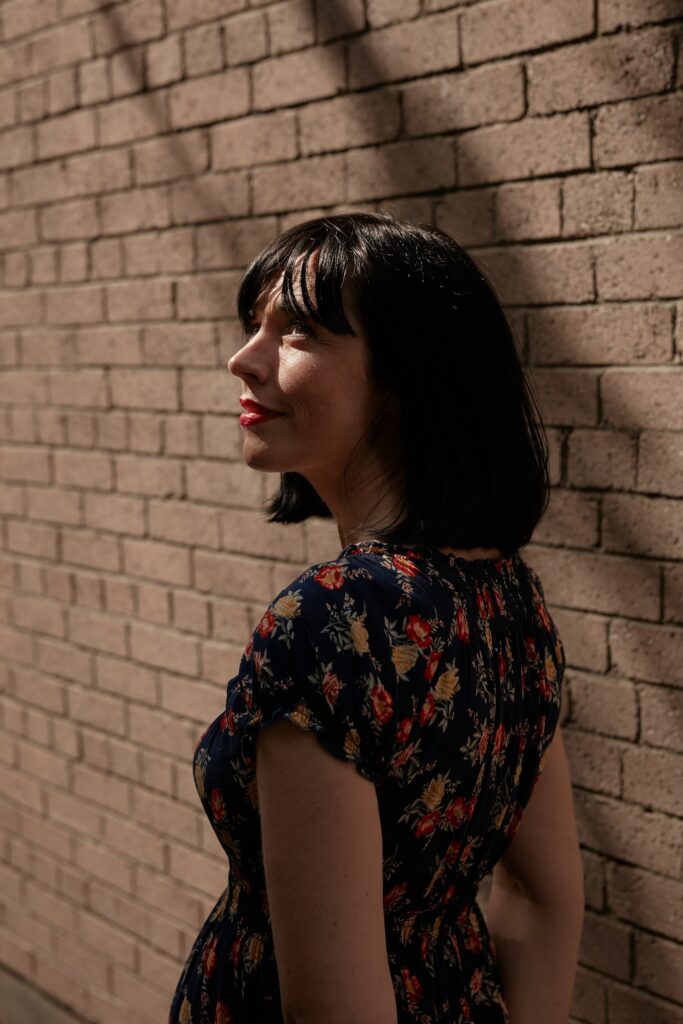
Doireann Ní Ghríofa
These ‘mental hospitals’ were often imposing buildings on the edges of towns and cities. Their histories are complicated and uncomfortable. In public memory, Irish asylums are often seen exclusively through the lens of neglect and confinement and there were grave failures within the system.
Overcrowding became endemic. Many patients spent years, even decades, institutionalised with little prospect of discharge. People could find themselves admitted for reasons that reflected social judgement as much as psychiatric illness: Bereavement, trauma, poverty, ‘moral’ concerns, family conflict, or behaviour that challenged prevailing expectations.
At the same time, history resists simple narratives. Before modern medications, welfare systems, housing supports, or community mental health teams, psychiatric hospitals sometimes represented the only available refuge for people in severe distress or profound social vulnerability. Many staff worked with dedication in under-resourced environments. The asylums were institutions of care as well as control, compassion as well as confinement.
It is into this world that Doireann Ní Ghríofa’s Said the Dead quietly and hauntingly enters. Rather than offering a straightforward historical account of Irish psychiatric institutions, Ní Ghríofa approaches asylum history through fragments, voices, archival traces, and acts of imaginative reconstruction. The result is less a conventional novel than a meditation on memory, silence, and the people whose lives disappeared into institutional systems.
Layered
Ní Ghríofa has already established herself as one of Ireland’s most distinctive literary voices. Her earlier work, especially A Ghost in the Throat, demonstrated an unusual ability to blend memoir, history, scholarship, and lyrical reflection. In Said the Dead, she applies a similarly layered approach to the history of Irish psychiatry and institutional life.
The book draws inspiration from historical asylum records, particularly those connected to Cork’s old asylum. Ní Ghríofa becomes fascinated by the fragments left behind in institutional archives: Brief descriptions, clinical observations, partial testimonies, and small traces of individuality preserved in ledgers and casebooks. These remnants become the starting point for a broader reflection on who is remembered, who is forgotten, and how institutional systems can reduce human lives to administrative entries.
Ambiguity
Importantly, Said the Dead avoids simplistic condemnation. There is no sense here of easy moral certainty imposed retrospectively upon the past. Instead, Ní Ghríofa allows ambiguity to remain. The institutions she evokes are undeniably oppressive, especially for women whose suffering was poorly understood or socially inconvenient. Yet the book also conveys the loneliness, desperation, and social hardship that shaped the world beyond the asylum walls. The boundaries between care and control often appear blurred.
Stylistically, the book is atmospheric and deeply literary. Ní Ghríofa writes with extraordinary sensitivity to rhythm, silence, and absence. The prose frequently feels dreamlike, even ghostly, as voices from different eras seem to overlap and echo across time. The power of the book lies in accumulation: Image upon image, fragment upon fragment. The result of this technique is a persistent sense of haunting.
The prose frequently feels dreamlike, even ghostly, as voices from different eras seem to overlap and echo across time
Compassion
What emerges most strongly is Ní Ghríofa’s compassion for those who passed through these institutions. Many psychiatric patients of earlier generations vanished not only from society, but from family memory itself. Their stories were rarely told. Their suffering often remained hidden behind institutional walls. Said the Dead attempts, carefully and respectfully, to restore some measure of voice and presence to those lives.
For contemporary readers, especially in Ireland, the book resonates beyond literary interest alone. Mental healthcare has changed considerably since the era of the district asylum. Institutional care has largely given way to community-based approaches, and attitudes towards mental illness have evolved substantially. Yet the broader questions raised by Ní Ghríofa remain highly relevant: How societies respond to vulnerability, how systems can unintentionally silence individuals, and how easily certain lives become marginalised or forgotten.
In the end, Said the Dead is not primarily a historical novel about psychiatry. It is a humane reflection on memory, dignity, and the fragile traces people leave behind. Ní Ghríofa handles this difficult material with intelligence, restraint, and considerable grace. The result is a thoughtful and quietly powerful work that lingers long after reading.
Prof Brendan Kelly is Professor of Psychiatry at Trinity College Dublin and author of Asylum: Inside Grangegorman (Royal Irish Academy).












Leave a Reply
You must be logged in to post a comment.