







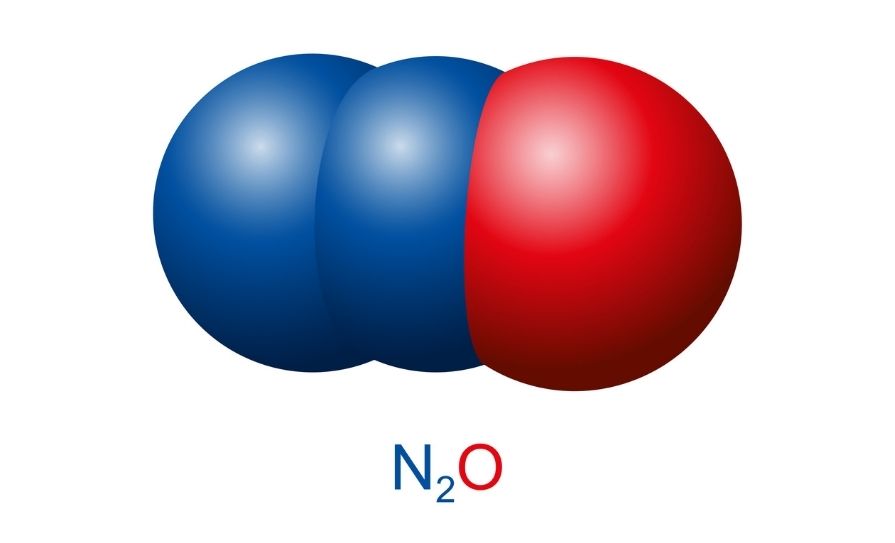
Pilots are underway in HSE sites to evaluate technologies to reduce emissions and support safe capture and disposal of nitrous oxide.
Last month, the RCPI, the RCSI, and the College of Anaesthesiologists of Ireland published a “consensus statement” on the ethical disposal of nitrous oxide.
According to the statement, nitrous oxide is widely used in the healthcare industry. It is a very potent greenhouse gas, contributing about 265 times more to climate change than the same mass of carbon dioxide. After carbon dioxide and methane, it is the third-largest driver of human-induced climate change.
The statement “strongly” recommends the “timely adoption of currently available technologies that enable the ethical disposal of returned nitrous oxide cylinders”.
“We call on the HSE to ensure that such solutions are explicitly required and supported within national tendering, procurement, and decommissioning processes, in partnership with medical gas suppliers.
“By embedding these requirements into standard practice, Ireland has a clear opportunity to lead internationally in the ethically and environmentally responsible management of medical gases, while aligning clinical practice with national sustainability objectives.”
The HSE informed the Medical Independent (MI) it is working on the issue through its climate action and sustainability programme. The spokesperson said there were several initiatives ongoing in respect of nitrous oxide. Some of these projects involve a review of clinical usage and opportunities for reductions either through repair of nitrous oxide pipeline leaks or manifold decommissioning.
“A number of hospitals are progressing this work through their internal governance structures, including medical gas committees and operations management,” the spokesperson told MI.
“The results of these pilot initiatives will inform regional and national adoption.”
The spokesperson pointed to progress made in recent years. Between 2019 and 2024, “CO2 equivalent emissions from anaesthetic gases have been reduced by 27 per cent in Ireland.”











Leave a Reply
You must be logged in to post a comment.