







The recent meeting of the Faculty of Public Health Medicine featured a wide range of talks that reflected the variety of the specialty
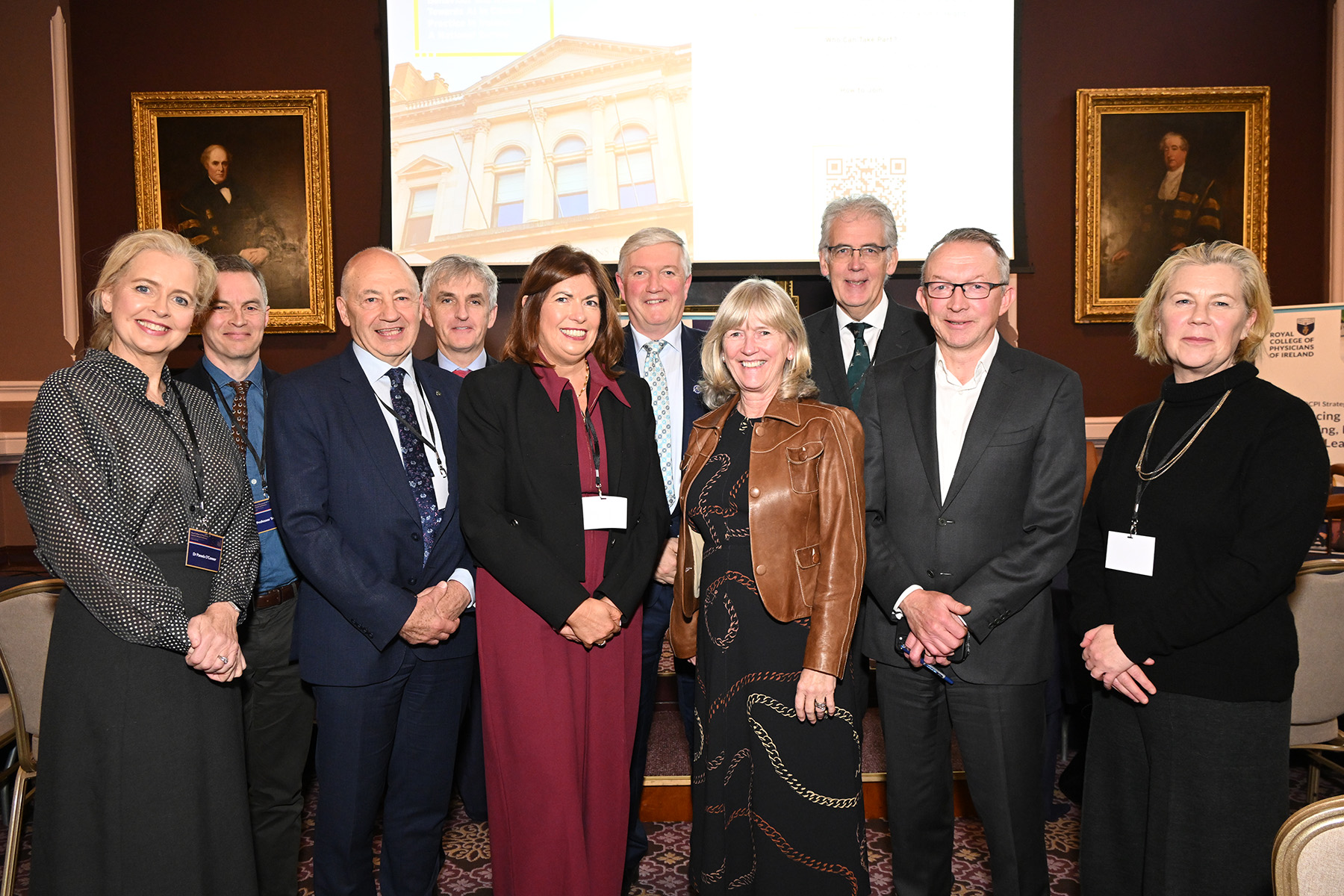
The RCPI Faculty of Public Health Medicine Winter Scientific Meeting took place on Wednesday 3 December 2025. In terms of attendance, the meeting experienced record numbers of public health professionals, researchers and policymakers. The annual event is a vital forum to share emerging evidence, exchange expertise, and strengthen the collective response to the most pressing public health challenges. As Ireland continues to navigate complex national priorities while contributing to global health security, the meeting underscores the essential role of public health doctors in advancing knowledge, shaping policy, and leading system-wide improvements to protect and promote population health.
The Winter Scientific Meeting heralded a new era as the first event led by the Faculty’s newly appointed Dean, Dr Kevin Kelleher. Dr Kelleher took over from Prof Cecily Kelleher, who held the role for four successful years. Under her stewardship, the Faculty continued to strengthen its training programmes and maintained standards of excellence through a culture of continuous development.
Reflecting on the scientific meetings in general, Dr Kelleher said: “These meetings showcase what public health can do in changing things to improve the health of people and our communities.”
Public health doctors from across the country had an opportunity to share their work in a series of short- and long-form presentations, with 90 abstracts submitted for consideration. Data from local, regional, and national studies provided insights across all domains of public health, providing a platform to connect, contribute, and collaborate. The busy programme also featured a poster exhibition sharing further insights in a dynamic format.
Homelessness and children
Addressing rising levels of homelessness in Ireland was essential, according to Dr Fiona Cianci, who pointed out there are currently over 14,000 children living in temporary or emergency accommodation. In her talk, Dr Cianci highlighted the short- and long-term impact of homelessness on a child’s health, wellbeing and development, and advocated for early detection, prevention, and intervention.
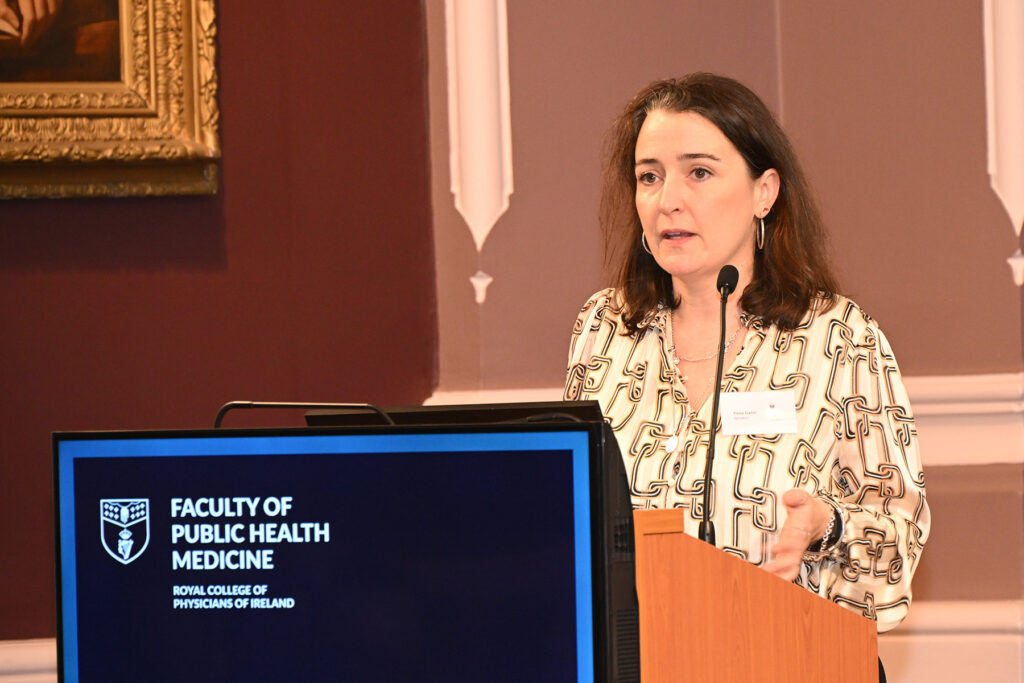
Comparing developmental referrals among children exposed to homelessness with those in permanent housing, she cited research which found that children experiencing homelessness were twice as likely to receive a developmental referral, rising to almost four times for social and emotional concerns.
The findings identified the need to prioritise developmental assessments for this group, allocate resources to locate and track families as they move across emergency locations, and capture ethnicity and housing status through the Central Statistics Office.
Dr Cianci also stressed the need for public health doctors to continue to advocate for minimum standards for emergency accommodation centres, and for an increase in community services in those areas with a high concentration of centres.
AI in public health medicine
The results of a national survey of public health doctors on artificial intelligence (AI), presented by Dr Emma Kearney, demonstrated widespread enthusiasm for the technology. However, there was also realistic caution expressed on the use of AI in the specialty.
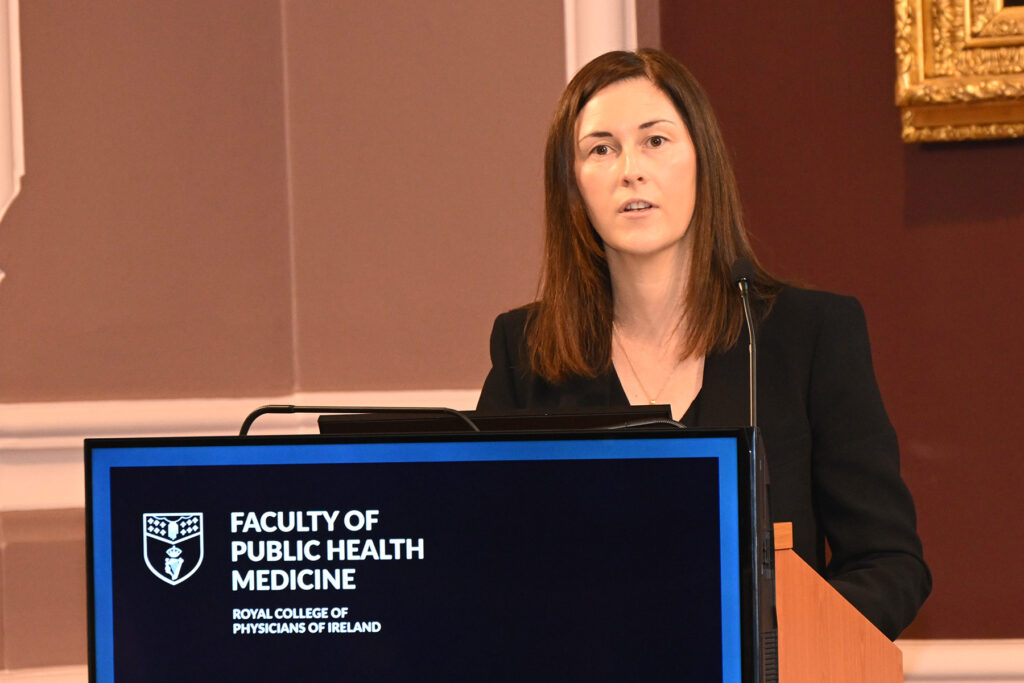
According to the survey, 63 per cent of respondents said that they have used or use AI, with 21 per cent saying they use it daily. Among the benefits reported, 63 per cent said AI improves the quality of their work and 86 per cent said that AI saves time. The majority, however, had concerns about the use of AI, including transparency of use, ethical issues, and its environmental impact.
Also, 63 per cent agreed or strongly agreed that AI should not replace human judgement. Only 13 per cent would trust AI recommendations for decision-making. The majority of respondents agreed that there are unclear or insufficient protocols relating to AI use and supported the creation of a HSE public health AI use framework.
Smoking
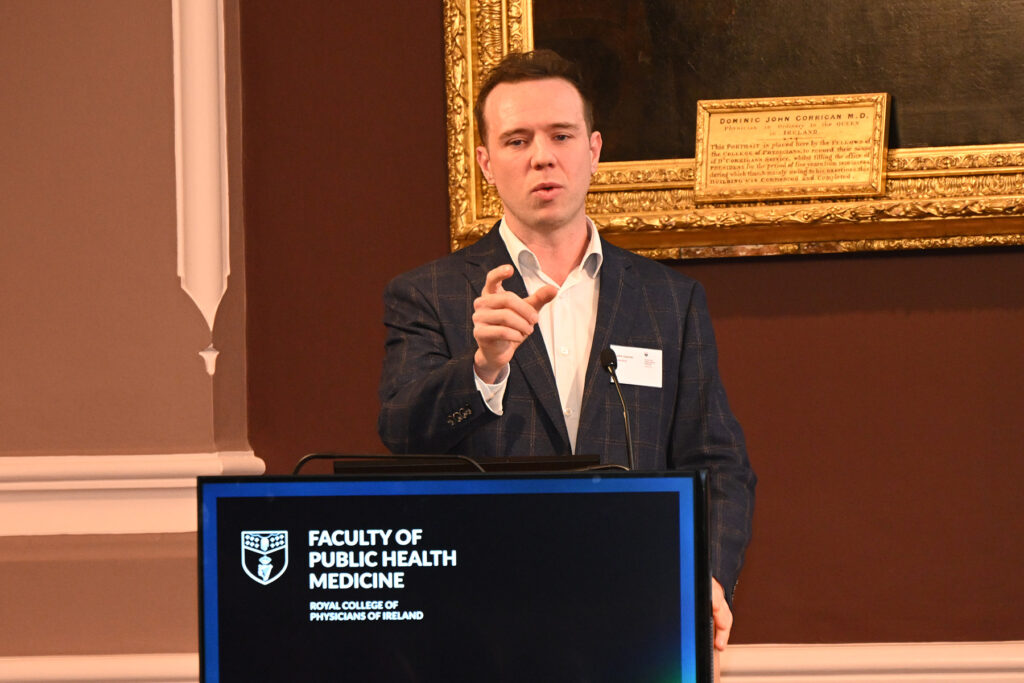
Leading to more than 5,000 deaths in Ireland annually and costing the hospital system €460 million each year, tobacco is the leading preventable cause of ill-health and premature death. At the meeting, Dr John Gannon outlined the RCPI clinical advisory group on tobacco and vaping’s ambitious yet necessary recommendations to inform the national strategy.
Despite efforts to achieve the ‘tobacco endgame’ of 5 per cent smoking prevalence, Ireland has been stuck at 17 per cent for the last six years. Dr Gannon referenced successful international interventions and spoke of the need to prioritise a tobacco-free generation and to improve cessation services and make them more accessible.
Patient safety and weekend hospital discharge
Most hospital discharges nationally take place on a Tuesday, highlighting the complex issue of patient flow and discharge during the weekends. Dr Niamh Bambury’s research explored the barriers to efficient patient care and discharge over the weekends, to support improved operational planning.
The study looked at all discharges from three acute hospital sites in the HSE South-West on three dates in January and February 2025. The study found that 42 per cent of patients could potentially have been discharged over the weekend prior to their actual discharge and were therefore categorised as having a ‘delayed’ discharge.
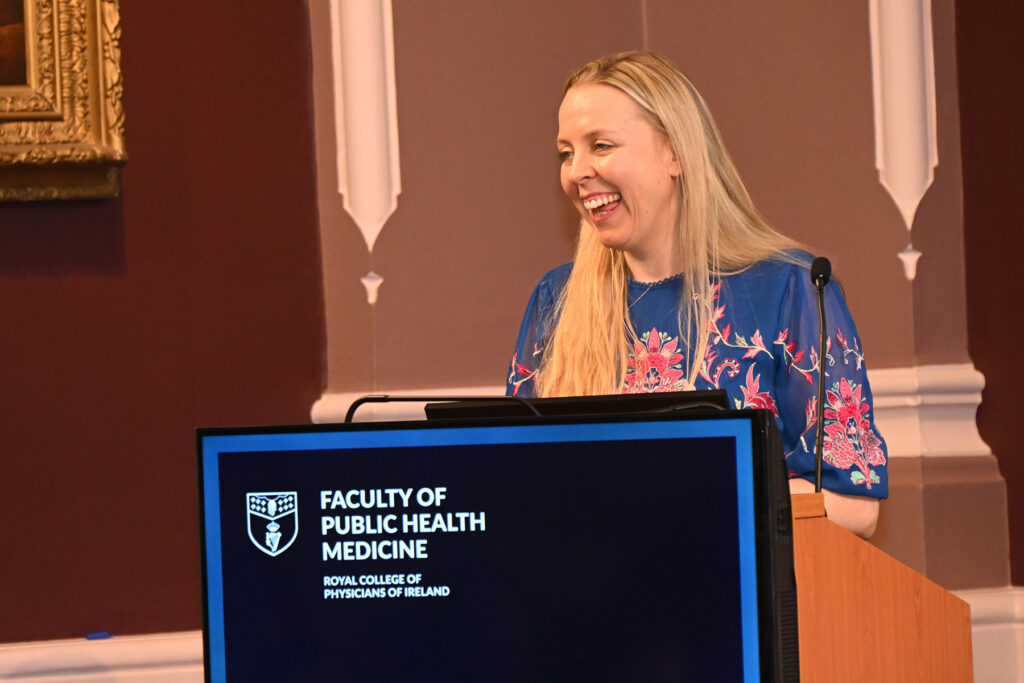
Reflecting on the findings, Dr Bambury highlighted the need to explore options for community-based care to support safe discharge over the weekend while maintaining high-quality continued care. She said prioritising early discharge planning and optimising available support within community health networks is vital to ensuring timely discharge. The availability of weekend services across a range of diagnostic modalities is also key to addressing weekend service limitations. The research also recommends technical and operational process improvements.
National inpatient experience
Dr Lorna Sweeney from HIQA presented findings from the 2024 National Inpatient Experience Survey on self-reported experiences of patient safety in acute hospitals.
Some 79 per cent of patients surveyed reported that they felt confident in the safety of their treatment and care, with 16.3 per cent feeling confident to some extent. According to the survey, 69.3 per cent felt that there was always good communication about their care between hospital staff. Some 61.9 per cent responded ‘yes, completely’ when asked if a member of staff had clearly explained the purpose of the medicines they were to take upon discharge, and any side-effects.
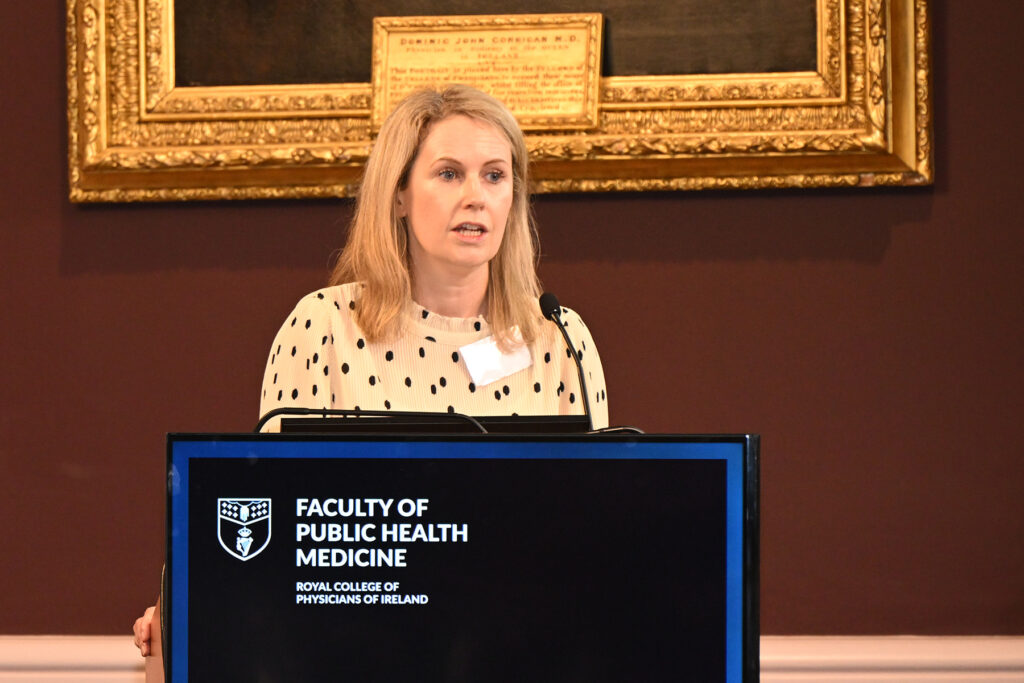
The survey found 11.1 per cent of participants reported experiencing a patient safety incident during their hospital stay. The most commonly selected reason related to a medication issue. A higher proportion of respondents ticked ‘other’. In free-text format they described incidents around their personal safety and staff responsiveness. Patient safety incidents were more likely to be self-reported by younger patients, female patients, patients with a disability, and patients who had an emergency admission to hospital.
Data insights and planning
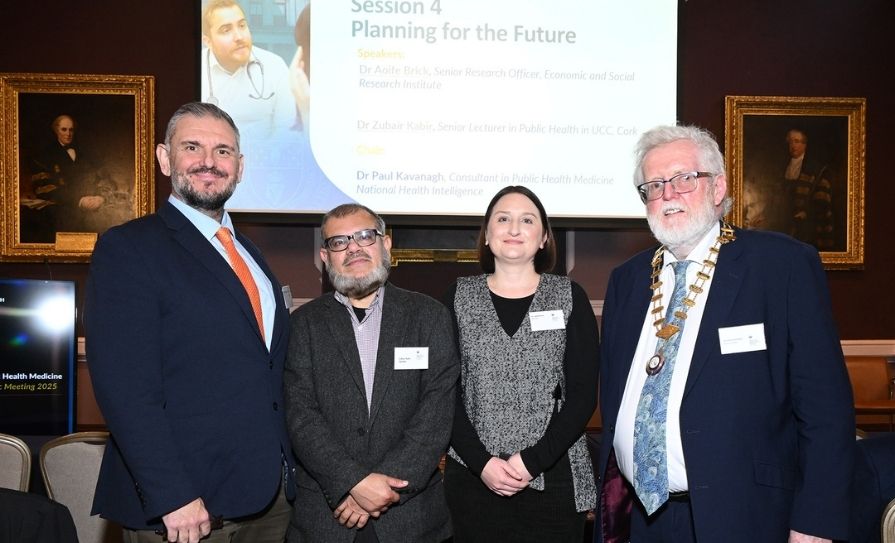
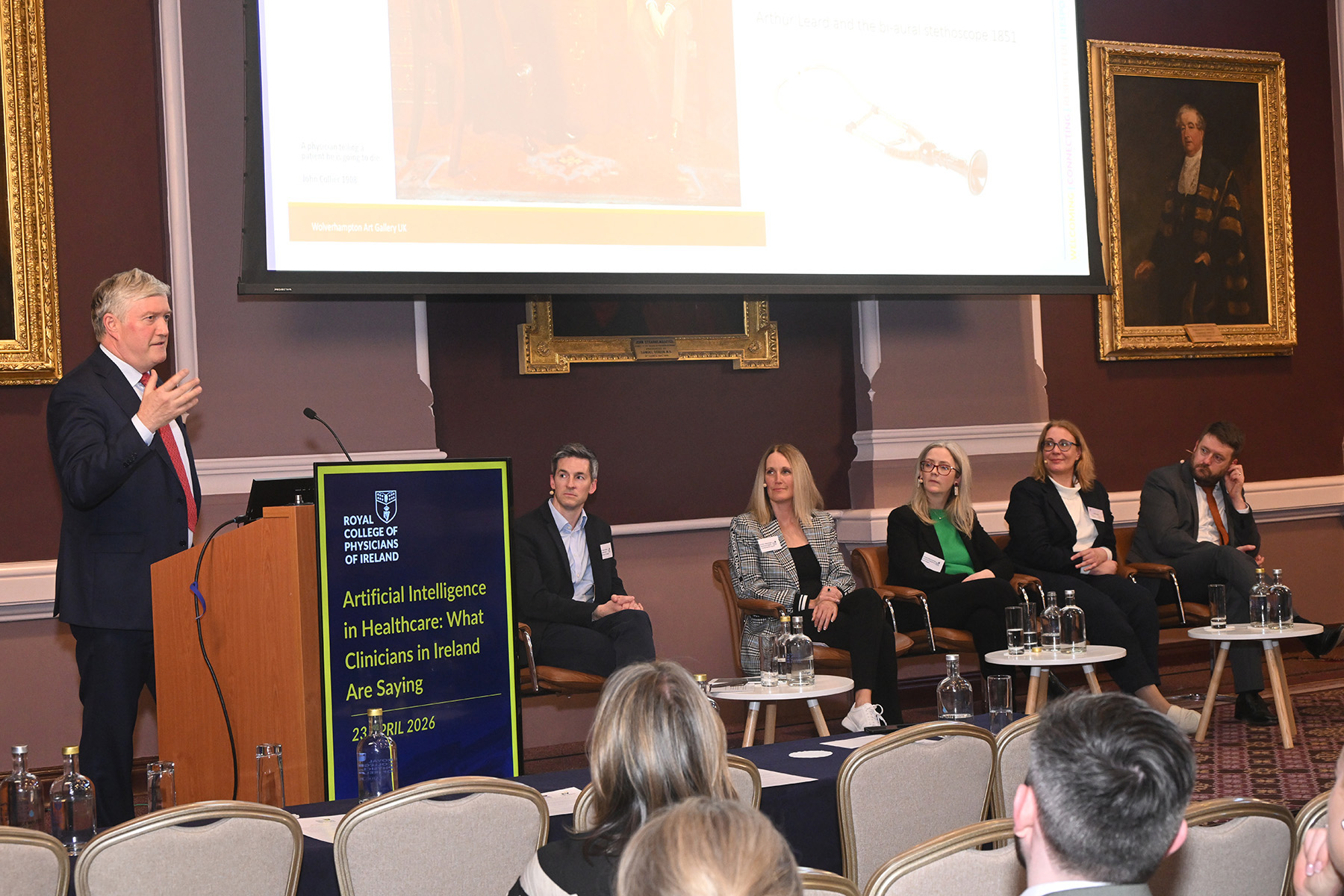
The penultimate session of the day, chaired by Dr Paul Kavanagh, focused on planning for the future, featuring two keynote addresses.
Dr Aoife Brick (PhD) from the Economic and Social Research Institute conducts research on healthcare utilisation, system reform, and workforce planning. Dr Brick used the Hippocrates model to provide projections for future hospital demand and bed capacity requirements. Outlining significant future capacity challenges, she showed that by 2040 an additional 5,000 to 8,000 hospital beds will be required nationally. She stressed the importance of addressing the drivers of emergency admissions, reducing delayed transfers of care, improving vaccine uptake, and investing in other public health initiatives.
The second keynote speaker, Dr Zubair Kabir from University College Cork, delivered a presentation entitled ‘Harnessing burden of disease data – Building a foundation for public health policymaking in Ireland’. Dr Kabir, who is National Lead on the Global Burden of Disease (GBD) Study, outlined the strengths of GBD data, noting its comprehensiveness, comparability, and flexibility, alongside its value for benchmarking, surveillance, forecasting, and research and innovation.
He called for greater use of GBD data in policymaking, stating: “We need to move away from using GBD estimates as an academic tool to a critical resource for generating evidence to inform policymaking because of its robust scientific evidence.”
Attendees noted that GBD data has become one of the most effective advocacy tools for communicating public health priorities through its powerful visualisation tools.
The prestigious Kevin Kelleher Medal was awarded to Dr Ellen Cosgrave for her oral presentation ‘Suboptimal adherence to periconceptional folic acid supplementation in Ireland: A retrospective analysis of 66,690 pregnancies (2014 –2022)’.
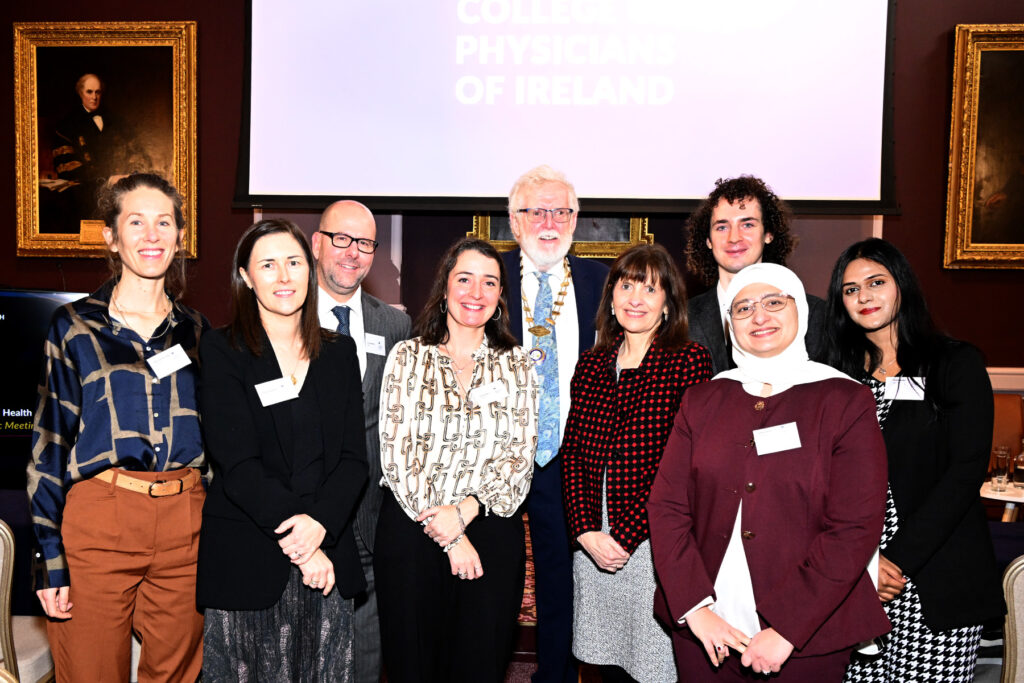
The meeting marked a strong conclusion to Prof Cecily Kelleher’s tenure as Dean and a new chapter under Dr Kevin Kelleher’s leadership, highlighting the Faculty’s continued commitment to scientific excellence and population health.
This article was produced by the RCPI.
Presentation winners
Long orals
▶ First place: Dr Ellen Cosgrave – Suboptimal adherence to periconceptional folic acid supplementation in Ireland: A retrospective analysis of 66,690 pregnancies (2014–2022)
▶ Second place: Dr Niamh Bambury – Barriers to efficient patient care and safe discharge in acute hospitals at the weekend in the HSE South-West
Short orals
▶ First place: Dr Anne Marie Murray – Predictors of women’s intentions towards human papilloma virus self-sampling in Ireland
▶ Second place: Dr Grainne Larkin – Decolonisation of chronic VTEC shedding with antibiotic therapy – a case series
▶ Third place: Dr Sinead O’Riordan – Evaluation of the South-East EUROCAT Registry of Congenital Anomalies 2011–2022
Posters
▶ First place: Dr Aine Varley – Economic Evaluation of Early Talk Boost: A Targeted Intervention for Preschool-Aged Children with Language Delay in Ireland
▶ Second place: Dr Sydney Harper – Care journey mapping of children and young people with a disability in the Mid-West: An engagement study with service providers
▶ Third place: Dr Tessa O’Gorman – Pioneering perspectives on the Age Friendly Health System 4Ms Framework: Multidisciplinary insights from three early adopter sites in Ireland








Leave a Reply
You must be logged in to post a comment.