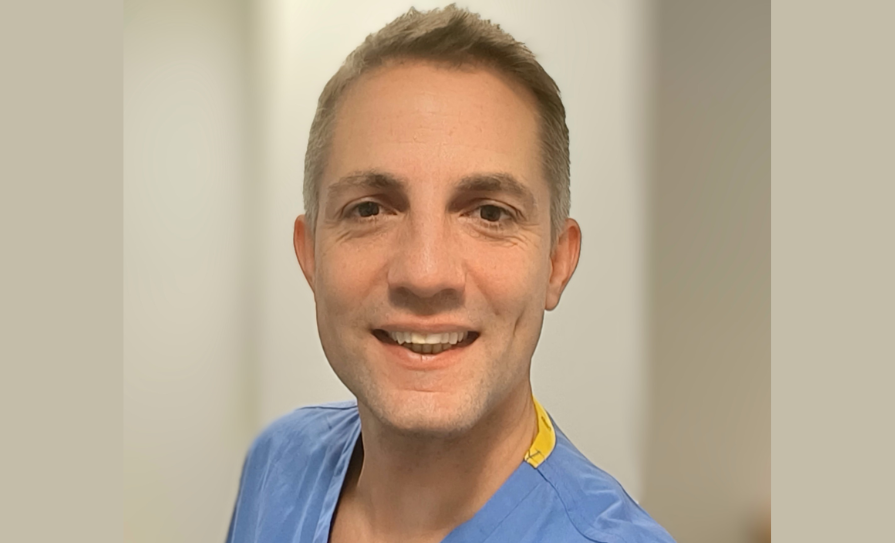
Dr Nick Burr
Optimising the use of endoscopy for colorectal cancer detection and prevention was a key theme covered at this year’s Irish Society of Gastroenterology 2026 Summer Meeting.
Dr Nick Burr, Consultant Gastroenterologist at Mid Yorkshire Teaching Hospitals NHS Trust, UK, discussed how to turn endoscopy data into better colonoscopy techniques and outcomes.
He noted that while there is “overwhelming evidence” showing how good-quality colonoscopy and polypectomy can successfully prevent and detect bowel cancer at an early stage, variation in colonoscopy quality can significantly impact its success. Approximately 26 per cent of all polyps are currently missed at colonoscopy and the post-colonoscopy colorectal cancer rate in the UK between 2005 and 2013 was 7.4 per cent.
“So how can we address this challenge?,” he asked.
Dr Burr is Clinical Lead for the National Endoscopy Database (NED), a UK-wide quality improvement programme that uses real-world data to enhance the safety, effectiveness and training standards of digestive endoscopy.
The database is helping improve individual endoscopist engagement with their key performance indicator (KPI) data, available to access on the NED platform, Dr Burr told the meeting.
A randomised trial of automated monthly feedback based on data from NED (NED-APRIQOT study) highlighted each endoscopist’s anonymous KPIs compared with the national average and their local peers. The reports were well received, and those in the intervention arm demonstrated higher unadjusted mean number of polyps and polyp detection rates, which did not persist after the intervention was withdrawn.
“Clinicians who engaged most with feedback achieved the greatest improvements,” Dr Burr commented.
Also speaking during this session was the Clinical Lead for the HSE Endoscopy Programme, Dr Jan Leyden, Consultant Gastroenterologist, Mater Misericordiae University Hospital, Dublin, who gave an update on the new HSE National Endoscopy Reporting System (Solus).
This web-based platform generates a standardised endoscopy report after each procedure and will be integrated with electronic health records as they come on stream. It can be accessed online from any location and is being rolled out across the country to 38 sites on a phased basis. Dr Leyden noted that good progress is being made this year in terms of implementation.
However, he acknowledged that the project has been very complex, and time- and resource-consuming, pointing out that roll-out at each site has taken approximately five to six months. But he told delegates the effort involved in implementation is worthwhile, as the system will improve endoscopy delivery, audit, and oversight in the face of growing demand.












Leave a Reply
You must be logged in to post a comment.