







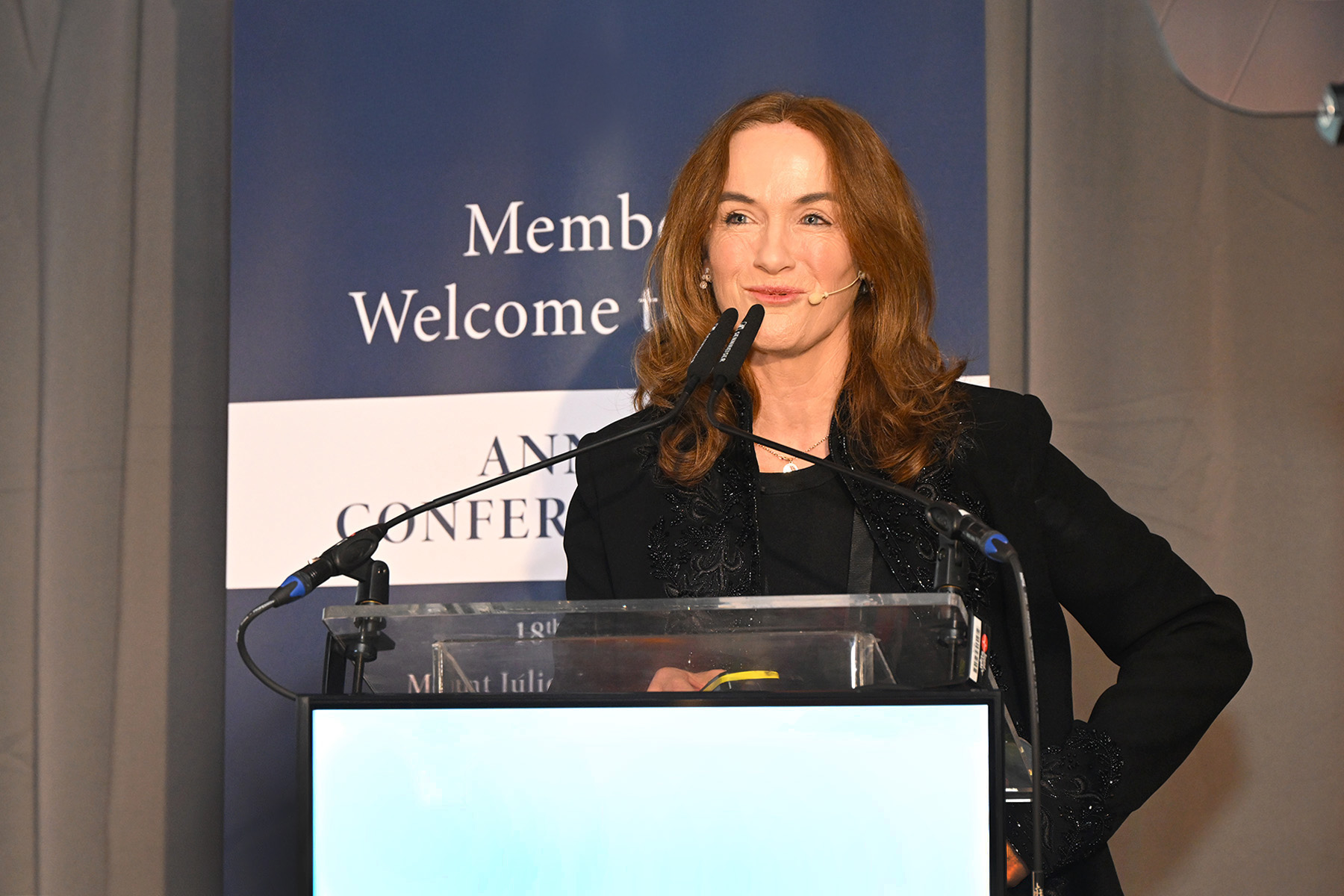
The current system in relation to medical negligence is “propagating the cycle of harm” for patients, family members, and clinicians involved, the former Master of the National Maternity Hospital has told the Medical Independent (MI).
Dr Rhona Mahony, Consultant Obstetrician and Gynaecologist, addressed the recent IHCA Annual Conference at the Mount Juliet Estate in Kilkenny on the issue of medical negligence. Dr Mahony was the Chair of the interdepartmental working group on the rising cost of health-related claims. The group’s final report was released last September.
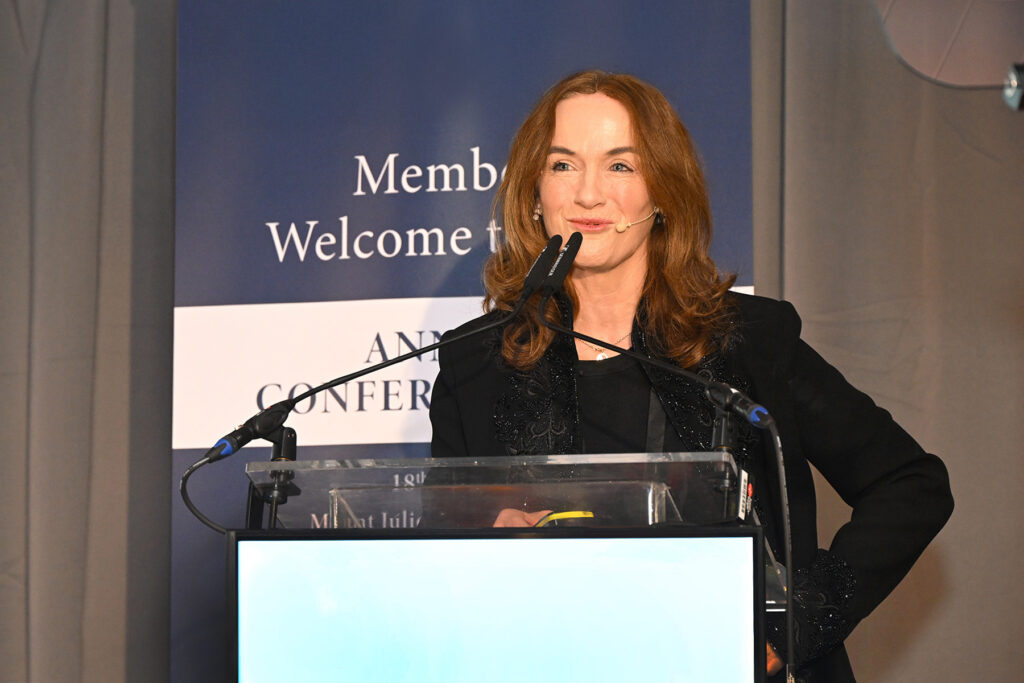
Earlier this month, the Department published an implementation plan for the report’s recommendations.
Dr Mahony told MI she was “hopeful” that the recommendations would be implemented.
She said the present medico-legal situation is not only “harming people already harmed and traumatised by adverse outcomes; it’s harming clinicians and it is harming society … in human and financial terms”.
Dr Mahony added that the group’s work revealed how distressing the legal process can be for patients, noting that those involved in litigation “found it really traumatising”.
“This is a group of people who are already traumatised and already harmed.”
This is a group of people who are already traumatised and already harmed
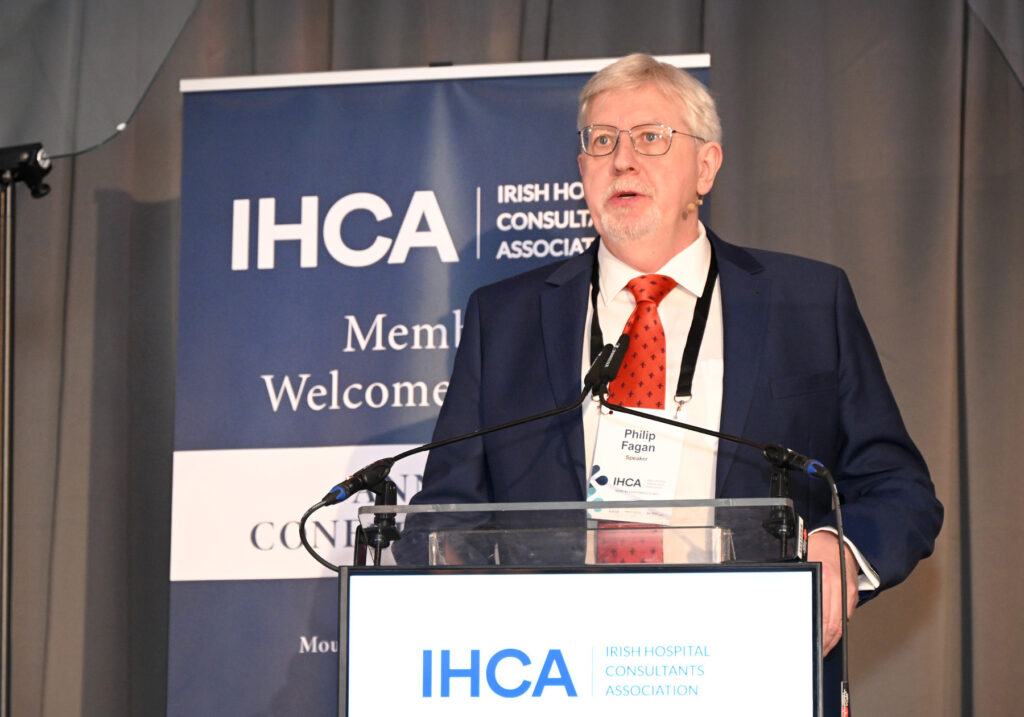
Also speaking at the conference, Mr Philip Fagan, Senior Clinical Claims Manager with the State Claims Agency (SCA), told attendees that the SCA receives approximately 650 new cases annually, with the majority being settled.
He emphasised the negative impact the current adversarial system has on patient, families, and clinicians.
Mr Fagan said that pre-action protocols are likely to be introduced next year, which he believes will improve the current system.
Such protocols would see parties involved in cases communicate and exchange documentation early in an attempt to encourage early resolution and settlement.
The conference was also addressed by Ms Margaret Murphy from Patients for Patient Safety.
She spoke about the loss of her son, Mr Kevin Murphy, due to a medical error and how she used this experience to campaign for change in the healthcare service.
Reflecting on experiences such as Ms Murphy’s, Dr Mahony said “when you see the pain which comes from unanticipated harm, that can cause people to die or change their lives forever … we add to that pain both for the clinicians involved and those who suffered directly the harm with the really adversarial … system we have”.
She told MI: “We really have to change it.”
Dr Mahony added that people deserve to be compensated when harm occurs.
She said this should be done “in a way that answers their needs … [not] by pitting people against one another”.
On the impact these issues have on doctors, Dr Mahony noted the “extensive [academic] literature that does show us the serious consequence for the health and wellbeing of clinicians who are involved”.
This is not only because of the legal system, but also from other factors, such as an adverse outcome.
“Then [there is] the long duration of the legal process…. It’s very adversarial, so the language used is very adversarial, so it really is very difficult.”
Speaking prior to the panel discussions, IHCA President Prof Gabrielle Colleran told attendees that medical negligence is “one of the most pressing and costly challenges in our health system”.
She said that the IHCA had proactively engaged with the SCA to understand and address the spiralling costs of litigation that drain both resources and morale.
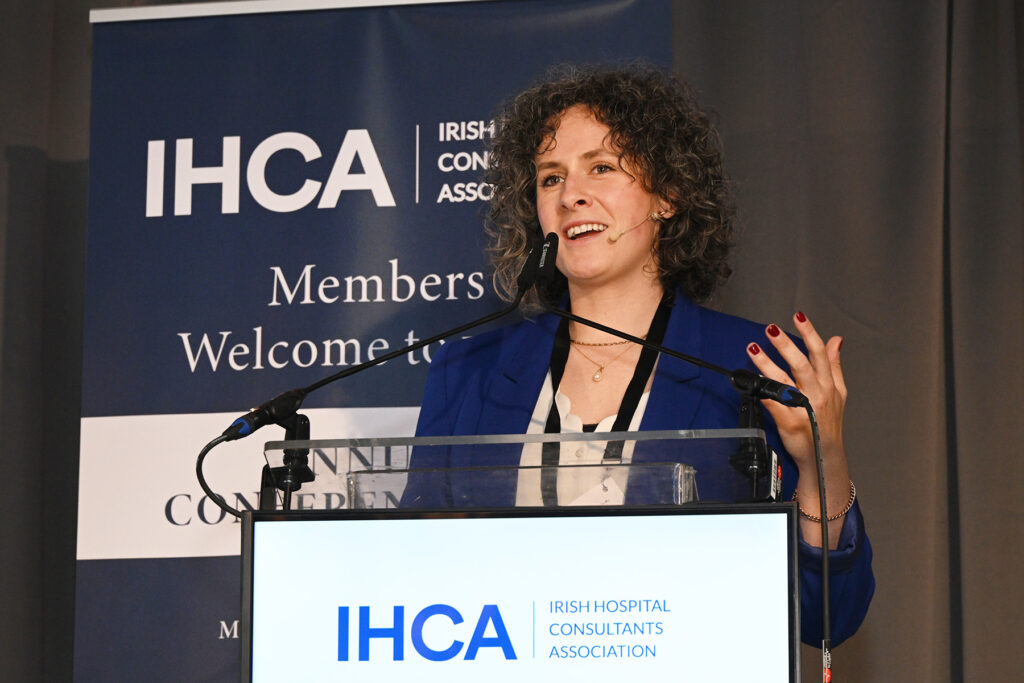
Dr Sorcha O’Meara, SpR in urology, addressed the conference on the results of a cross-sectional study published earlier this year in The Surgeon.
The study found that surgeons suffer in the aftermath of negative outcomes. She said that doctors are human too and suffer when things go wrong, but feel unprepared to manage the personal consequences.
After her address, Dr O’Meara told MI that support for clinicians, before and after negative medical outcomes, should be in place at both a national and local level.
“I think there is a role for national guidelines, because I think it formalises things,” she said.
“If there is a guideline, management really have to take a role in institutionalising programmes.”
Dr O’Meara added that local structures are important in terms of peer-to-peer support.
“But also, doctors having the option of talking to someone who is not in their own institution. Medicine can be a very small world and everyone kind of knows everyone.”
She gave the example of Austria, where there is a national helpline staffed by volunteer doctors, who are trained to support one another.
Dr O’Meara said that she does not necessarily believe that such an example might be the right one for Ireland.
However, she said the Austrian model shows the value of thinking about the “big picture”, in addition to offering local supports.
Dr O’Meara said that doctors can be “very slow” to engage with existing formal support structures.
Some doctors fear that information they share with such bodies might impact them negatively in the future, while many do not even know such supports exist.
While Dr O’Meara stressed that supports were “really important”, she added efforts are required to raise awareness about what is on offer.
In her experience, she said that current medical students are “interested in talking” about matters relating to the aftermath of negative outcomes.
“They are really open to you discussing how you feel if things go wrong.”
Dr O’Meara said that she believes this area should become a “more formal part” of medical education.
Prof Colleran told the conference that the IHCA had recently had a “constructive” meeting with the Minister for Justice Jim O’Callaghan and his officials.
The discussion centred on “reforms around the real rate of return, pre-action protocols, and phased payments”.








Leave a Reply
You must be logged in to post a comment.