








Developing the medical workforce in an era of regionalisation was a central theme at a recent HSE conference. David Lynch reports
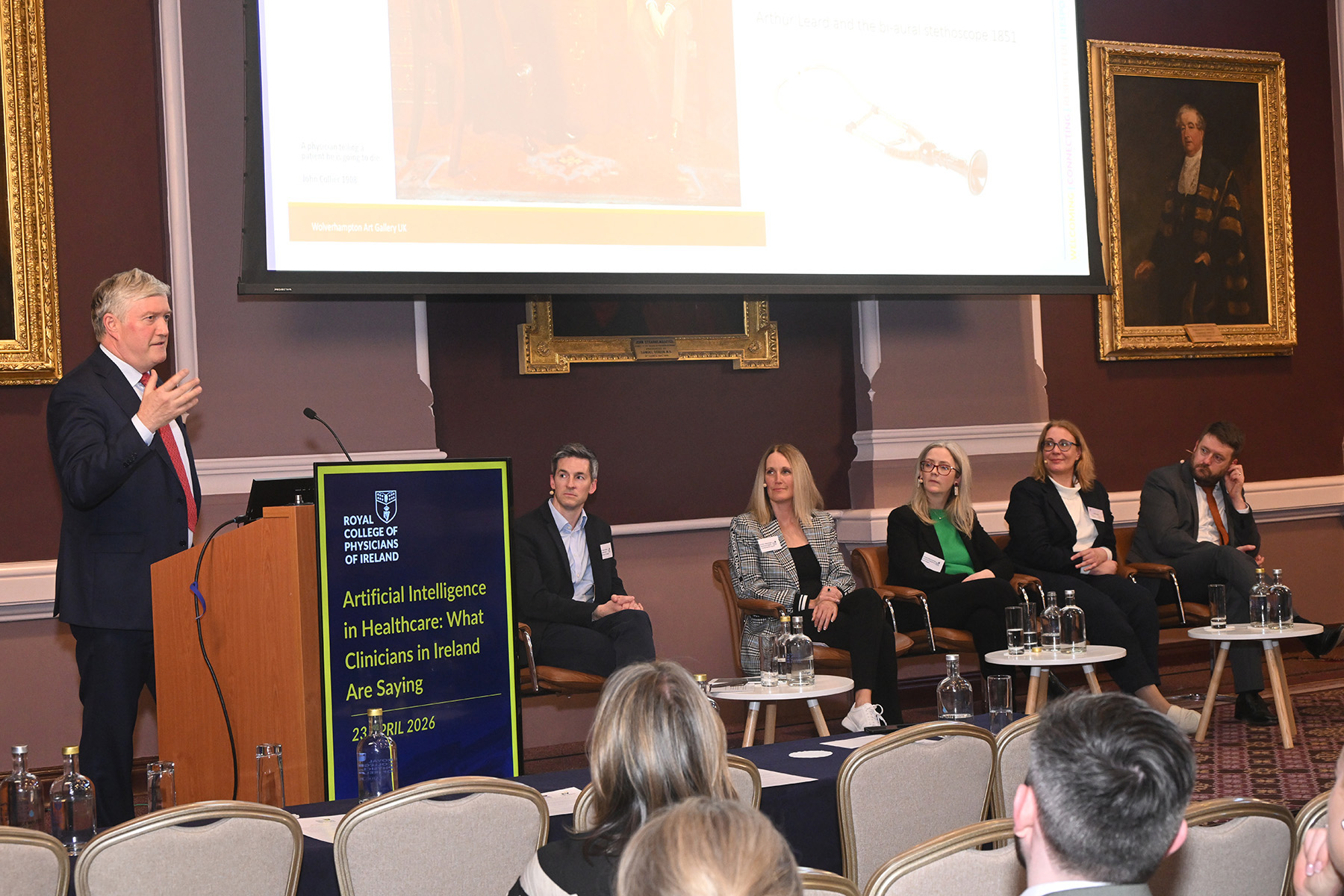
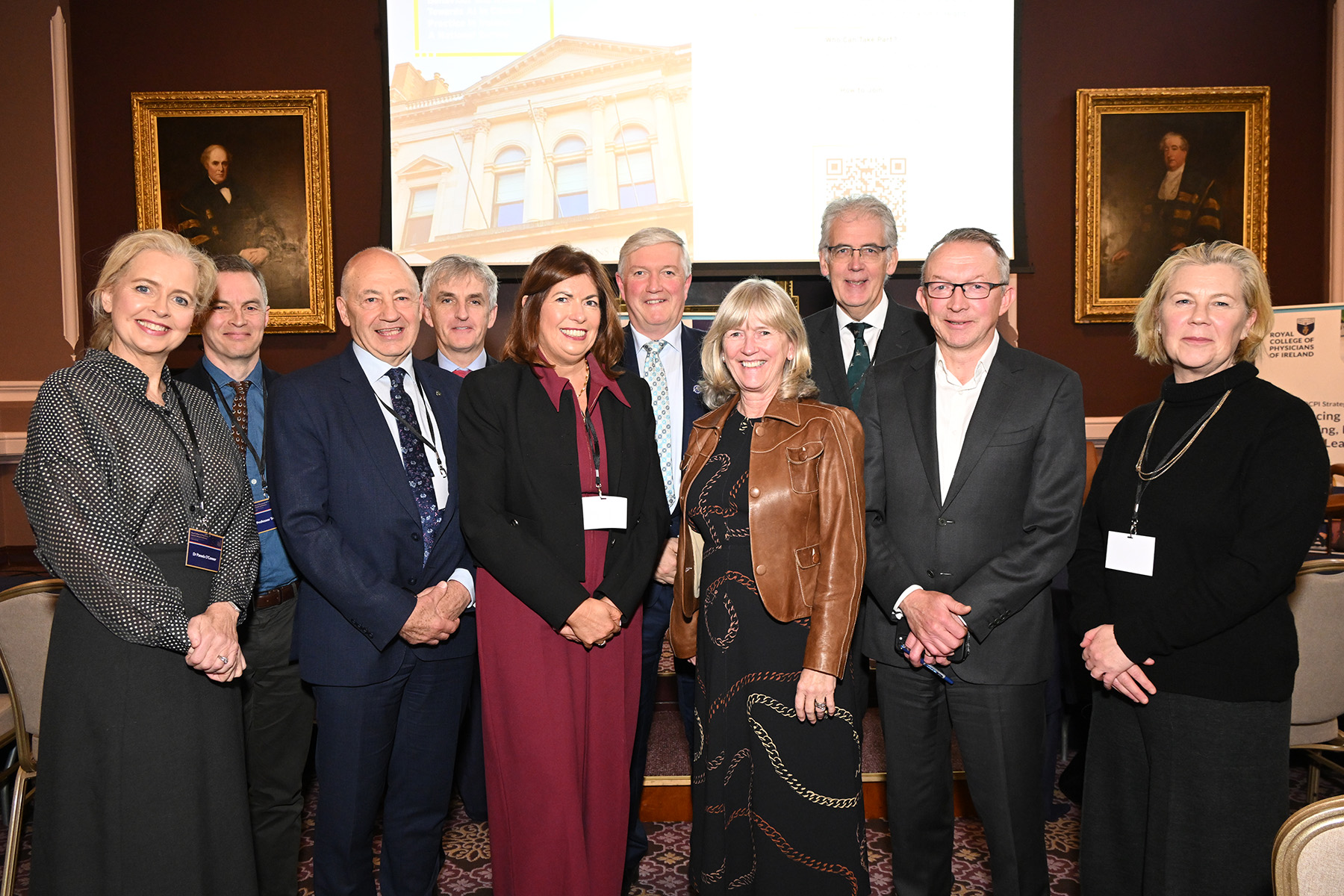
HSE National Doctors Training and Planning (NDTP) held its medical workforce conference in Dublin last month.
Doctors, healthcare managers, and policymakers gathered to discuss how to build a “sustainable” medical workforce within an evolving health system. The event also saw the launch of two new NDTP reports examining the challenges and opportunities in recruitment and retention (see panel).

Health regions
NDTP Medical Director Prof Anthony O’Regan told attendees NDTP’s work over the last two years had taken place amid major “clinical governance changes” across the health service.
Dr Tom Pierse, Medical Workforce Analytics Lead, NDTP, noted the new requirement for integration of national and regional workforce planning. He described the situation as a “‘chicken and egg’ problem”.
“To do a national plan requires regional plans… based on [regional] workforce deficits,” he told attendees. “But to do a regional plan, you need a national vision of the overall workforce.”
Asked by the Medical Independent (MI) whether the establishment of the six health regions had complicated the work of NDTP, Prof O’Regan said it had created “different challenges”.
“The concept of the regions… [is] that there would be more autonomy in terms of planning,” Prof O’Regan told MI.
“So sometimes the initial stages of change can be difficult. But in the end hopefully it will be more effective, more accountable, more structured, better value for money.”
While restructuring might create short-term “stress”, Prof O’Regan said he hoped it would achieve “longer-term gain”.
“The one thing I would say is that we are being very conscious of how the national agenda, and the models of care, are influencing the regional workforce.”
Prof O’Regan said the regionalisation process was “a good thing”, but it would take time for staff to fully understand the ramifications of the new structures.
Retention
A wide range of new data on doctors working across the health service was presented at the event, primarily through two new NDTP documents: The Medical Workforce Report 2025–2026 and the Medical Recruitment and Retention Report 2025.
Prof O’Regan noted the data contained some positive trends.
“I’m very optimistic about the retention of doctors,” he told MI.
He noted the figures showed that 80 per cent of doctors who complete their training in Ireland remain working in the country long-term. Retention was even higher among Irish-trained GPs, with more than 90 per cent continuing to work in general practice in Ireland.
“That is a very high retention rate,” Prof O’Regan said.
He pointed out the percentages are significantly higher than they would have been in the recent past.
Prof O’Regan also highlighted encouraging findings on the attitudes of Irish-trained doctors, particularly regarding their intention to remain working in Ireland over the long term.
“Somewhere around 90 per cent of doctors in Ireland want to make their career in Ireland. So, our job is about trying to deliver on that.”
Training posts
A number of speakers raised concerns about the persistently high number of NCHDs who are not in training posts.
Prof O’Regan said this issue posed challenges at both an individual level for doctors and, more broadly, for the entire workforce.
He said all doctors should be supported along a clear career pathway.
According to Prof O’Regan, having large numbers of NCHDs outside formal training schemes risks creating a system where service provision takes precedence over career development. He said the HSE remained committed to supporting NCHDs in progressing their careers.
In terms of workforce planning, he noted that this cohort of the NCHD workforce is in “flux all the time”.
He underlined the importance of developing more permanent-grade posts that would allow NCHDs to train and build their careers within the health system.
In addition, Prof O’Regan noted that more than 1,000 doctors newly arrive in Ireland each year. He said these new recruits require adequate induction.
“It’s an area of risk that we want to help them with.”
Model 3 hospitals
Also speaking at the conference, HSE Chief Clinical Officer Dr Colm Henry outlined the significant expansion of consultant and trainee numbers in recent years.
However, he expressed concern over a “widening gap” between the consultant workforce in model 3 and model 4 hospitals.
The workforce in model 3 hospitals is “largely older, with fewer permanent posts, with twice the number of temporary posts”, and has a higher proportion of consultants on the general medical register compared to model 4 hospitals.
In 2023, NDTP published its Model 3 Hospitals Report. The document found a series of significant challenges faced by these hospitals in terms of consultant recruitment and retention.
It made a number of recommendations, including the need for a “robust” recruitment drive for consultants and other staff. The report also recommended addressing consultant workload in model 3 hospitals, investing in education and training, improving on-site infrastructure, and reinforcing links with model 4 hospitals.
As reported by MI in July 2024, three “targeted intervention sites” were chosen as the first locations to implement the report’s recommendations: Midland Regional Hospital, Mullingar; Letterkenny University Hospital; and Tipperary University Hospital, Clonmel.
At the conference, Prof O’Regan told MI that NDTP has overseen these three projects and drafted recommendations based on the experiences from the sites. These recommendations will be provided to the regions and “probably published sometime over the summer”.
“They are there to facilitate decision-making within the regions. So, at a NDTP level, our job is to identify the issue and then try and guide some of the solutions.”
Prof O’Regan revealed that the most recent statistics gathered by NDTP indicated that the consultant appointment numbers in model 3 hospitals have “certainly improved” over the last number of years.
“That’s positive,” he said. “But I think, as you get from some of the discussions today, that there is a huge way to go with how we staff model 3 hospitals in Ireland.”
Key trends in the Irish medical workforce
The Medical Workforce Report 2025–2026 provides an overview of the publicly funded medical workforce in Ireland for 2025.
It also highlights changes in the workforce over recent years.
The report shows:
▶ A 6 per cent increase in the overall number of consultants employed between 2024 and 2025.
▶ A 7 per cent growth in the number of doctors in basic specialist training (BST) between 2024 and 2025.
▶ A 9 per cent growth in the number of doctors in higher specialist training between 2024 and 2025.
▶ A 2 per cent increase in the number of doctors in non-training posts between 2024 and 2025.
Another new NDTP document – Medical Recruitment and Retention Report 2025 – quantifies the flow of NCHDs and consultants through the healthcare system.
The main findings include:
▶ 77 per cent of the 2016–2020 interns went on to further training in Ireland by 2025.
▶ 78 per cent of those doctors that completed BST between 2018 and 2022 went on to further training in Ireland by 2025.
▶ 80 per cent of doctors who completed specialist training from 2017–2021 were retained in Ireland (in a public or private consultant post) by 2025.









Leave a Reply
You must be logged in to post a comment.