







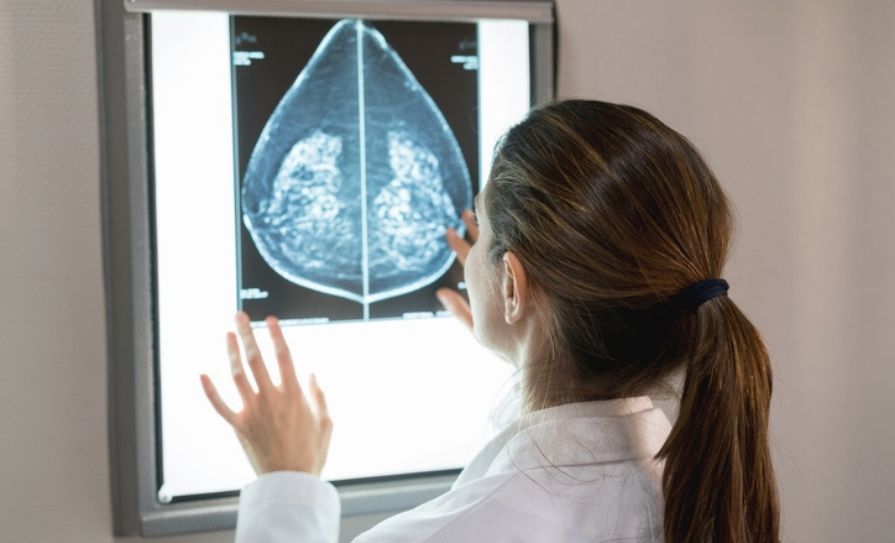
Dr Iseult Browne, the Royal Marsden Hospital, London, UK, delivered a presentation at Gathering Around Cancer 2025 titled ‘Integrating circulating tumour DNA into treatment decision-making in breast cancer’.
Dr Browne began by briefly describing circulating tumour DNA (ctDNA): “Cell-free DNA is present in the circulation of all… individuals as a result of apoptosis, necrosis and secretion. A proportion of that in patients with cancer is termed ctDNA, and that is a direct result of tumour bulk and tumour cell turnover.”
She discussed how various types of tumour assays are used in her clinic. Some of these are ultra-sensitive, but the sophistication of the assays is evolving all the time, she explained. Dr Browne also presented data from various clinical trials on how tumour mutations are assessed and dealt with.
She outlined some of the exploratory research she and colleagues have conducted in ctDNA testing in different types of breast cancer. “Potentially, low baseline ctDNA levels can be associated with a less aggressive tumour phenotype with higher response rates,” said Dr Browne. “High baseline ctDNA levels may become both selection and stratification factors for future targeted trials.”
Dr Browne emphasised: “ctDNA assessment may differ between therapies with different mechanisms of action, and this is really important, because implementing dynamics in clinical trials and in practice may require distinct analyses for different therapies.”
She also discussed the FAIM trial, which she is conducting with colleagues. This uses ctDNA dynamics to explore stratifying patients according to their ctDNA levels, as well as employing other research to better understand the effects of these levels in patients with breast cancer. Some of this research is focused on de-escalation strategies based on ctDNA levels in patients with triple-negative breast cancer, and HER2-positive breast cancer.
“ctDNA can guide treatment for breast cancer,” Dr Browne concluded. “Undetectable on-treatment ctDNA is associated with good outcomes across treatments. Incorporating early mutation and methylation-based dynamics into treatment pathways in advanced breast cancer offers patients the potential to personalise therapy, and by assessing response early, clinicians may be able to tailor treatments, optimise outcomes, and guide treatment approaches.”








Leave a Reply
You must be logged in to post a comment.