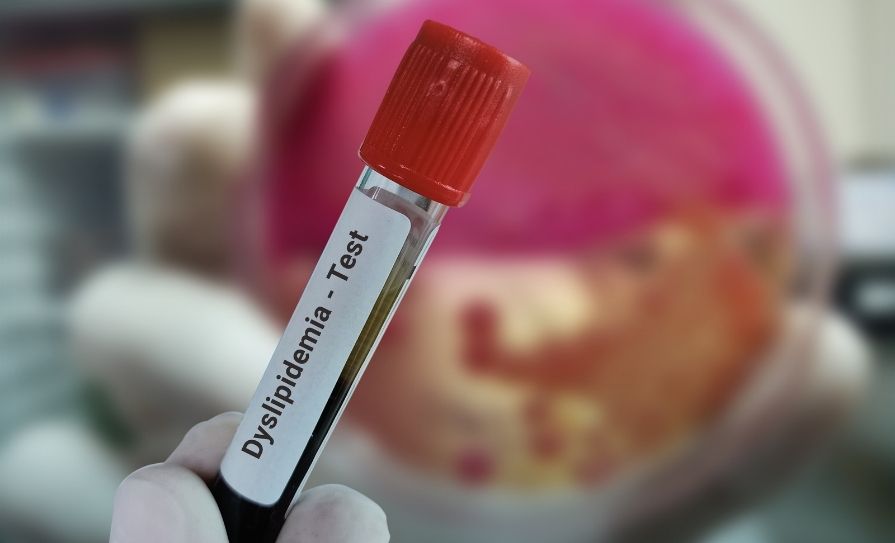
iStock.com/Md Zakir Mahmud
ESC Congress 2025, Madrid, Spain, 29 August–1 September 2025
A new focused update to the 2019 European Society of Cardiology (ESC)/European Atherosclerosis Society (EAS) guidelines on managing lipid levels in patients to reduce cardiovascular risk was published at ESC Congress 2025.
The 2025 focused update provides new and revised recommendations, including the use of new cardiovascular risk predication algorithms, following new data from several randomised controlled trials (RCTs) that might change patient management ahead of the next scheduled full dyslipidaemia guidelines review.
The focused update was produced by an international panel of experts that included co-Chairpersons, Prof François Mach, Professor of Cardiology, Geneva University Hospital, Switzerland; Prof Jeanine Roeters van Lennep, Professor of cardiovascular prevention, Erasmus MC University Medical Centre, Rotterdam, Netherlands; and Dr Konstantinos Koskina, Bern University Hospital, Switzerland.
“Combining our increased medical knowledge about treatments with the improved risk prediction model, we hope that more patients who will benefit from these treatments will get them earlier. This approach could save many lives across Europe and beyond,” Prof Mach said.
The newly-recommended algorithms, SCORE2 and SCORE2-OP, predict 10-year risk of fatal and non-fatal cardiovascular events, and are already recommended in the ESC prevention guidelines. SCORE2-OP provides a risk prediction tool tailored to risk in people between 70 and 89 years old.
The guidance also recommends the use of statins to prevent cardiovascular disease in patients with HIV aged 40 years and older, irrespective of their cardiovascular risk. This follows a large multicentre, randomised, double-blind trial called REPRIEVE which showed significant reduction in cardiovascular disease of patients who were randomised to a statin after five years. People with HIV have a two-fold increase in atherosclerotic cardiovascular disease (ASCVD) compared to the general population.
The new ESC/EAS guidance also recommends considering statin therapy for patients with cancer at high chemotherapy-related cardiovascular toxicity risk. The use of anthracycline-based chemotherapy is associated with the development of heart failure in up to 20 per cent of patients within five years. The guidance cites data from four RCTs that suggest statins would be beneficial for patients at a high or very high risk of developing cardiovascular complications as a result of their cancer treatment.
The focused update also reviewed available evidence since 2019 on the use of supplements and vitamins to reduce LDL cholesterol. No evidence of a supplement or vitamin that is both safe and effective was found, so the focused update does not support the use of dietary supplements or vitamins to lower LDL cholesterol levels with the aim of reducing cardiovascular risk.
“We know that some patients worry about taking statins, often due to misinformation that they have read online. This causes some people to seek out alternative remedies such as supplements and vitamins,” Prof Roeters van Lennep said.
“We searched the available evidence and did not find any supplements or vitamins that are both safe and effective with a significant beneficial effect on cardiovascular prognosis. In fact one of the supplements, red rice yeast, has been banned by the European Union at dosages that could potentially have an effect on LDL cholesterol after it was linked to deaths. We urge anyone concerned about their cholesterol levels to speak to a medical professional for advice rather than taking any chances with their health,” Prof Roeters van Lennep concluded.
The focused update endorses previous guidance that a healthy dietary habit, such as consuming low levels of saturated fat, wholegrain products, vegetables, fruit and fish, can lower LDL cholesterol levels.
The document also gives guidance on:
- The use of new LDL cholesterol lowering drugs such as bempedoic acid, which may be helpful for patients who are not able to take statins.
- The use of lipid-lowering therapies to improve outcomes for patients with acute coronary syndromes.
The ‘2025 Focused Update of the 2019 ESC/EAS Guidelines for the Management of Dyslipidaemias’ is published in the European Heart Journal and available at: https://doi.org/10.1093/eurheartj/ehaf190












Leave a Reply
You must be logged in to post a comment.