







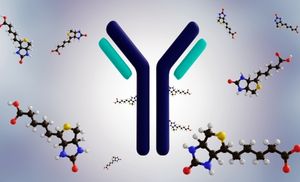
In a landmark moment at the ESMO Congress 2025, pivotal studies unveiled compelling evidence that a new class of anti-cancer agents – antibody-drug conjugates (ADCs) – can dramatically improve outcomes for patients with early-stage HER2-positive breast cancer.
The results from the phase 3 DESTINY-Breast05 and DESTINY-Breast11 trials, presented in a Presidential Symposium, mark a paradigm shift in breast cancer treatment, positioning ADCs not only as powerful therapeutic agents when the disease has already progressed, but also as potential new standards of care in patients with early disease.
“There is a particular need for therapies to ensure patients with HER2-positive early breast cancer achieve pathological complete response following neoadjuvant therapies – ie, delivered before surgery – and a high unmet need to treat residual disease in those who do not, to prevent the development of metastasis,” explained Dr Evandro de Azambuja, Jules Bordet Institute, Brussels, Belgium.
Currently, trastuzumab emtansine (T-DM1) is the only ADC approved for patients with HER2-positive early breast cancer who show residual invasive disease after neoadjuvant therapy and are at a high risk of recurrence. In DESTINY-Breast05, trastuzumab deruxtecan (T-DXd), a new-generation ADC delivering a topoisomerase I inhibitor, was shown to improve invasive disease-free survival by 53 per cent compared with T-DM1 (hazard ratio (HR) 0.47; 95% CI 0.34–0.66; p<0.0001). Also, T-DXd confirmed its high brain activity, demonstrating a clinically meaningful improvement in brain metastasis-free interval over T-DM1 (HR 0.64; 95% CI 0.35–1.17).
“The generally manageable safety profile and the superior efficacy data suggest that T-DXd should replace T-DM1 as the new standard of care for patients with HER2-positive, residual invasive breast cancer after neoadjuvant therapy,” noted Dr de Azambuja.
The use of T-DXd also showed impressive findings earlier in the treatment pathway – before surgery – as reported in the DESTINY-Breast11 trial where 927 untreated patients with high-risk HER2-positive early breast cancer received either the ADC followed by standard HER2-targeted therapy (THP) or the conventional anthracycline-based regimen (ddAC-THP). The cycles of T-DXd, sequenced with THP, led to a significant increase in the rate of pathological complete response at surgery (67.3% versus 56.3%; p=0.003).
“The T-DXd regimen has also the added advantage of an improved safety profile compared with the anthracycline-containing regimen,” commented Dr de Azambuja.
After having reshaped the treatment of multiple types of metastatic cancers over the last few years, novel ADCs such as T-DXd are now “raising the bar” in the curative setting due to innovations in their design and mechanism of action. However, their use presents new challenges that need to be addressed, acknowledged Dr Paolo Tarantino, Dana-Farber Cancer Institute and Harvard Medical School, Boston, MA, US. “For instance, toxicity profiles must be carefully defined and substantial effort to prevent permanent or fatal toxicities is required. Dosing, duration, and sequencing of ADCs must also be optimised to achieve maximal efficacy with the least side-effects and equally critical is the identification of predictive biomarkers that may allow better tailoring of ADC therapy and minimise overtreatment,” cautioned Dr Tarantino.










Leave a Reply
You must be logged in to post a comment.