







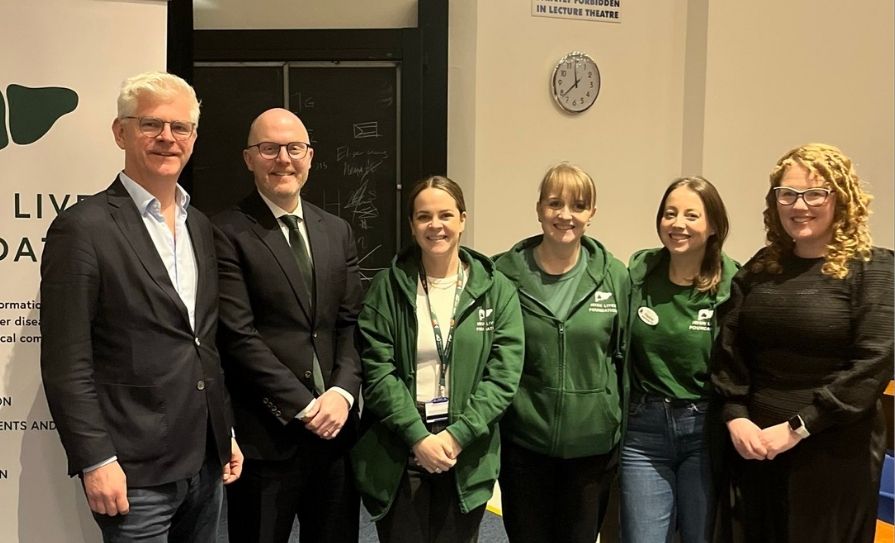
A meeting overview report on the third annual Irish Liver Foundation Study, which took place on 19 January at the Royal College of Surgeons in Ireland, Dublin
Since its inception in December 2022, the Irish Liver Foundation (ILF) has been pushing the agenda of liver health in Ireland. The annual study day it holds for healthcare professionals from all over Ireland has become a calendar highlight to pick us up during the January blues. This year’s study day had presentations from a myriad of groups including general practice, surgery, hepatology, and patients themselves.
Opening remarks
Behind the success of the ILF is the director, Prof John Ryan, Consultant Hepatologist, Beaumont Hospital, Dublin. The ILF is managed by volunteers working within the health service and relies solely on fundraising to provide days such as these. Prof Ryan opened the day by reminding us all why these study days are so important.
According to the European Health for All database, between 1970 and 2020, there was a continuous decline in morbidity and mortality from cancers, diabetes, respiratory disease, cerebrovascular disease, ischaemic disease, circulatory disease, and endocrine disease. However, there is one area where morbidity and mortality increased and that is liver disease.
Prof Ryan explained how the goals of the ILF are to advocate for liver disease in Ireland, provide educational opportunities, help develop services nationwide, support liver research in Ireland which will end late diagnosis of liver disease and liver cancer, and enable better access to liver disease expertise.
We heard how the ILF was also involved in a number of projects in 2025, including the Celtic Liver Forum, the ‘LISN (listen) to your liver’ campaign, and the ILF National Patient Survey, and how they have provided funding for an ILF Fellowship.
From prevention to patient care to policy
Our first speaker was Mr Gerry Nesbitt, Founder of PBC Ireland. Mr Nesbitt was diagnosed with PBC (primary biliary cholangitis) in 2022. PBC is a rare autoimmune liver disease for which there is no cure, but some treatments are available to manage the condition and slow its progression. Mr Nesbitt explained that he was a non-responder to the most common treatment available, ursodeoxycholic acid (UDCA/Ursofalk). He was then prescribed an off-licence medication called bezafibrate (a fibrate drug used as a lipid-lowering agent to treat hyperlipidaemia) and describes the difficulties in accessing the medication and its cost. Mr Nesbit highlighted the fact that there is no access to new European Medicines Agency-approved PBC treatments. We heard how policy decisions are being made without PBC patient representation, that the pharmacology industry is not allowed to engage with patients and finally, that PBC care lacks consistency; for example, information provided at diagnosis, follow-up care, symptom management, and access to second-line therapies all differ depending on where the PBC patient is being cared for.
Therefore, in May of 2025, Mr Nesbitt established PBC Ireland, where there are now over 150 members. It has become a national point of contact for PBC patient support and policy issues affecting the PBC community.
PBC patients can experience a myriad of symptoms such as fatigue, itching, brain fog, night sweats, osteoporosis, and anxiety to name a few. As it is such a rare condition, we need much more research in this area. PBC Ireland have set up the PBC Ireland Patient Registry, where a study protocol for a national platform on PBC will be published.
Mr Nesbitt’s final points were for healthcare professionals to tell their PBC patients about PBC Ireland, to collaborate with PBC Ireland on research and publications, to co-develop educational materials for newly-diagnosed patients, and to collaborate on improving patient care and policy implementation.
Burden of liver disease on hospitals in Ireland – an update
Dr Clare Foley, ILF Fellow, gave us the run down in numbers of the current state of healthcare and liver disease in Ireland. Dr Foley, through her research with the National Audit of Hospital Mortality, and the National Office of Clinical Audit, highlighted some staggering information. The burden of liver disease in Ireland is stark: The approximate cost of liver disease to acute hospitals in Ireland is €168 million per year. In particular, alcohol-related liver disease results in:
▶ Longer length of hospital stay, including in critical care.
▶ High mortality.
▶ High readmission rates (within 30 days).
▶ Higher cost to hospitals.
Dr Foley’s research also highlighted the apparent variation in morbidity and mortality from liver disease across Ireland. For instance, social deprivation has been linked to poorer outcomes in liver disease, which include increased decompensation rates, increased mortality rates, and reduced liver transplant listing. It was also observed that patients from disadvantaged or more deprived areas occupy more intensive care unit (ICU) bed days compared to patients from affluent areas.
Dr Foley also presented some early data from the ILF national patient survey. This survey is being rolled out in every liver clinic around Ireland to discover more about the patient’s perspective on their liver care. It covers topics such as stigma, access to care, access to educational materials, access to support groups or counselling services, quality-of-life, and aetiology of liver disease. While the survey is still ongoing, the main take home points were:
▶ Stigma remains an issue in liver disease.
▶ 70 per cent of patients who had appropriate liver care experienced improvement in their quality-of-life.
▶ Just under 60 per cent of those were provided with educational material and of those, only 53 per cent found the educational materials useful.
To summarise, liver disease is a huge burden on acute hospitals in Ireland. Poorer social deprivation increases the risk of liver disease. Alcohol and social deprivation are a lethal combination. There is plenty of room for improvement to enhance patient care and quality-of-life for patients with liver disease.
Lastly, Dr Foley told us how she is organising a charity cycle from Galway to Dublin on 2 May to raise funds for the ILF. If anyone would like to get involved, you can visit the ILF social media pages or email: ilfcharitycycle@gmail.com.
Managing the alcohol problem
Prof Stephen Stewart, ILF Co-founder, Consultant Hepatologist, Mater Misericordiae University Hospital, Dublin, spoke about the current treatment protocol in place for alcohol-associated hepatitis and its grounding in the STOPAH trial. This study demonstrated that neither pentoxifylline nor prednisolone significantly reduced 28-day, 90-day, or one-year mortality, nor the need for liver transplant. Steroids are initiated when the patient’s Maddrey’s Discriminant Function is >32. The trial suggested that patients who do not respond to steroids (based on the Lille score) after seven days should stop treatment, as the continued use of steroids increased the risk of infection.
Prof Stewart highlighted the British Association for the Study of the Liver decompensated cirrhosis care bundle as a tool to help medics care for liver disease patients. It is a step-by-step guide of what tests to conduct, medication to commence, and plan of care to provide to someone with decompensated liver disease within the first six hours of presentation.
In managing alcohol use disorder (AUD), language matters, he noted. No longer do we use terms like ‘alcoholic’, ‘alcoholic liver disease’, or ‘alcoholic hepatitis’. Prof Stewart explained how treating AUD is complex and requires good rapport, tailoring treatments to the patient, understanding that reduction in alcohol is a success, and while abstinence is the aim, relapse is not failure.
Treatment options for AUD include pharmacotherapy, formal counselling, and other supports such as in-patient rehab. The most usual form of pharmacotherapy is acamprosate and naltrexone. For some of our patients who may be on methadone, they cannot be prescribed naltrexone as it is an opioid antagonist. This again highlights that AUD medication management needs to be a tailored approach and not ‘a one medication for all’ tactic.
Other treatment and support options include integrated alcohol services, HSE Drug and Alcohol Taskforces (nationwide), Alcoholics Anonymous, Narcotics Anonymous and many others. An interesting point Prof Stewart made was how any interaction with a patient with AUD can become a ‘brief intervention’ and we all have the capacity to help. It means that with the patient we:
▶ Recognise a problem.
▶ Resolve ambivalence.
▶ Agree a treatment plan.
To conclude, Prof Stewart pointed out that tackling the ‘alcohol problem’ requires a multifaceted approach. There is no one-medication-fits-all in AUD. Physical and mental health interplay with one another. Medics in general are getting better at saving patients with decompensated liver disease, but more hepatologists are needed.
Medical treatment for metabolic health
Dr Michael Crotty, Clinical Lead for Obesity, Irish College of GPs, led with this opening statement: “Obesity is a chronic disease.” Obesity is not defined by size or body mass index (BMI) alone, it is a complex, chronic, and progressive neuroendocrine disease. Dr Crotty explained how obesity leads to an alteration of body functioning, such as changes in appetite, altered physiology including inflammation, insulin resistance, poorer circulation, hormone function, and energy use. This has a knock-on effect with common signs and symptoms such as increased hunger, reduced fullness, joint pain, increased body fat mass, impaired mobility, snoring, and low self-esteem. These characteristics have associated harms such as type 2 diabetes, high blood pressure, metabolic syndrome, fatty liver, heart disease, stroke, depression/anxiety, and certain cancers.
Dr Crotty explained how regulation of energy balance and weight is interconnected, and how we are also driven in our decision-making and food selection by social factors, food cues including palatability, taste, texture, smell availability, and of course cost. When it comes to weight reduction, our physiology tends to defend against it, and encourages weight regain.
Treatment options include life treatment, pharmacotherapy, and bariatric surgery. Life treatment involves lifestyle modifications like nutritional therapy, behavioural interventions, sleep hygiene, pain management, and mental health management. Pharmacotherapy exists in the form of GLP-1 inhibitors like semaglutide, tirzepatide and liraglutide, and interestingly naltrexone was also mentioned. Bariatric surgery is the gold standard for weight reduction and maintaining the weight loss. The main take-home message is that for the right patient, there is the right treatment at the right time.
We also learned how GLP-1 medications work. They decrease our hunger drive and increase the feeling of fullness by delaying gastric emptying. They have additionally been shown to have positive impacts on major cardiovascular disease, better glycaemic control leading in some cases to reversal of type 2 diabetes, and a reduction in progression of chronic kidney disease. The benefits do not end there; there was also data that showed the impact of obesity treatment on obstructive sleep apnoea (reduced by 48-56 per cent), a six-fold increase of the resolution of MASH (metabolic-associated steatohepatitis)without worsening fibrosis, and consistent reduction of liver fat and inflammation.
To summarise, obesity treatment improves outcomes leading to:
▶ Longer life.
▶ Disease reversal.
▶ Organ protection and disease prevention (liver disease in particular).
▶ Better functioning and quality-of-life.
Those caring for patients who are obese or who have MASH/MASLD (metabolic-associated steatotic liver disease) should feel more empowered to prescribe GLP-1 medications.
Bariatric surgery for MASLD
In contrast to Dr Crotty’s take on lifestyle treatments and pharmacotherapy in treating obesity, we were intrigued to see the impact of bariatric surgery in liver disease. Bariatric surgery is an effective treatment for MASLD. Prof Helen Heneghan, Consultant Bariatric Surgeon, St Vincent’s University Hospital, Dublin, explained that bariatric surgery is safe in patients with compensated liver disease (0.9 per cent mortality rate), but probably not in decompensated liver disease (16.3 per cent mortality rate). Data was presented on liver biopsies that were taken at the time of bariatric surgery of 468 patients:
▶ 89 per cent had MASLD.
▶ 22 per cent had MASH.
▶ 64 per cent had established liver fibrosis.
▶ 24 per cent had advanced fibrosis.
Bariatric surgery may facilitate transplant eligibility for patients whose BMI is above the cut-off point for transplant. The most common type of bariatric surgery offered is a gastric bypass or sleeve gastrectomy. In a small study conducted by Prof Heneghan and her team, they took a liver biopsy at the time of bariatric surgery, and a second biopsy at a subsequent procedure. While the numbers were small, the data was remarkable:
▶ At biopsy 1, 100 per cent of patients had MASLD, vs 30 per cent at biopsy 2.
▶ At biopsy 1, 40 per cent had MASH, vs 0 per cent at biopsy 2.
▶ At biopsy 1, n=2 patients had cirrhosis, vs n=1 at biopsy 2.
There are also some less permanent procedures to aid in weight loss, such as intragastric balloons performed in endoscopy, or gastric bands. Prof Heneghan warned that while these procedures are safe in general, they are not suitable for patients with portal hypertension or varices.
Concomitant liver transplant and bariatric surgery should be considered for patients with MASLD cirrhosis, she said. It requires a multifaceted approach to ensure the right patient is put forward for this surgery. We were reminded that major abdominal surgery mortality in those with decompensated liver disease (Child-Pugh C) is 76–82 per cent.
Prof Heneghan also highlighted the need for more prospective studies on the safety and efficacy of obesity treatments for patients with MASLD cirrhosis. The window for opportunity to intervene safely in early cirrhosis is small. The patient needs to be well compensated with no/minimal portal hypertension. A sleeve gastrectomy is the preferred procedure, due to the lower perioperative associated risk and that it does not affect medication absorption.
Sarcopaenia in liver disease
In complete contrast to obesity, Prof Karen Boland, Consultant Gastroenterologist, Beaumont Hospital, Dublin, presented her talk on sarcopaenia in liver disease. Sarcopaenia is a multifactorial condition, characterised by generalised and progressive loss of skeletal muscle mass, reduced physical performance and strength. Prof Boland described sarcopaenia as a constant battle of anabolic resistance that causes challenges in gaining and maintaining muscle mass. Worryingly, rapid skeletal muscle wasting predicted worse survival in patients with cirrhosis. Loss of 3.1 per cent of skeletal muscle mass/year was associated with death within 39 months.
So, what can be done to help? Prof Boland covered three areas that can help in sarcopaenia:
1. Weight – nutritional assessment, dietary counselling and education, tailored aerobic and resistance physical activity (aiming to preserve lean muscle mass).
2. Supplements – branch-chain amino acids (BCAAs), vitamin D supplements and perhaps myostatin antagonists.
3. Management of liver disease – treatment of complications and comorbidities and/or liver transplantation.
Combination treatment has been shown to improve frailty in comparison to standard of care. This includes a high protein, high-calorie diet with frequent small meals, including a late evening snack; combining aerobic and resistance exercise; potential ammonia-lowering therapies like lactulose and rifaximin; and leucine-rich BCAA supplements to reduce muscle breakdown.
An inexpensive tool that would be of great benefit in liver clinics would be a Jamar dynamometer, which measures grip strength, she said. It is easy to use, cheap, repeatable and does not need space. Grip strength is a quick and straightforward way to help measure frailty. Prof Boland’s final and most crucial point highlighted the urgent need for more dieticians to support our patients, reduce frailty, and improve outcomes.
Liver disease in ICU
Liver disease in ICU had us glued to our seats and paying attention. It was Dr Donal Ryan’s, Consultant Intensivist, St Vincent’s University Hospital, Dublin, first time presenting at the ILF study day and he did not disappoint. Dr Ryan presented us with several different definitions of acute liver failure (ALF), but essentially it involves liver failure whereby there is no underlying liver disease, the presence of hepatic encephalopathy, occurring within eight weeks after onset of jaundice, and the presence of coagulopathy (INR >1.5). This is what lands you in the ICU.
The most common cause of ALF is paracetamol overdose (accidental or intentional). For a doctor covering an emergency department, nothing is more terrifying than a patient who presented with a paracetamol over dose, who begins to show signs of hepatic encephalopathy.
Hepatic encephalopathy (Greek for ‘inside head suffering’) is a serious decline in brain function caused by severe liver disease or liver failure. It is categorised into grades using the West Haven Grading system. The grades are 1-4, with grade 1 manifesting as mild, sometimes covert signs of encephalopathy to grade 4 which is coma.
Early encephalopathy presents with sleepiness which then progresses to disorientation, confusion, changes in behaviour and asterixis. The onset of aggressive behaviour, hyperflexia, and ankle clonus are indicative of risk progression to grade 3–4 encephalopathy (coma) and subsequent development of severe brain oedema. The onset can be rapid. Patients should be admitted to the ICU. Planning for transfer to a transplant centre should begin with grade 1 encephalopathy because they may worsen rapidly.
Dr Ryan also taught us to be incredibly careful when foraging for mushrooms. The wild mushroom Amanita Phalloides might sound like a tasty treat, but it can be deadly, hence its nickname ‘death cap’. He described a terrifying case study involving ALF induced by Amanita Phalloides. He explained the management of the patient in ICU and how ultimately they were successfully liver transplanted.
The aims of the ICU are to identify the cause of ALF and to manage the complications. The most common causes for ALF have specific therapies, for example, penicillin G and N-acetylcysteine are given in Amanita Phalloides poisoning, AIH is treated with methylprednisolone, acute HBV is treated with lamivudine, and in acute fatty liver of pregnancy (AFLP)/HELLP (haemolysis, elevated liver enzymes, and low platelets) the foetus needs to be delivered.
Basic management in the ICU includes intubating the patient to maintain their airway (particularly in grade 3 and 4 encephalopathy), to maintain normal temperature, normal electrolytes, normal fluid volume, normal oxygen, and adequate sedation. In cirrhosis or decompensated liver disease, lactulose and rifaximin are often used in encephalopathy, however, in ALF where there was no pre-existing liver condition, lactulose and rifaximin were not shown to favourably affect outcomes or coma grade.
The majority, 90 per cent, of patients with ALF develop infection, therefore sepsis is a huge concern for this group. Coagulopathy is also common in patients with ALF having raised INRs, platelet dysfunction, and fibrinogenaemia, however, clinically-significant bleeding in ALF is uncommon (<10 per cent).
ALF accounted for the aetiology of less than 5 per cent of the last 158 liver transplants that took place in St Vincent’s University Hospital. Dr Ryan concluded by saying that while ALF is survivable without transplant, ICU care is essential.
Novel therapies for autoimmune liver disease
Our final talk of the day was presented by Dr Cathal Clifford, Consultant Gastroenterologist, Our Lady of Lourdes Hospital, Drogheda. Dr Clifford’s presentation on novel therapies in autoimmune liver disease brought the day full circle back to Mr Nesbitt and the patient experience. The types of autoimmune liver disease covered included AIH, PBC, and PSC.
The evolution of treatments for autoimmune liver disease began in the 1970s where the mainstay of treatment involved corticosteroids and azathioprine. In the 1990s, azathioprine monotherapy was introduced, followed by mycophenolate mofetil (MMF), tacrolimus, and infliximab as immunosuppression options in the early 2000s, and budesonide was the first AIH-specific steroid introduced in 2010. In 2023, MMF was considered first-line therapy and in the latest European Association for the Study of the Liver guidelines (2025), it is now recommended as a safe and viable first-line alternative to azathioprine. One caveat to remember is the teratogenic side-effects of MMF. Budesonide, which had previously been recommended as part of first-line therapy, is no longer endorsed due to concerns regarding overall effectiveness and safety.
Dr Clifford gave us some hope for the future with emerging data on new treatments for PBC, such as elafibranor and seladelpar. While both double-blind placebo-controlled trials demonstrated great biochemical responses, their study numbers were small. But watch this space. Interestingly, elafibranor data was also presented in the PSC cohort, which also showed some promising results.
In Dr Clifford’s concluding comments, he explained that while autoimmune liver disease treatment remains challenging, there are also a substantial number and diversity of clinical trials ongoing. There is a future need to harmonise measures used in clinical trials through the development of a core outcome set.
Conclusion
The day was a tremendous success, and we would like to sincerely thank the speakers, attendees, our hosts the RCSI, the sponsors and volunteers. We had over 150 attendees from all over Ireland, which demonstrates the appetite for learning about liver disease and the need for providing study days like these.
See www.liverfoundation.ie/ for more information on the work of the ILF.








Leave a Reply
You must be logged in to post a comment.