







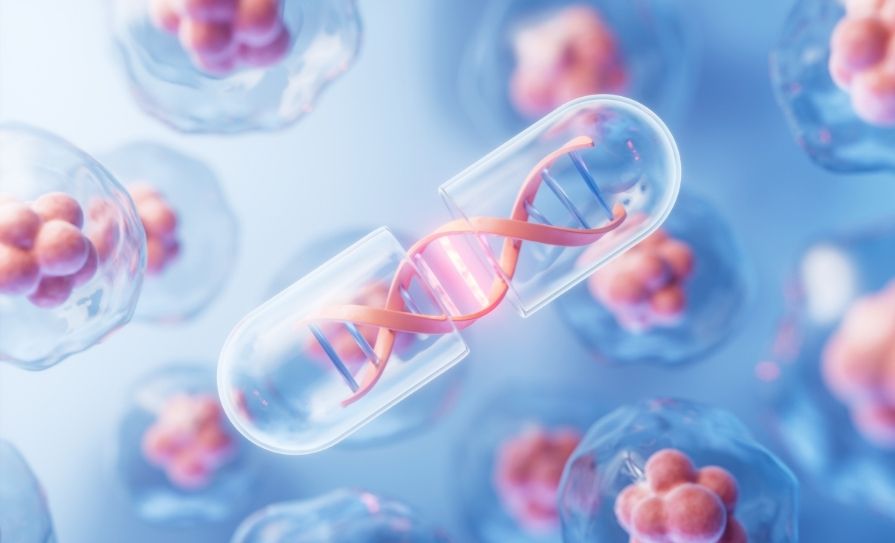
We are now living in a rapidly evolving therapeutic landscape for inherited neuropathies – one in which gene silencing, gene editing, and biomarker-driven innovation are reshaping what is possible for patients once considered untreatable.
Speaking at this year’s World Congress of Neurology, Prof Mary Reilly, Professor of Clinical Neurology and Consultant Neurologist, UCL Queen Square Institute of Neurology, London, said that science has finally caught up with vision.
“After decades of mapping the genetic causes of neuropathy, we are finally treating them at their source,” said Prof Reilly. “What once felt theoretical is now entering the clinic.”
Prof Reilly traced the path from early genetic discoveries in transthyretin (TTR) amyloidosis – once a uniformly fatal condition – to today’s RNA- and CRISPR-based therapies that silence or edit disease-causing genes directly. These breakthroughs have transformed outcomes and set a precedent for applying gene-based treatments to broader classes of Charcot-Marie-Tooth and related disorders.
Biomarkers such as neurofilament light chain and MRI fat fraction are emerging as critical tools to measure treatment response and accelerate regulatory approval, she noted.
“For slowly progressive neurogenetic diseases, we need surrogate endpoints that predict clinical change,” said Prof Reilly. “Without them, our trials will take too long and progress will slow.”
As patients live longer, novel disease patterns, such as central nervous system involvement in TTR amyloidosis, are beginning to emerge, underscoring the need to study the natural history of treated diseases. This calls for collaboration across industry, regulators, and academia to ensure delivery challenges, safety standards, and long trial timelines do not stall innovation.
“We’re learning how to deliver therapies not just to the liver or muscle, but to the peripheral nerve itself,” she said. “Each barrier we overcome expands what’s possible for the next disease.”
The precision tools of modern genetics, once confined to theory, are now rewriting the future of neurological care.
“We are at the cusp of a transformative moment,” Prof Reilly concluded. “Inherited neuropathies are moving from gene discovery to gene therapy. The next challenge – and opportunity – is to make these treatments safe, scalable, and accessible to every patient who needs them.”







Leave a Reply
You must be logged in to post a comment.