








Hidradenitis suppurativa is a chronic or long-term inflammatory skin disease of the hair follicle. Its characteristics include recurrent, painful nodules, ‘boil-like’ lumps or abscesses that can occur in the armpits, groin, perianal area, buttocks, or under the breasts
Hidradenitis suppurativa (HS), also known as acne inversa, is a chronic, painful, recurrent inflammatory skin condition of redness, lumps and swelling that mainly occurs in areas of the body where there is a certain type of sweat gland (apocrine sweat glands). These are found mainly in the armpits, breasts, abdominal folds, groin, genital area, and buttocks. Inflammation and blockage of hair follicles causes boil-like lumps, areas which leak pus, and scarring tunnels under the skin’s surface.1
HS affects approximately 1-2 per cent of the Irish population,2 typically affecting females more than males. There is often a long wait for diagnosis as it can appear similar to individual episodes of hair follicle inflammation (folliculitis) or skin infection. People often attend their GP or emergency departments for these individual episodes, but the recurring pattern can take years to be realised, delaying treatment. There is no specific test to diagnose HS.
Presentation
HS abscesses are usually painful, and can impact on daily activities such as sitting or walking.
HS can look like blackheads, pus spots or red lumps like boils or cysts (abscesses) at first, and can progress to tunnelling under the skin (sinus tracts) in later stages, with scarring. Leaking pus and poor wound healing can also be a feature.
The symptoms and signs of HS are graded using the Hurley staging system; from Hurley stage I (mild) to stage III (severe).
▶ Hurley stage I (mild): Single or multiple abscesses. These usually start as firm, pea-sized nodules in one affected area (eg, in armpits, under breasts, in the groin).
▶ Hurley stage II (moderate): Recurrent spots and abscesses with formation of sinus tracts in multiple areas of the body. Scarring can occur over time.
▶ Hurley stage III (severe): Widespread spots and abscesses with multiple interconnected sinus tracts, with scarring.
What causes HS?
The cause of HS is not well understood. It is thought to start with blockage of hair follicles and when the fluid within follicles cannot escape, the follicles become inflamed and form abscesses.
HS is not related to hygiene and poor hygiene does not cause HS. HS is not contagious and cannot be passed on to anyone else through skin contact.
There may be a genetic element as HS runs in families of about one-third of those affected.
Some things that can contribute to or worsen HS include:
▶ An over-active immune system: Many treatments for HS reduce the activity of the immune system to decrease inflammation caused by the condition.
▶ Hormones may be involved in the control of apocrine sweat glands and play a role. Many people find their HS can worsen around their menstrual periods and pregnancy can also impact the condition. Some treatments for HS have a hormonal basis.
▶ Bacteria that usually live on our skin’s surface without causing harm may become trapped in the blocked hair follicle or sweat gland and produce inflammation. Long-term antibiotics are part of the treatment for HS.
▶ Smoking: Up to 60 per cent of people with HS are smokers, but it can also affect non-smokers.
▶ Raised BMI: HS is more common in people who are overweight and obese, but can also affect people who do not have increased weight.
Are any other conditions associated with HS?
HS can be associated with multiple medical conditions, both physical and psychological. People with HS should be encouraged to talk to their GP or healthcare professional if they have any concerns, as it is important that these conditions are recognised alongside HS itself.
▶ Mental health conditions: HS is linked with depression, anxiety, and substance use disorder.3 It is very important that people with HS speak to a healthcare professional if they have concerns about their mood.
▶ Follicular occlusion disorders: HS is associated with other conditions surrounding hair follicles which include acne, pilonidal sinus (a chronic abscess of the buttock crease), and scarring scalp disorders.
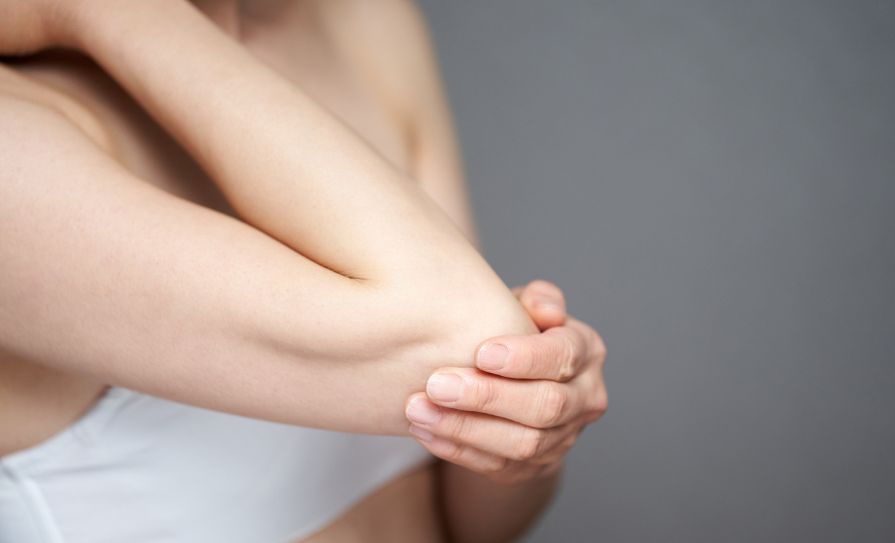
▶ Inflammatory conditions: Some people affected by HS can also have inflammatory bowel disease (Crohn’s disease or ulcerative colitis), which can present with blood in the stool, abdominal pain, persistent diarrhoea, or weight loss. There is also a link with inflammatory arthritis, with symptoms such as persistent joint pain and swelling usually worse in the mornings.
▶ Cardiovascular health: HS can be linked with medical problems such as high blood pressure, high cholesterol, and diabetes.
Self-care in HS: What can patients do
▶ To aid with diagnosis if someone is suspected of having HS it can be helpful to ask them to keep a record of symptoms and signs with regular photographs. This will assist in recognising the pattern of HS over a prolonged period.
▶ In flares, a warm flannel applied to the area or a bath may encourage drainage of pus. Painkillers can also help to manage pain and inflammation.
▶ Lifestyle changes: Smoking cessation and weight loss can help to improve symptoms of HS. A great place to start is to stop or cut down smoking and to target diet and exercise. Talking to their GP about medications licensed for weight loss may also be a good consideration after making these changes.
▶ Clothing: Choice of clothing depends on what works best for each individual, depending on which areas HS is affecting. Avoidance of tight clothing and underwear can be helpful to prevent irritation from skin chafing, so loose-fitting cotton clothing may be helpful. Dressings may be required for open areas, and wearable wound-management garments have been developed in Ireland to keep dressings in place throughout the day (Hidrawear).
▶ Look after their mental health and seek support if required. HS support groups are a community led by patients to support those affected with HS, their family, and friends.
What treatments are available?
There are many treatment options available for HS; starting from topical therapies all the way up to immunosuppressant injections and surgeries to remove problematic areas of HS.4 While HS cannot be cured, it can be managed over time with the aim of decreasing the amount and severity of flares.
Alongside these options; weight loss, smoking cessation, psychological supports and pain relief are recommended.
▶ Antibacterial lotions and washes: Some find antiseptic washes such as chlorhexidine helpful. An antibiotic lotion, eg, clindamycin, can be applied directly to areas of HS.
▶ Localised steroid injections: Intralesional injection of corticosteroids (triamcinolone) into areas of HS to decrease inflammation in the skin during flares.
▶ Oral antibiotics: Antibiotics are prescribed for a longer duration (three-to-six months) in HS to suppress inflammation rather than for their short-term use to kill bacteria. Most commonly used antibiotics in HS are tetracyclines (eg, doxycycline or lymecycline), or clindamycin and rifampicin can also be used.
▶ Non-antibiotic tablets: Acitretin, an oral retinoid drug, functions similarly to vitamin A to potentially help by unblocking hair follicles, a key factor in HS. Acitretin is considered a third- or fourth-line therapy and can be effective for moderate-to-severe HS, especially in patients with follicular phenotypes, but it is not recommended as an option for women of childbearing age due to its long half-life and teratogenicity. Another option for mild-to-moderate HS is dapsone, which combines anti-microbial and anti-inflammatory properties that address aspects of HS pathogenesis. These agents require blood test monitoring and careful discussion on pregnancy risks with women of childbearing age.
▶ Hormonal agents: In those who have HS which flares with menstruation, an anti-androgen medication can be helpful, eg, contraceptive pill or spironolactone.
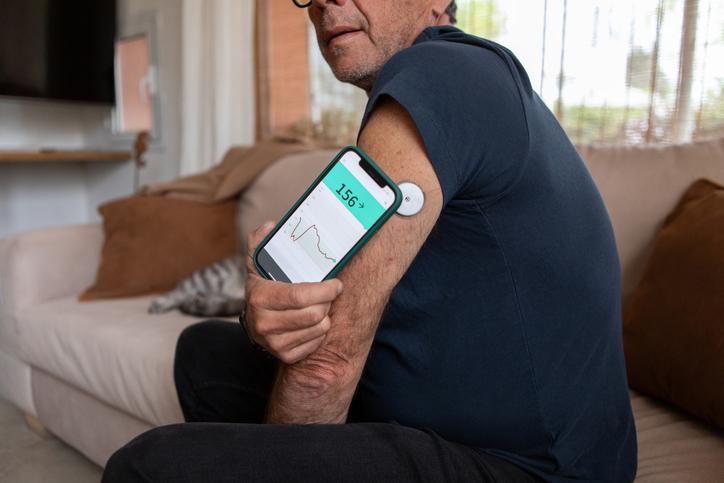
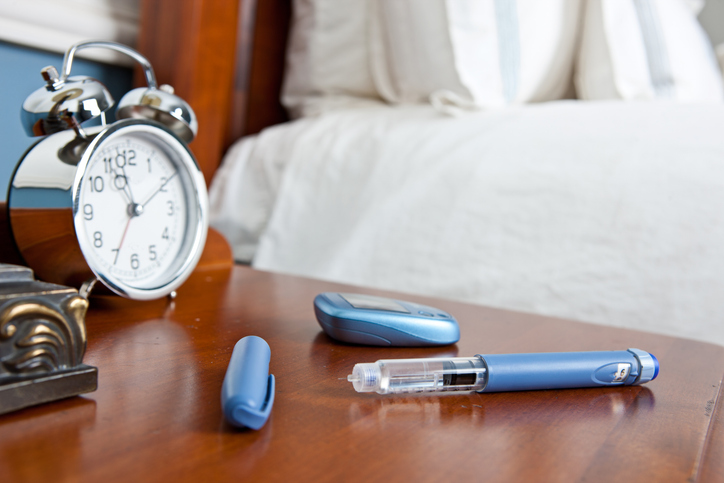
▶ Anti-diabetic medications: Metformin shows benefit in HS, particularly in those who have pre-diabetes, diabetes, and polycystic ovarian syndrome. Newer diabetic and weight-loss medications such as GLP-1 agonists (eg, semaglutide) can also help HS, though are not currently licensed for this indication.
▶ Immunosuppressant injections (biologic therapies): Moderate-to-severe HS that does not improve with other medications may need biologic injection treatments that suppress the immune system. These include adalimumab, bimekizumab, secukinumab, and infliximab.
▶ Surgical treatment: Incision and drainage may be required for individual HS lesions. Deroofing of skin tunnels under local anaesthetic or wider-scale removal of areas of HS under general anaesthetic are also an option for severe disease. Medical or biologic treatments may be continued alongside surgical management.
Support
The Irish Skin Foundation (ISF) has an information booklet on its website on HS and its dermatology nurses provide free, confidential specialist guidance through a phone line call-back service to people struggling to manage skin conditions including HS.
To mark HS Awareness Week earlier this year, the ISF launched a new information video resource for people affected by HS. The video resource, presented by Kelly Impey, Registered Advanced Nurse Practitioner, provides information on the causes of HS; common sites on the body affected; and wound management for HS. It can be accessed at: https://irishskin.ie/2024/06/03/video-hs-wound-care-management/
References
1. British Association of Dermatology. BAD patient information leaflet: Hidradenitis suppurativa [Internet]. London: BAD; 2025. Available at: www.bad.org.uk/pils/hidradenitis-suppurativa
2. Delany E, Gormley G, Hughes R, McCarthy S, Kirthi S, Markham T, et al. A cross-sectional epidemiological study of hidradenitis suppurativa in an Irish population (SHIP). J Eur Acad Dermatol Venereol. 2018;32(3):467-73
3. Folkmann CL, Pinborg EH, Iversen M, Rønnstad ATM, Holgersen N, Nielsen ML, et al. The association between hidradenitis suppurativa and psychiatric disease: A systematic review and meta-analysis. Br J Dermatol. 2025 Jul 17;193(2):212-220
4. Zouboulis CC, Bechara FG, Benhadou F, Bettoli V, Bukvić Mokos Z, Del Marmol V, et al. European S2k guidelines for hidradenitis suppurativa/acne inversa part 2: Treatment. J Eur Acad Dermatol Venereol. 2025 May;39(5):899-941








Leave a Reply
You must be logged in to post a comment.