







Bette Browne reports on the groups of doctors and nurses treating undocumented immigrants in the US
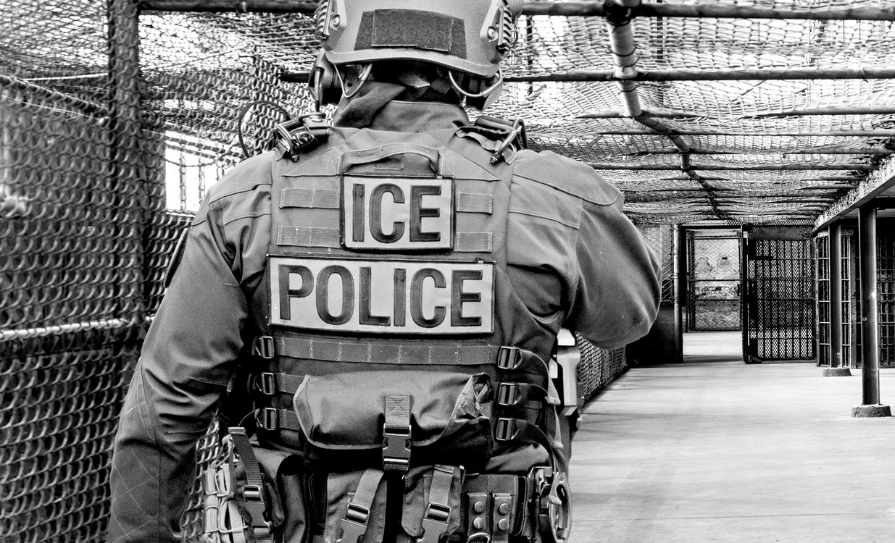
Back in January 2025, the Trump administration officially rescinded policies that had protected “sensitive locations” – including hospitals, clinics, and healthcare facilities – from immigration enforcement.
It removed restrictions on Immigration and Customs Enforcement (ICE) agents that had previously prevented or limited the arrest in medical facilities of immigrants without legal status.
This has caused fear within communities seeking necessary medical attention that they or their loved ones may be detained or deported while trying to access care, the New York-based Physicians for Human Rights organisation (PHR) stated.
“Healthcare facilities provide services essential for the health, wellness, and safety of not only patients, but also for the whole community, which depends on the wellness of all residents,” PHR said in a statement on its website.
“When community members avoid care due to fear of immigration enforcement, public and personal health suffers, including worsening outcomes from delayed treatment leading to more serious conditions.
“This fear also extends beyond patients to the people providing care. Nearly 20 per cent of the healthcare workforce in the United States is composed of immigrants, many of whom work on the frontlines in hospitals and clinics.”
Disruption
The Pew Research Centre reported in August 2025 that the number of undocumented immigrants in the US reached an all-time high of 14 million in 2023. Preliminary data gathered by the Centre indicated continued growth into 2024 and a decrease in 2025.
It is estimated that nine million children (10 per cent of all children living in the US) are citizens with a non-citizen parent. There are an estimated 10,000 undocumented Irish immigrants in the US.
A survey of 691 healthcare workers across 30 states late last year by PHR and the Migrant Clinicians Network (MCN) found that recent immigration enforcement actions have led to healthcare disruptions for children and adults across the country.
Healthcare workers reported consequences including children presenting at hospital emergency rooms unaccompanied, delayed diagnoses of life-threatening illnesses, and children as young as six presenting with anxiety due to fears of family separation.

“We are witnessing the creation of a generation with preventable trauma, delayed diagnoses, foregone treatments, and compromised development,” said Dr Katherine Peeler, Consultant Paediatrician and PHR’s Medical Advisor.
“What we are documenting is systemic, orchestrated harm to immigrants, and therefore their children – harm that is entirely preventable. Parents are making impossible choices: Declining surgery for their children, delaying emergency care, and refusing specialty referrals because they have calculated that the risks of deportation or family separation exceed the medical necessity.”
Dr Laszlo Madaras, Chief Medical Officer for MCN, had similar concerns. “Our clinical network is sounding the alarm: Fear is keeping migrant and immigrant children from critical care to stay safe and healthy. Healthcare is a human right. When fear blocks care for some, it harms all of us.”
In relation to disruptions in healthcare stemming from policy changes and ICE actions, other professional medical organisations, including the American Medical Association (AMA), the American College of Physicians, and the Infectious Diseases Society of America, have also made strong comments on the issue.
“When people are afraid to seek medical attention for themselves or their families, it threatens their health, impedes the ability of physicians to render care, and ultimately undermines basic trust in our healthcare institutions,” Dr David Aizuss, Chair of the board of trustees of the AMA, said in a statement on 26 January.
Minneapolis
Fears among undocumented families have mounted in recent months, especially in the aftermath of fatal shootings by immigration officers in confrontations with protestors.
There was widespread shock when Renée Good, a 37-year-old US citizen and mother of three, was fatally shot by an ICE agent in the Minnesota state city of Minneapolis on 7 January.
Federal officials said the agent fired in self-defence, alleging Good had tried to run the agent over.
However, witnesses, legal advocates and some independent video analyses disputed the federal account, arguing that Good did not pose an imminent threat when she was shot.
Then, a few weeks later, on 24 January, a 37-year-old intensive care nurse Alex Pretti was shot dead by Border Patrol agents in the city who said he had impeded their efforts to detain an undocumented immigrant. Video footage contradicted key elements of the official account, showing Pretti was holding a mobile phone to film the agents, not a weapon.
These fatalities sparked widespread outrage and, in February, President Donald Trump ordered the withdrawal of hundreds of ICE agents from the state of Minnesota.
Following the immigration crackdown and subsequent unrest, Minnesota clinicians reportedly created informal volunteer networks that conducted home visits, telehealth consultations, medication deliveries, and other services for patients too afraid to seek care.
According to Minnesota state Democratic Senator Alice Mann, who is also a doctor, the formation of informal medical networks was a necessity.
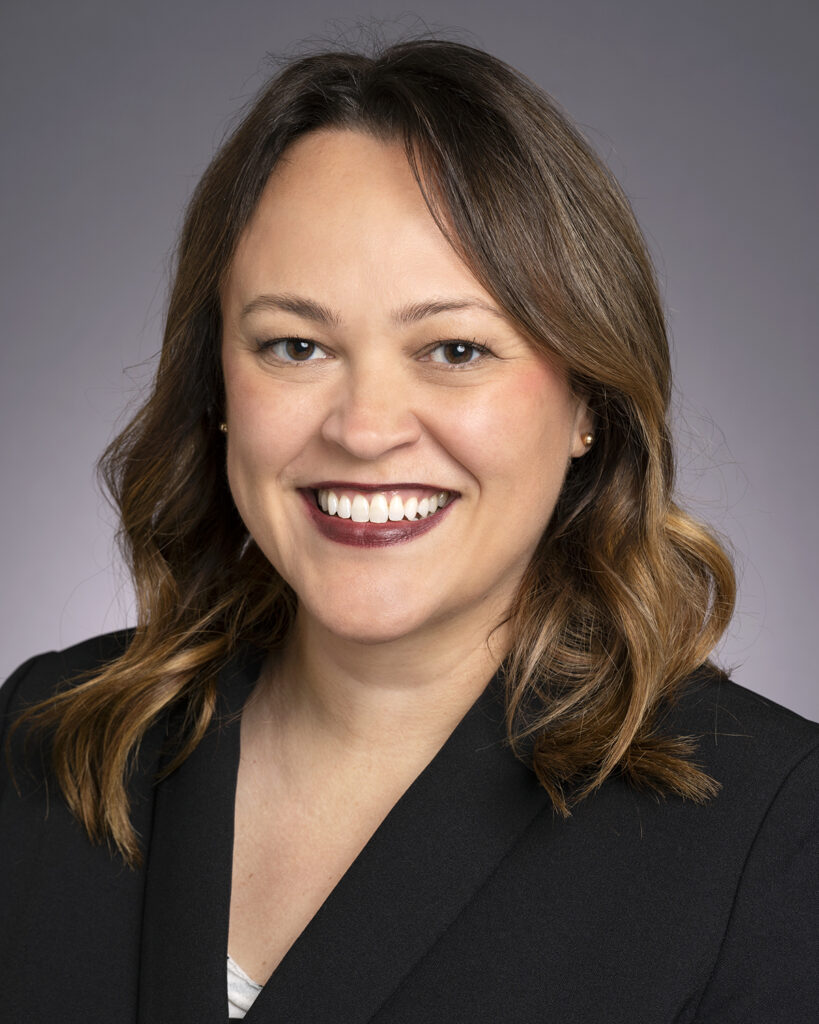
“I know it sounds crazy,” she told National Public Radio (NPR) in an interview in March, but healthcare providers needed “to start an underground network of how to get people care in their homes”.
“Because letting people die at home or come close to death because they are terrified to go into the hospital, in 2026, is outrageous.”
Despite the withdrawal of immigration agents, communities were still fearful, Dr Brian Muthyala, a Minneapolis physician, told CNN in an interview later in February.
“It may seem from somebody who’s outside of Minnesota that everything is sort of returning back to normal, but that is far from the case,” according to Dr Muthyala.
“That’s had a direct impact on patient numbers. People aren’t going to clinics. People aren’t coming to the ER. People aren’t getting surgeries. We have significant no-show rates in our obstetrics clinics, our prenatal clinics, our paediatric clinics, our acute care clinics.”
Parents are sending their children to the hospital with neighbours, and staying on the phone as their children are seen, Dr Bryan Fate, a paediatrician at Children’s Minnesota, told the STAT medical news service in a 3 February report.
“The hospital has dispatched nurses to see newborns of mothers who are too scared to leave home,” he said.
Dr Fate treated a young girl suffering from a severe ear infection after she was brought to him by neighbours rather than her parents. By the time she received medical attention, the infection had become so advanced that it had burst her eardrum, leaving her in considerable pain and with a fever that prevented her from sleeping.
“The whole side of her cheek was just pus – because the family was too afraid to take her in [to hospital],” he said.
Other states are facing similar issues. A family in Oregon spent three weeks at an immigration detention centre in Texas after ICE agents in mid-January arrested the parents and their seven-year-old daughter in the car park of Portland Adventist Health before they could receive care for the child’s prolonged nosebleed, Oregon Public Broadcasting reported. The family had come to the US from Venezuela in 2024 and had a pending asylum case.
Doctors are describing other harrowing consequences for patients who delayed seeking care or skipped it altogether, including a patient with a burst appendix, according to the February report by STAT.
The report stated that attendance at medical appointments has declined, while vaccination uptake among immigrant communities has fallen markedly. In Dallas, health department clinics recorded a sharp reduction in back-to-school immunisations among Hispanic children in August 2025 compared with the same month the previous year, with the number administered dropping from about 11,500 to fewer than 5,800. Speaking to STAT, the Director of Dallas Health and Human Services
Dr Philip Huang said outreach workers consistently heard from residents that fears of encounters with ICE officers were discouraging them from leaving their homes.
Healthcare Without Fear
Some clinics decided to bring healthcare to their vulnerable patients. About 25,000 patients who attend St John’s Community Health network in Los Angeles are undocumented.
According to the clinic, approximately one-third of those patients have chronic conditions, such as diabetes and hypertension, and were skipping routine physicals and avoiding critical care.
After a survey last year found that hundreds of its patients had cancelled appointments solely due to fear of being detained by ICE, the community network took immediate steps. It trained doctors, nurses and medical assistants to work as home-visit teams, going directly to people’s homes who had missed appointments or were too afraid to leave their homes.
Through the ‘Healthcare Without Fear’ initiative, launched in March 2025, St John’s doctors, nurses, phlebotomists, and other healthcare professionals made hundreds of house calls each week.
Since then the programme has been mirrored in some other states, including Illinois, and is now being considered in the District of Columbia.
In April this year, Oregon Governor Tina Kotek signed the Healthcare Without Fear Act (SB 1570) into law.

“SB 1570 is about a simple, but fundamental principle: No one should be afraid to seek medical care,” she said.
“Not for themselves. Not for their children. Not in moments of crisis, pain, or vulnerability,” said Oregon Senator Wlnsvey Campos, who had been a chief sponsor of the Bill.
“We are living in a moment when immigration enforcement has become more visible, more aggressive, and more unpredictable. We need a clear, enforceable state-wide standard that protects patients, supports healthcare workers, and strengthens public health.”
This followed similar legal protections for undocumented immigrants that had been signed into state law in September 2025 by California Governor Gavin Newsom.
But undocumented immigrants have reason to remain concerned. On 17 April, NPR reported that government data showed 29 people had died in ICE custody since the start of the fiscal year in October 2025, already surpassing the previous full-year record of 28 deaths.
The rise comes as detention numbers have soared under the Trump administration. Detentions are up more than 70 per cent compared to the first year of the administration of President Joe Biden
According to statistics from ICE, there are about 60,000 people currently in immigration detention. As the numbers of those being detained increase, so has the level of concern both for doctors and those undocumented immigrants who are their patients.

Oregon legislation to protect healthcare for undocumented immigrants
On 31 March 2026, Oregon Governor Tina Kotek signed the state’s Healthcare Without Fear Act, SB 1570, into law.
The law is described on the Governor Kotek’s website as “protecting Oregonians from [President Donald] Trump’s agenda” in relation to immigration enforcement.
“It will require hospitals and federally qualified health centres to take affirmative steps to protect patients and their families….”
The measures in the Act, which came into force from 5 June 2026, include:
▶ All hospitals must adopt and maintain written policies and procedures that describe how they will interact with law enforcement (including federal immigration officers). The new policies and procedures must:
▶ Describe how the hospital will respond if a law enforcement authority arrives at the hospital.
▶ Identify at least one supervising administrator who will serve as the hospital’s designated representative to interact with law enforcement.
▶ Designate which areas of the hospital are private and not open to the public, which must include patient rooms as well as any area for which entry or access is controlled.
▶ It prohibits hospitals and federally qualified health centres from retaliating or taking disciplinary action against employees for distributing informational or educational materials concerning immigrant rights or available immigration legal services if the materials are published or otherwise made available by a state agency.
▶ It requires healthcare facilities to treat information about a person’s citizenship, immigration status, and country of birth as confidential and protected in the same manner as all other health information protected by state law. Healthcare facilities may not disclose such information for the purpose of law enforcement unless disclosure is required by state or federal law or by court order.
(Source: Oregon Governor’s website)










Leave a Reply
You must be logged in to post a comment.