



Reference: February 2026 | Issue 2 | Vol 12 | Page 11
One of the distinguished international speakers at the Gathering Around Cancer 2025 conference was Mr Michael Janjigian, Memorial Sloan Kettering Cancer Centre, New York, US.
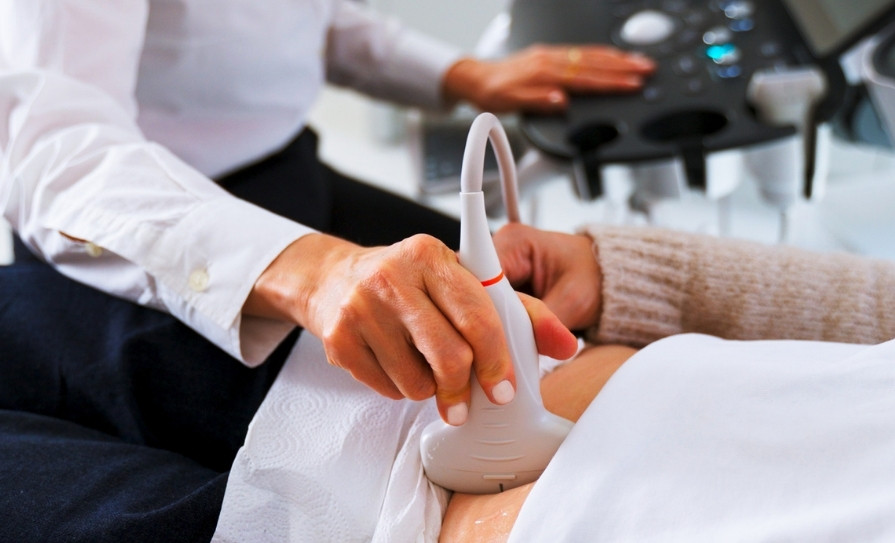
Mr Janjigian delivered a fascinating talk on the benefits of bedside ultrasound in oncology.
He described point-of-care ultrasound as “a goal-directed ultrasound examination performed by a healthcare provider to answer a specific diagnostic question or guide performance of an invasive procedure at the bedside”.
He presented evidence to illustrate the value of point-of-care ultrasound in a number of conditions and investigations. Mr Janjigian also highlighted case studies to show where point-of-care ultrasound exhibited distinct advantages over traditional approaches in the evaluation of left ventricular function, pleural effusion, ascites, deep vein thrombosis, hydronephrosis, bladder function, skin abscess, pericardial effusion, and as an imaging aid in a number of procedures.
“Ultrasound is most powerful when looking for fluid,” he told attendees. “There are a lot of things you can evaluate using ultrasound, but the presence or absence of fluid is really the easiest and most definitive way to use it.”
Point-of-care ultrasound is also helpful in detecting a soft tissue mass, for example, and appropriately trained personnel can use it at the patient’s bedside.
“Point-of-care ultrasound can also be used in emergency departments to look for abdominal issues,” Mr Janjigian said, and evidence shows that it is popular with patients, not least for its convenience.
“A lot of the medical organisations are supportive of it,” he told the conference. “In general medicine and cardiology, for example. It’s not among the recommendations in oncology yet, but there is a lot of potential there.”
Mr Janjigian explained that with training in point-of-care ultrasound, credentialing is taken very seriously and users are offered ample support in terms of training and educational events.