Reference: November 2025 | Issue 11 | Vol 11 | Page 36
Sleep apnoea, particularly obstructive sleep apnoea (OSA), is a common yet underdiagnosed condition in individuals with diabetes. Characterised by repeated episodes of upper airway obstruction during sleep, OSA causes intermittent hypoxia and interrupted sleep, further contributing to poor metabolic control. The bidirectional relationship between sleep apnoea and diabetes is becoming better understood, with significant implications for patient care and long-term outcomes.
Pathophysiological link
The repeated drops in oxygen saturation in OSA trigger sympathetic nervous system activation, systemic inflammation, and cortisol release – factors that promote insulin resistance and impair glucose metabolism.1,2 This sequence worsens glycaemic control in people with type 2 diabetes and increases glycaemic variability in those with type 1 diabetes. In type 1, OSA is also associated with autonomic neuropathy and an increased risk of nocturnal hypoglycaemia.3
Why is sleep apnoea more common in type 2 diabetes?
A bidirectional relationship has been observed between sleep apnoea and type 2 diabetes, with each condition aggravating the other, particularly when undiagnosed or untreated.
The hypoxia, and subsequent sympathetic activation, inflammation, and insulin resistance, can be profound, disrupting glucose metabolism to the extent that OSA is now associated with the onset and progression of type 2 diabetes.
Obesity, a well-recognised comorbidity of type 2 diabetes, further increases the risk of OSA. Fat deposits around the neck narrow the airway, while abdominal fat places pressure on the chest wall – both of which affect breathing during sleep.
Shared risk factors
OSA and diabetes share several overlapping risk factors, including:
- Central obesity
- Hypertension and dyslipidaemia
- Sedentary lifestyle
- Increasing age
- Postmenopausal status in women
- Autonomic dysfunction in type 1 diabetes.
Healthcare providers should be alert to the possibility of OSA in diabetic patients who present or report with symptoms such as loud snoring, persistent fatigue, or disrupted sleep.
Screening recommendations
People with diabetes – especially those who are overweight or hypertensive – should be screened for OSA using tools such as the STOP-BANG Questionnaire or Epworth Sleepiness Scale.
Indicators include:
- Loud snoring
- Excessive daytime tiredness
- Morning headaches
- Witnessed apnoea events
- High neck circumference or body mass index (BMI) >35.
Those with high-risk scores should be referred for overnight oximetry or polysomnography through a sleep clinic or respiratory team.
Clinical consequences
Unrecognised and untreated OSA can lead to:
- Elevated HbA1c and insulin resistance
- Impaired diabetes self-management due to fatigue and cognitive dysfunction
- Increased cardiovascular risk (hypertension, stroke, arrhythmias, myocardial infarction)
- Poor quality of life.
The combination of OSA and diabetes is associated with a further increased risk of cardiovascular morbidity and all-cause mortality.2,4
Making every contact count
Education remains a cornerstone of integrated care. Despite the well-documented bidirectional relationship between type 2 diabetes and OSA, awareness among patients, and sometimes clinicians, is limited.
OSA offers a unique ‘teachable moment’ within the clinical encounter, where education can support individuals to appreciate the impact of fragmented sleep and nocturnal hypoxia on glycaemic variability, insulin resistance, and cardiovascular risk. Early recognition of hallmark symptoms such as loud snoring, excessive daytime fatigue, and morning headaches provides an opportunity for timely referral, diagnosis, and intervention.
This approach is closely aligned with the ‘Make every contact count’ (MECC)8,9 initiative, which emphasises the value of routine clinical interactions as opportunities to influence health behaviours. Embedding OSA screening and education into diabetes care pathways therefore supports dual benefits: Optimising metabolic outcomes and easing the broader cardiometabolic burden.
The ‘Every move counts’ campaign reinforces the importance of reducing sedentary behaviour and recognising that ‘all movement matters’ – whether through structured exercise or everyday activities such as walking, gardening, or household chores.11
While the campaign does not specify exact figures, international evidence indicates that achieving at least 150 minutes of moderate-intensity physical activity per week is associated with significant improvements in insulin sensitivity, glycaemic control, and weight management.
In Ireland, however, the Healthy Ireland Survey 2024 found that only 41 per cent of adults meet these recommended activity levels, while the average adult spends over five hours per day sitting.11 For individuals with type 2 diabetes and OSA, promoting even small, achievable increases in activity has the dual benefit of improving metabolic health and reducing OSA severity.
Embedding these messages within routine diabetes and sleep care empowers patients to adopt sustainable lifestyle changes that improve outcomes across both conditions.
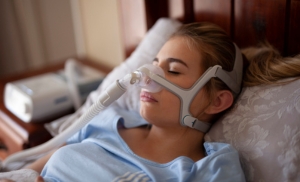
CPAP therapy: Clinical impact
Continuous positive airway pressure (CPAP) therapy is the mainstay treatment for moderate to severe OSA. It improves oxygenation during sleep and reduces apnoea episodes, with several metabolic and cardiovascular benefits:
- Improved insulin sensitivity and glycaemic control (particularly in adherent users)
- Reduction in blood pressure
- Improved daytime alertness and energy
- Better engagement with lifestyle modification and diabetes self-care.5
GLP-1 receptor agonists: Dual impact on metabolic health and sleep apnoea
New therapies such as semaglutide and tirzepatide have significantly advanced the management of type 2 diabetes and obesity. Glucagon-like peptide (GLP)-1 receptor agonists promote weight loss by delaying gastric emptying and reducing appetite.6
Given that obesity is a key risk factor for OSA, GLP-1 therapies may indirectly improve OSA severity by decreasing body mass and alleviating upper airway obstruction. These agents should be considered as part of a comprehensive strategy for cardio metabolic risk reduction in patients with types 2 diabetes and co existing OSA.7
Practical management of sleep apnoea in diabetes
Optimal diabetes self-management – maintaining glucose within target range, making healthy food choices, staying physically active, and adhering to prescribed medications – forms the cornerstone of care. However, additional targeted strategies can significantly improve outcomes, including:
- Medical interventions: Timely diagnosis and initiation of evidence-based treatment for OSA is essential. CPAP therapy remains the gold standard, with demonstrated benefits for glycaemic control, blood pressure, and cardiovascular outcomes. Adjunctive interventions such as mandibular advancement devices or, in selected cases, bariatric or upper airway surgery may also be appropriate.
- Medication optimisation: In people with type 2 diabetes and OSA, ensuring appropriate glucose-lowering therapy is vital, particularly agents with proven cardiovascular benefit (eg, GLP-1 receptor agonists, sodium-glucose co-transporter-2 (SGLT2) inhibitors). Optimising antihypertensive and lipid-lowering therapies further reduces cardiometabolic risk, and medication adherence should be reinforced at every clinic appointment.
- Lifestyle modification: Lifestyle change is a cornerstone of management for both conditions. Priorities include achieving and sustaining a healthy BMI, promoting regular physical activity, improving sleep hygiene, moderating alcohol consumption, and supporting smoking cessation. Even modest weight reduction has been shown to improve OSA severity and enhance insulin sensitivity, underscoring the shared benefit of integrated interventions.
- Education and awareness: Many individuals remain unaware of the strong bidirectional link between type 2 diabetes and OSA. Structured education creates a ‘teachable moment’ where patients can recognise the impact of poor sleep on glucose control and cardiovascular health. Embedding education within diabetes reviews – aligned with the MECC framework – empowers patients to identify symptoms, engage in screening, and adopt sustainable lifestyle changes that improve both metabolic and sleep outcomes.
Conclusion
Sleep apnoea is a common, but often unrecognised contributor to poor glycaemic control and cardiovascular risk in people with diabetes. Screening for OSA in high-risk individuals, combined with interventions such as CPAP and GLP-1 therapy, can significantly improve clinical outcomes. A holistic, team-based approach, including respiratory, sleep, and diabetes services, is essential to improving quality of life and long-term health in this population.
References
- Reutrakul S, Mokhlesi B. Obstructive sleep apnoea and diabetes: A state-of-the-art review. Chest. 2017;152(5):1070-1086. doi:10.1016/j.chest.2017.05.009.
- Foster GD, Sanders MH, Millman R, et al. Obstructive sleep apnoea among obese patients with type 2 diabetes. Diabetes Care. 2009;32(6):1017-1019. doi:10.2337/dc08-1776
- Kent BD, Grote L, Ryan S, et al. Diabetes mellitus prevalence and control in sleep-disordered breathing: The European Sleep Apnoea Cohort (ESADA) study. Chest. 2014;146(4):982-990. doi:10.1378/chest.13-2403.
- Pamidi S, Tasali E. Obstructive sleep apnoea and type 2 diabetes: Is there a link? Front Neurol. 2012;3:126. doi:10.3389/fneur.2012.00126.
- Aronsohn RS, Whitmore H, Van Cauter E, Tasali E. Impact of untreated obstructive sleep apnoea on glucose control in type 2 diabetes. Am J Respir Crit Care Med. 2010;181(5):507-513. doi:10.1164/rccm.200909-1423OC.
- Wilding JP, Batterham RL, Calanna S, et al. Once-weekly semaglutide in adults with overweight or obesity. N Engl J Med. 2021;384(11):989-1002. doi:10.1056/NEJMoa2032183.
- Blackman A, Foster GD, Zammit G, et al. Effects of weight loss on obstructive sleep apnoea severity. Ten-year results of the Sleep AHEAD Study. Am J Respir Crit Care Med. 2021;203(2):221-229. doi:10.1164/rccm.201912-2511OC.
- American Diabetes Association Professional Practice Committee. Diagnosis and classification of diabetes: Standards of care in Diabetes – 2024. Diabetes Care. 2024;47(Suppl 1):S20-S42. doi:10.2337/dc24-S002.
- Health Service Executive. Making every contact count: A health behaviour change framework and implementation plan for health professionals in the Irish Health Service. Dublin: HSE; 2017.
- Health Service Executive. Healthy Ireland Survey 2024: Summary Report. Dublin: Department of Health; 2024. Available at: www.drugsandalcohol.ie/42364/.
- Department of Health. Every Move Counts: National Physical Activity and Sedentary Behaviour Guidelines for Ireland. Dublin: DoH; 2021. Available at: www.gov.ie/en/healthy-ireland/publications/every-move-counts-national-physical-activity-and-sedentary-behaviour-guidelines-for-ireland/.
- Healthy Ireland Survey 2024. Government of Ireland. Available at: www.gov.ie/en/healthy-ireland/publications/healthy-ireland-survey-2024/.