Clinical Podcast
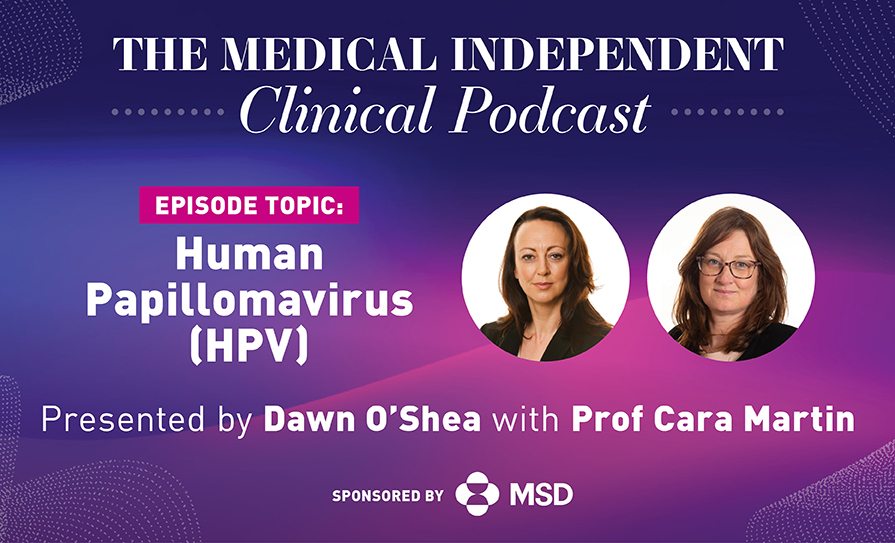
E07 | Clinical Podcast – HPV with Prof Cara Martin
21st Jan 2026 |
Since the recording of this podcast, the latest HPSC data for the 2023/24 school year has been published and reports national HPV programme uptake at 74.9%, down from the 80% VCR previously mentioned during the discussion. To view the latest statistics and more information, visit the link here: https://www.hpsc.ie/a-z/vaccinepreventable/vaccination/
Welcome to The Medical Independent Clinical Podcast Series, where we chat to experts to empower healthcare professionals with the most up-to-date guidance on the diagnosis, prevention, and management of common conditions.
In this episode, host Dawn O’Shea is joined by Prof Cara Martin, Associate Professor in Molecular Pathology, Tumour Biology and Cancer Screening at Trinity College Dublin, to take an in-depth look at human papillomavirus (HPV) and its clinical implications.
Prof Martin explores the evolving understanding of HPV, its role in cancer development, and the major advances in vaccination and screening that are transforming cancer prevention in Ireland and internationally. The discussion highlights where we are now, what clinicians need to know, and how collective action can help move towards cancer elimination.
5 Interesting Takeaways:
- HPV Is Extremely Common but Usually Transient:
Up to 80–90% of people will acquire HPV at some point in their lives, with most infections clearing naturally within 12–15 months without causing symptoms or disease.
- HPV Causes Multiple Cancers in Both Women and Men:
While cervical cancer is the most recognised HPV-related malignancy, HPV is also responsible for anal, oropharyngeal, penile, vulval, and vaginal cancers—over 30% of HPV-associated cancers in Ireland occur in men.
- Vaccination Is Driving Cancer Elimination:
Countries with early HPV vaccine uptake are reporting near-elimination of cervical cancer. In Ireland, early data already show significant reductions in pre-cancerous cervical disease among vaccinated cohorts.
- HPV-Positive Cancers Have Better Outcomes:
HPV-driven cancers tend to respond better to radiotherapy and chemotherapy and have a more favourable prognosis compared with HPV-negative cancers, which are often linked to smoking and alcohol exposure.
- Clinicians Play a Key Role in Prevention:
Trusted conversations with patients about HPV vaccination and screening remain one of the most effective ways to combat misinformation, reduce vaccine hesitancy, and improve uptake—particularly among boys and high-risk groups.
This episode provides essential clinical context, practical insights, and a clear public health message: HPV-related cancers are largely preventable, and continued engagement with vaccination and screening programmes is critical to reducing cancer burden.